
Diving in South Africa
Why dive here
South Africa offers rich diving, with 728+ marine species recorded in its waters - including barracuda, blacktip reef sharks, blue sharks, blue-spotted stingrays and blue whales. Water sits around 25°C.
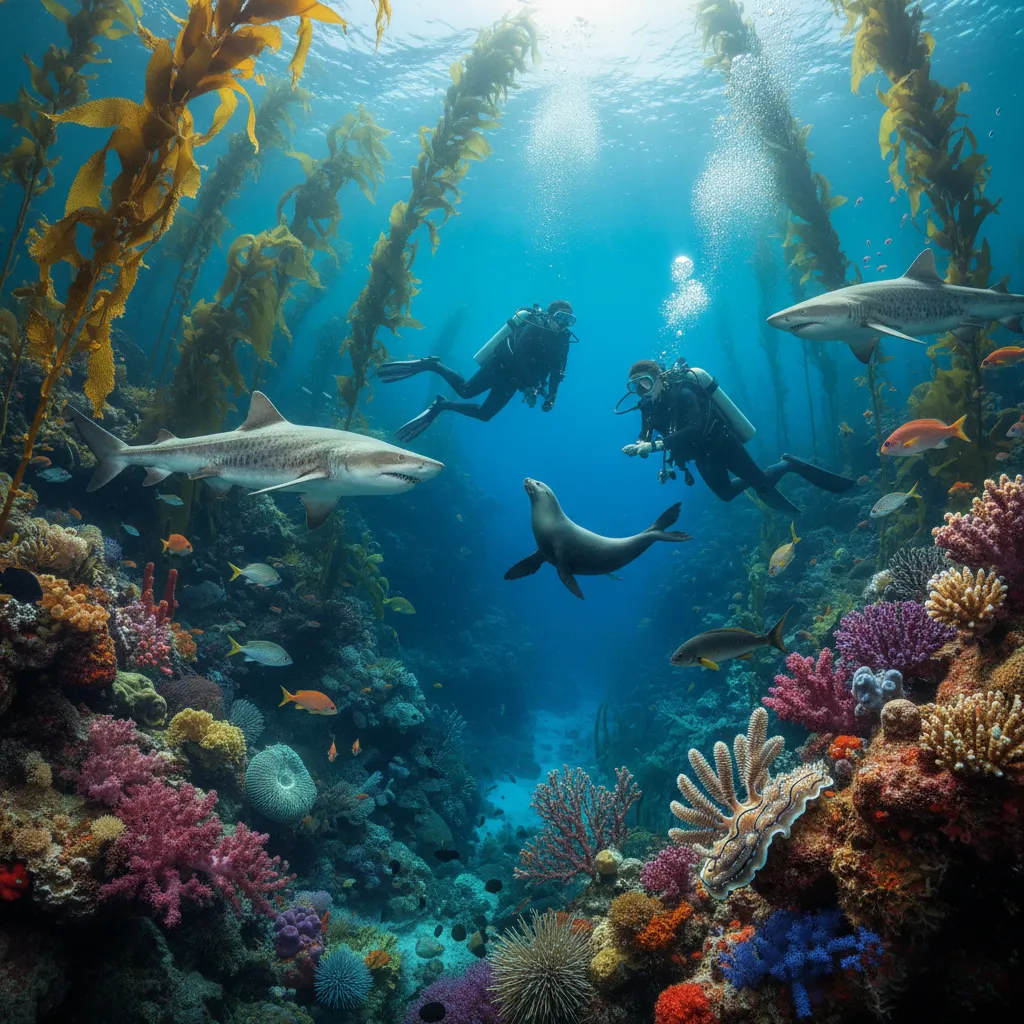
South Africa isn’t your typical warm-water reef destination, and that’s precisely why we love it. This is big animal territory, where the ocean feels raw and alive, pulling divers in with the sheer force of its wildness. You’ve got two main plays here: the chilly, kelp-strewn waters of the Western Cape for those iconic seven-gill cow sharks and seal colonies, or the warmer Indian Ocean currents off KwaZulu-Natal for serious shark action. If you’re coming for the big stuff, the Aliwal Shoal and Protea Banks are where you’ll spend your time, delivering regular encounters with tiger sharks, bull sharks, and hammerheads. And then there’s the Sardine Run, an absolute sensory overload that every diver should try to witness at least once - though be ready for unpredictable conditions and early mornings. We’d suggest aiming for their winter months, roughly June to October, for the best chances with the migratory species. Just be prepared for strong currents and variable visibility; this isn't a place for the faint of heart, but it absolutely delivers.
South Africa Dive Regions Map
South Africa Dive Regions
3 diving areas in South Africa
Cape Town & Western Cape
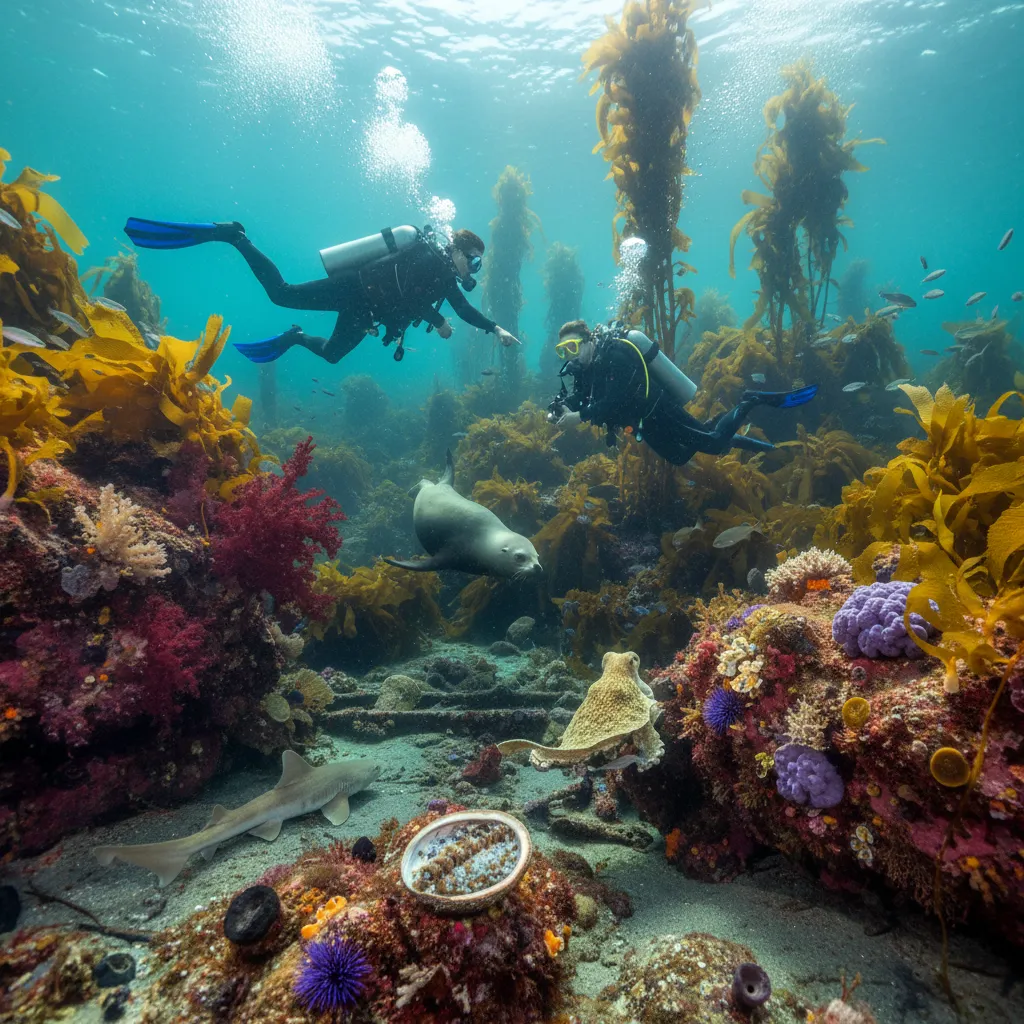
The diving around Cape Town is a different beast entirely. We’re talking proper cold water, usually around 10-14°C, so bring your drysuit or a thick wetsuit. But embrace the chill, because what you get in return is phenomenal: towering kelp forests, playful Cape fur seals, and some serious pelagic action. This isn’t your typical tropical reef experience, it’s raw, wild, and utterly captivating. We love the energy of a kelp forest dive, the way the light filters through the canopy, illuminating schools of hottentot and strepies. Our favourite has to be Partridge Point, especially if you can get in with the seals - they’re endlessly curious, nipping at fins and swirling around you like underwater puppies. Visibility can be a bit variable, often 5-15 metres, but when it’s good, it's magical. Keep an eye out for the shy pyjama sharks tucked away in crevices, or the occasional broadnose sevengill shark cruising by. For the wreck enthusiasts, there are plenty of options, from the relatively shallow SAS Pietermaritzburg to deeper, more challenging sites. The ocean here feels alive, full of powerful currents and dramatic topography, from pinnacles to walls that drop into the inky deep. It’s definitely a spot for the adventurous, and we think it rewards that bravery tenfold.
KwaZulu-Natal
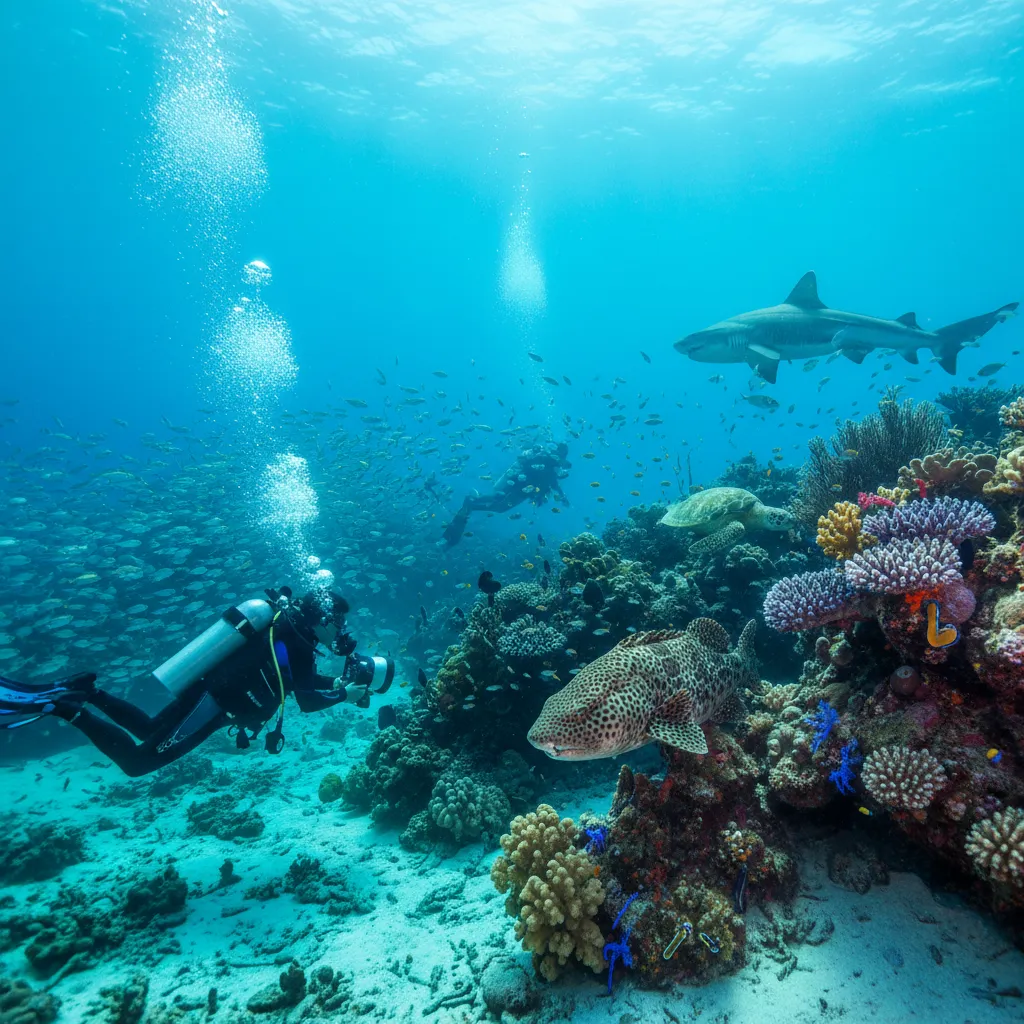
KwaZulu-Natal is where the Indian Ocean really flexes its muscles on South Africa's subtropical east coast. We love it for its raw energy, especially when the Sardine Run kicks off - that chaotic, beautiful frenzy is something else, but it’s not for the faint of heart. Beyond the baitball action, Aliwal Shoal is our favourite, a true magnet for serious shark encounters. Diving here means you’ll often be tackling drift dives, getting swept along with the current past ragged pinnacles and dramatic wall drops. You’ll frequently spot grey nurse sharks cruising through the gullies, their toothy grins surprisingly placid, or watch schools of tuna flash by like silver missiles. We’d suggest timing your trip for late winter if the Sardine Run is your goal, but even outside of that, the consistent flow of the Agulhas Current keeps the bigger pelagics moving through year-round. Expect strong currents and dynamic conditions; this isn't a place for gentle bobbing. It’s a proper, adrenaline-pumping dive every time you get in.
Sodwana Bay
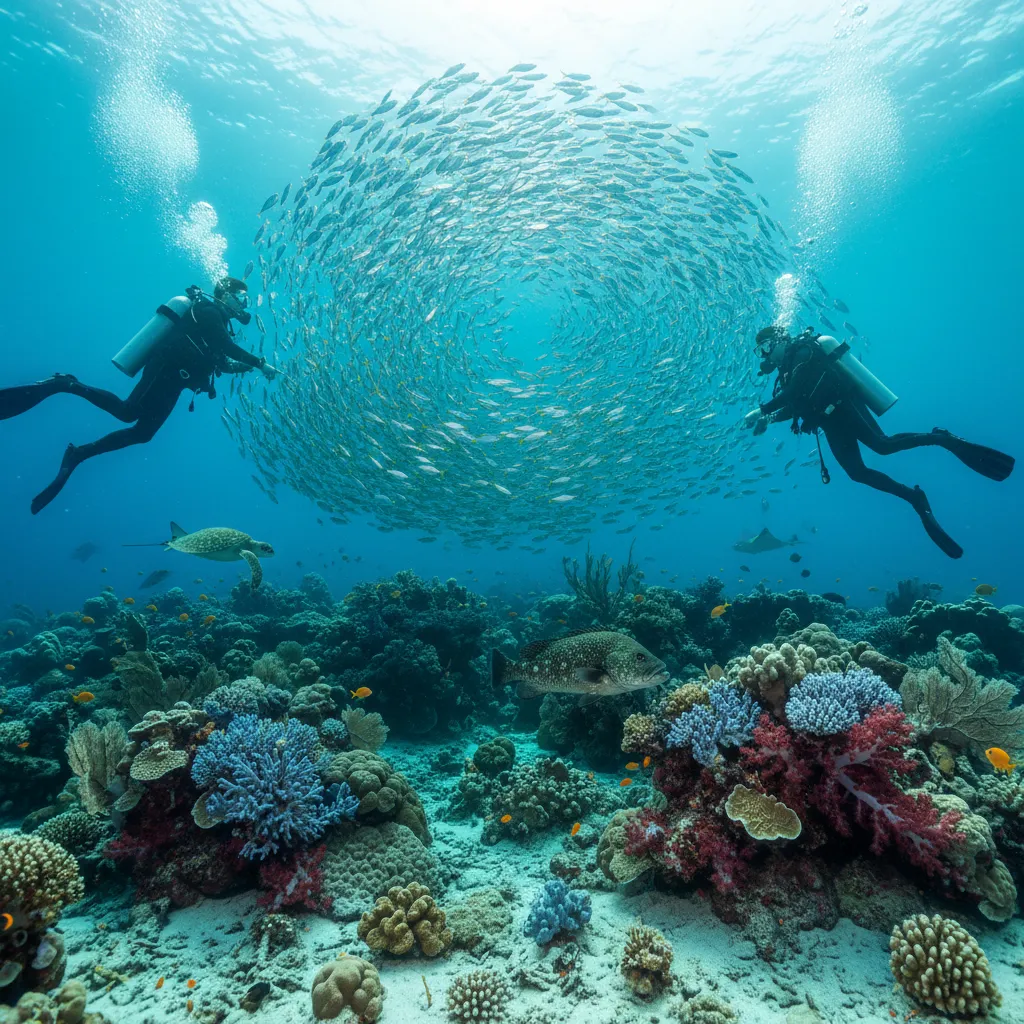
Sodwana Bay is a standout, no question. We’ve logged countless dives here and it always delivers something new. Think subtropical reef diving, proper Indian Ocean stuff, inside a UNESCO World Heritage site, the iSimangaliso Wetland Park. You get deep pinnacles, surprising caves, and some genuinely healthy reefs, all reachable via bouncy RIB rides from the beach. What makes Sodwana special? The sheer volume of fish. It’s not just big stuff, though you get your share of sharks and emperor fish. It’s the constant schooling activity - fusiliers, trevallies, even those quirky Popeye Lanternfish on a night dive if you know where to look. The reefs themselves are full of intricate details, like tiny Bandcheek wrasse flitting between anemones and surprisingly robust corals, some of them ancient. Conditions can vary. In summer, we often see visibility pushing 20 metres or more, and the water is bath-warm. Winter brings slightly cooler water but often calmer seas, and sometimes, the visibility is just phenomenal. Currents can pick up, particularly on the deeper sites like Nine-Mile, so we always brief thoroughly. Our favourite sites are usually Stringer and Ribbon, especially early morning before the crowds. Definitely worth the drive, a proper South African dive adventure.
Ocean Wildlife in South Africa
728 species recorded in South Africa
South Africa Visa Requirements
Check if you need a visa to dive in South Africa
Plan & book
Ways to dive South Africa, from day trips to liveaboards.
Day trips & courses
via GetYourGuideGuided dives, courses and snorkel trips with instant booking.
Find dive trips in South AfricaPlaces to stay
via Booking.comHotels and dive resorts near South Africa.
Search stays in South AfricaDive insurance
Most travel insurance excludes or limits scuba. Check what you need before you go.
Dive insurance explainedPartner links: we may earn a commission if you book, at no extra cost to you. How we make money