
Diving in Tanzania
Why dive here
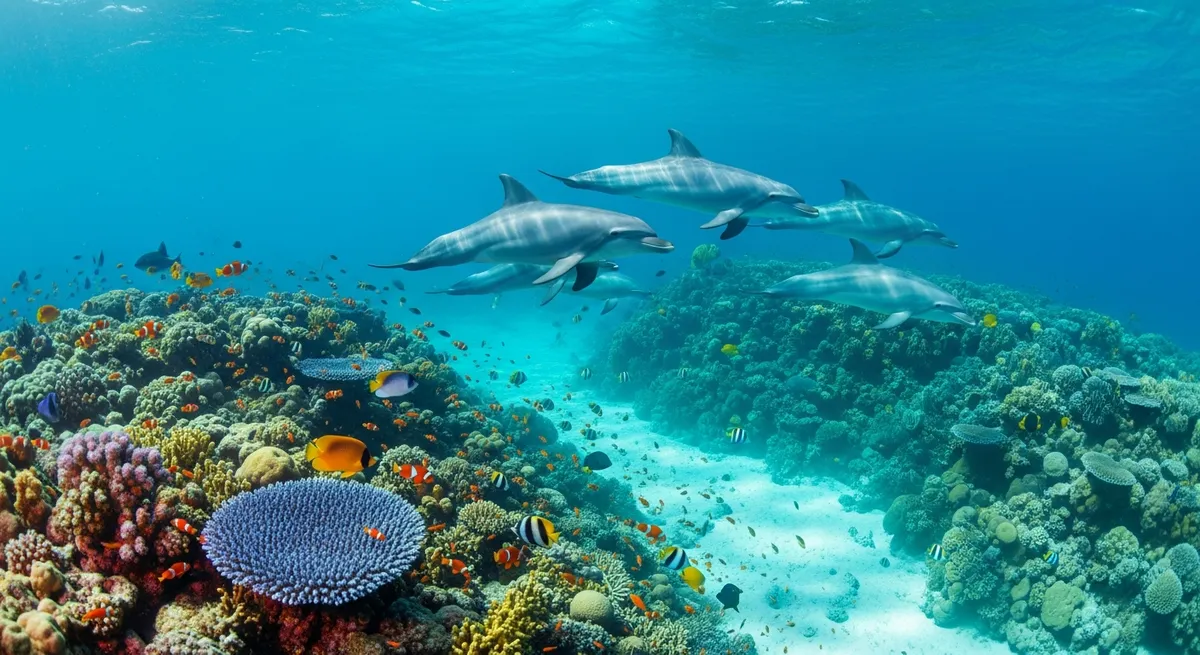
Tanzania offers rich diving, with 431+ marine species recorded in its waters - including barracuda, blue-spotted stingrays, dolphins, eagle rays and hammerhead sharks. Water ranges 28-29°C, warmest February, March, April.
Tanzania offers a truly unique slice of Indian Ocean diving, especially if you’re looking for a slower pace and fewer crowds. We love how remote some of these sites feel, particularly around Mafia Island, where the seasonal whale shark aggregations are something else entirely - swimming alongside those gentle giants is a humbling experience. Zanzibar and Pemba deliver on classic reef diving with plenty of wrasse and parrotfish, but for sheer unspoiled feeling, head south to Kilwa. Visibility holds up well for most of the dry season, June to October, making it ideal for exploring the healthy cauliflower coral formations. It’s not about ticking off a list here; it’s about absorbing the quiet beauty of a less-trodden dive path.
Tanzania Dive Regions Map
Tanzania Dive Regions
5 diving areas in Tanzania
Dar es Salaam & Offshore Islands
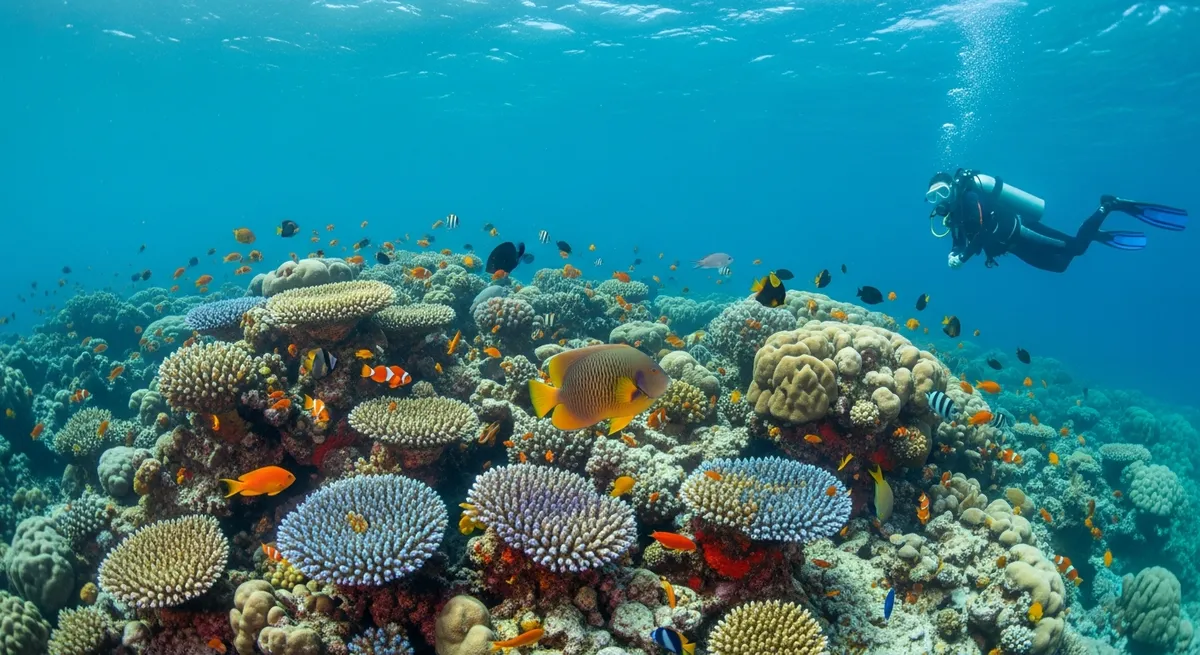
Dar es Salaam isn't the first place that springs to mind for Tanzanian diving, with Zanzibar hogging much of the spotlight. But venture out to the offshore islands, particularly those within the marine reserves, and you’ll find some genuinely charming spots. We love the feeling of slipping into a calm blue and watching schools of fusiliers drift by, sometimes so dense they really block the light. The reefs around Bongoyo and Mbudya are our favourites; they're not dramatic walls, but gentle slopes and patches, full of vibrant coral growth and a good variety of reef fish. You'll often spot flowery flounders camouflaged perfectly on the sand, or a banded toby poking around the coral heads. We’ve had lovely drift dives here too, just letting the current carry us past the seagrass beds where you might spot a Pacific cornetfish hovering. Visibility can vary, but on a good day, it’s a serene place to spend an afternoon underwater. Go early in the morning for the calmest conditions and fewer boats.
Kilwa & Southern Coast
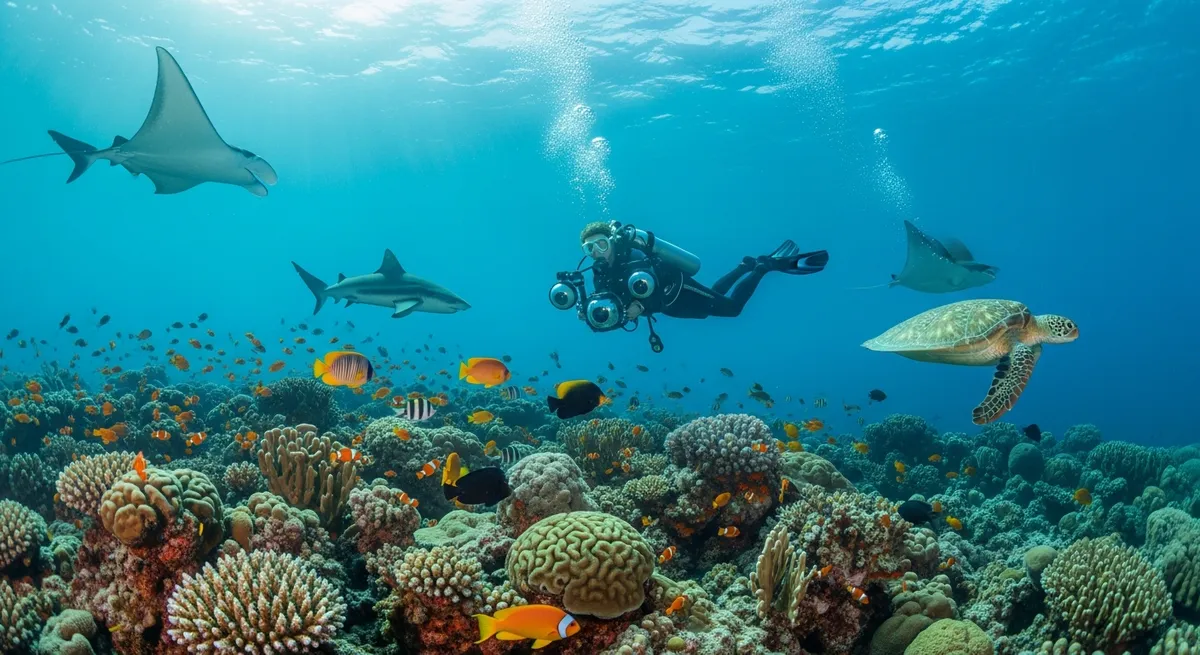
Remote and virtually unexplored diving along Tanzania's southern coastline with pristine reefs and the historic Kilwa Kisiwani ruins nearby.
Mafia Island
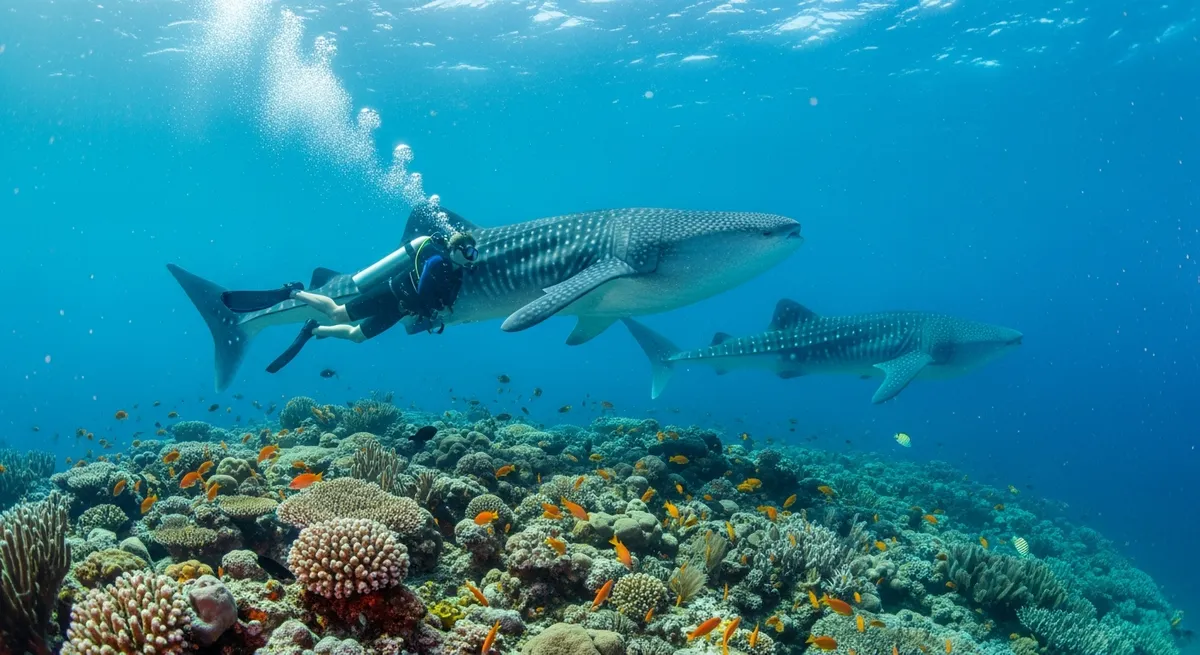
Mafia Island, often overlooked for its flashier neighbours, holds a quiet charm for divers who appreciate uncrowded reefs. The diving here is wonderfully varied, from gentle coral gardens that we love to explore with newer divers, to exhilarating drift dives along walls peppered with unusual stony corals. Our favourite sites often involve following the current past whip corals and gorgonians, keeping an eye out for those tricky-to-spot black rock pipefish - they’re masters of disguise. What really sets Mafia apart, though, is the feeling of discovery. With only a handful of dive centres, you rarely share a site, and the reefs within the Marine Park feel genuinely healthy. We’ve had some incredible moments drifting alongside schools of bullet mackerel, and if you're there between October and March, the chance to snorkel with whale sharks is a real draw. While not strictly a dive, it’s an experience that’s hard to beat. Just be ready for varying visibility depending on the plankton blooms, especially during whale shark season.
Tanga & Usambara Coast
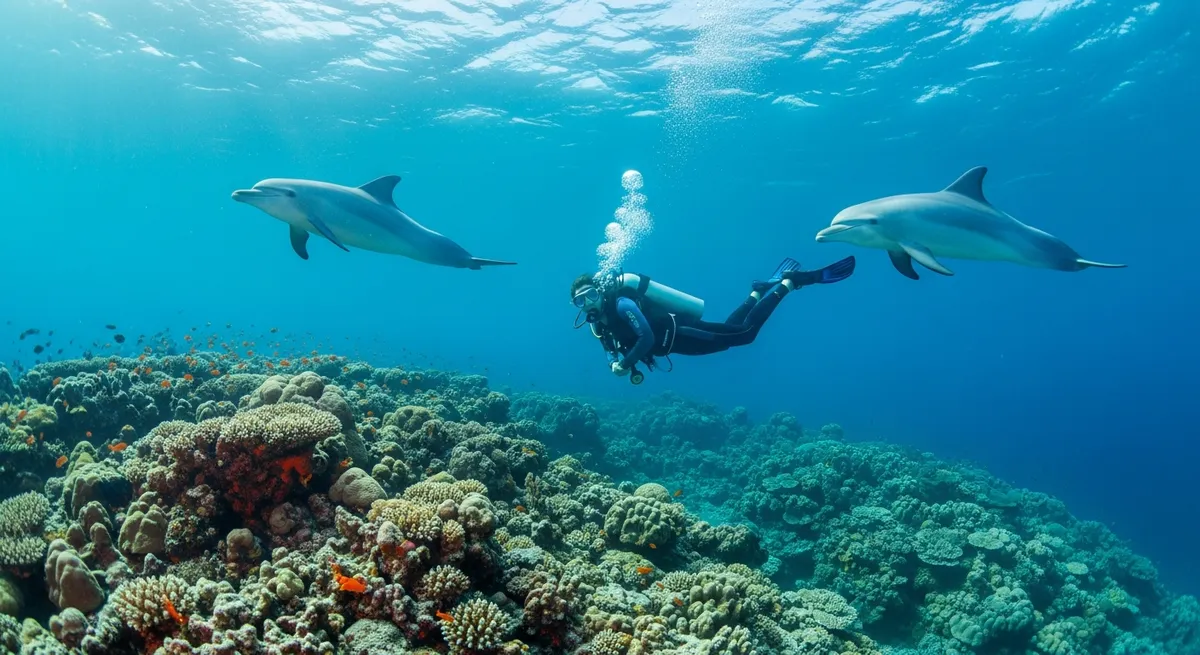
Northern Tanzania's emerging dive area near the Kenyan border with healthy reefs, Pangani's historic coast, and whale shark sightings.
Zanzibar & Pemba
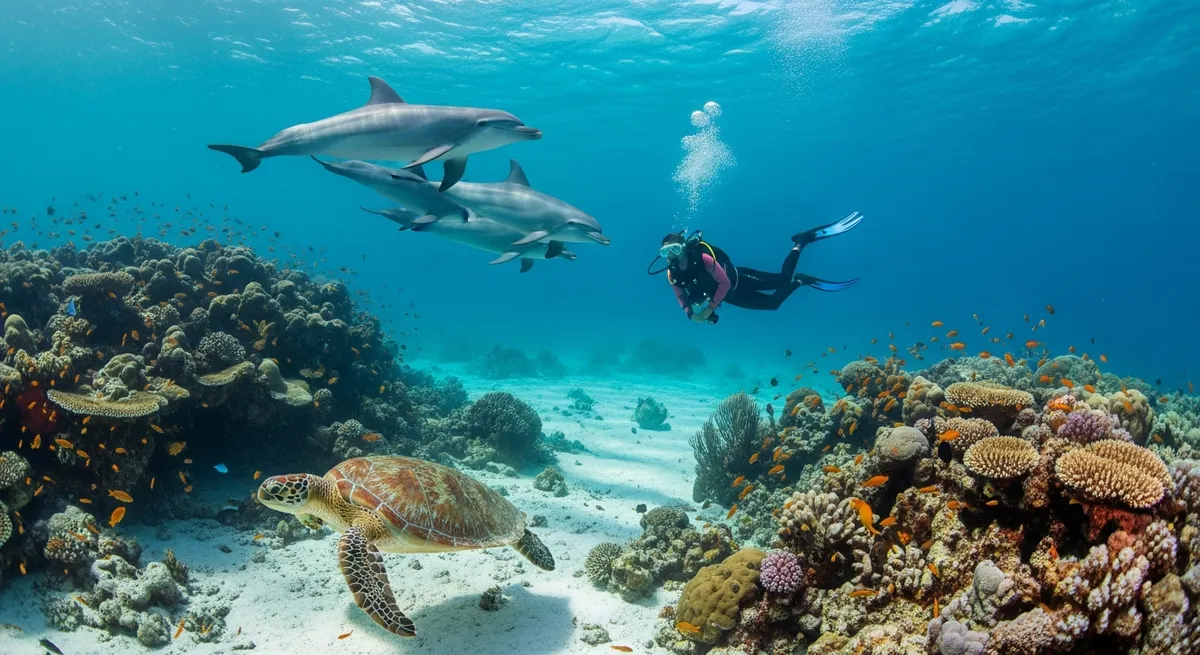
Zanzibar and Pemba offer a real split personality when it comes to diving, and we love them both for different reasons. Off Zanzibar, Mnemba Atoll is our go-to for that classic Indian Ocean feel. We’re talking drift dives over reefs thick with fusiliers, the sun dappling through schools of surgeonfish, and almost guaranteed encounters with green sea turtles munching on seagrass. You’ll often spot bottlenose dolphins cruising the shallows here, too. Pemba, though, that’s where things get interesting for more experienced divers. The currents can be serious, but they bring in the goods. Think dramatic walls dropping hundreds of metres into the blue, where you’ll hang in the current watching trevally hunt and look out for bigger pelagics. The corals here are in exceptional shape, less visited than Zanzibar, with huge gorgonian fans and barrel sponges. Visibility in Pemba can be astounding, sometimes 30 metres plus, making those deep wall dives even more spectacular. We’d suggest focusing on Pemba for a truly raw, wild dive experience, saving Zanzibar for those easier, sun-drenched reef days.
Ocean Wildlife in Tanzania
431 species recorded in Tanzania
Tanzania Visa Requirements
Check if you need a visa to dive in Tanzania
Plan & book
Ways to dive Tanzania, from day trips to liveaboards.
Day trips & courses
via GetYourGuideGuided dives, courses and snorkel trips with instant booking.
Find dive trips in TanzaniaPlaces to stay
via Booking.comHotels and dive resorts near Tanzania.
Search stays in TanzaniaDive insurance
Most travel insurance excludes or limits scuba. Check what you need before you go.
Dive insurance explainedPartner links: we may earn a commission if you book, at no extra cost to you. How we make money