
Diving in Croatia
Why dive here
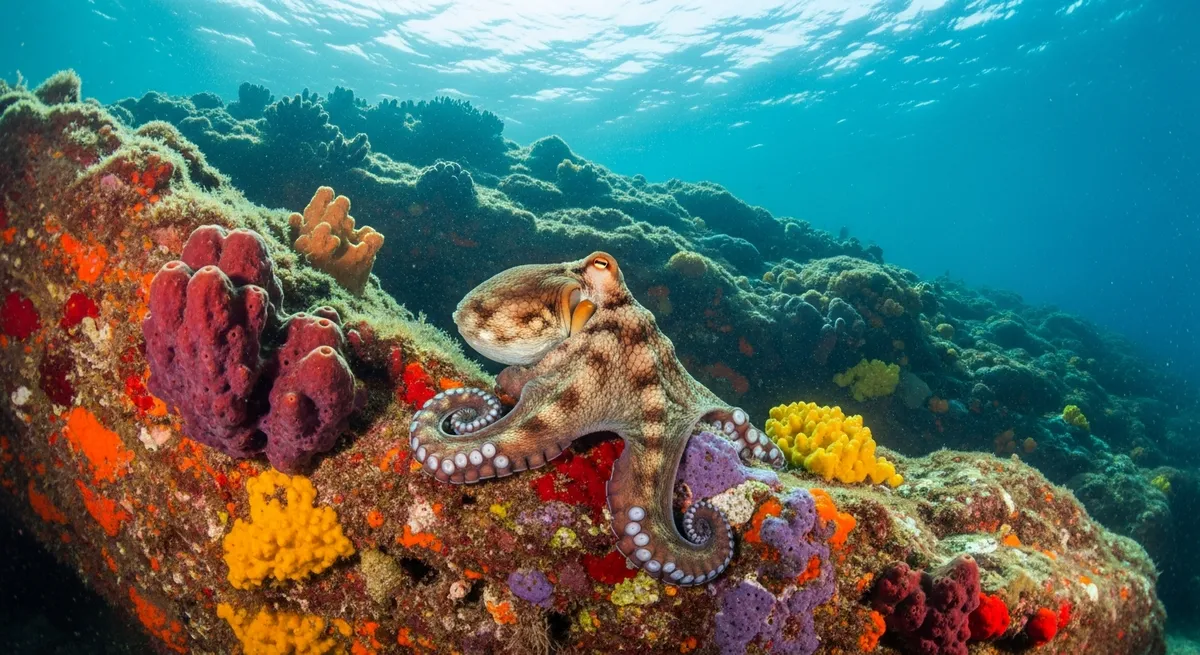
Croatia offers rich diving, with 158+ marine species recorded in its waters - including dolphins, octopuses, sea turtles, sperm whales and cuttlefish. Water ranges 13-26°C, warmest July, August, September.
Croatia isn't your typical tropical dive destination; it's a place we keep coming back to for its sheer geological drama and layers of history. We’re talking about a coastline peppered with caves, dramatic walls, and an impressive collection of wrecks - a truly varied dive profile. For the best of it, head to Vis and Biševo for the caves and deep blue, or the Kornati Islands if you want to lose yourself in unspoiled rock formations. Summer offers the warmest water and best visibility, though spring and autumn can be glorious with fewer crowds. Diving a WWII wreck, then surfacing to an ancient walled city, really sums up the experience here.
Croatia Dive Regions Map
Croatia Dive Regions
6 diving areas in Croatia
Dubrovnik & South Coast
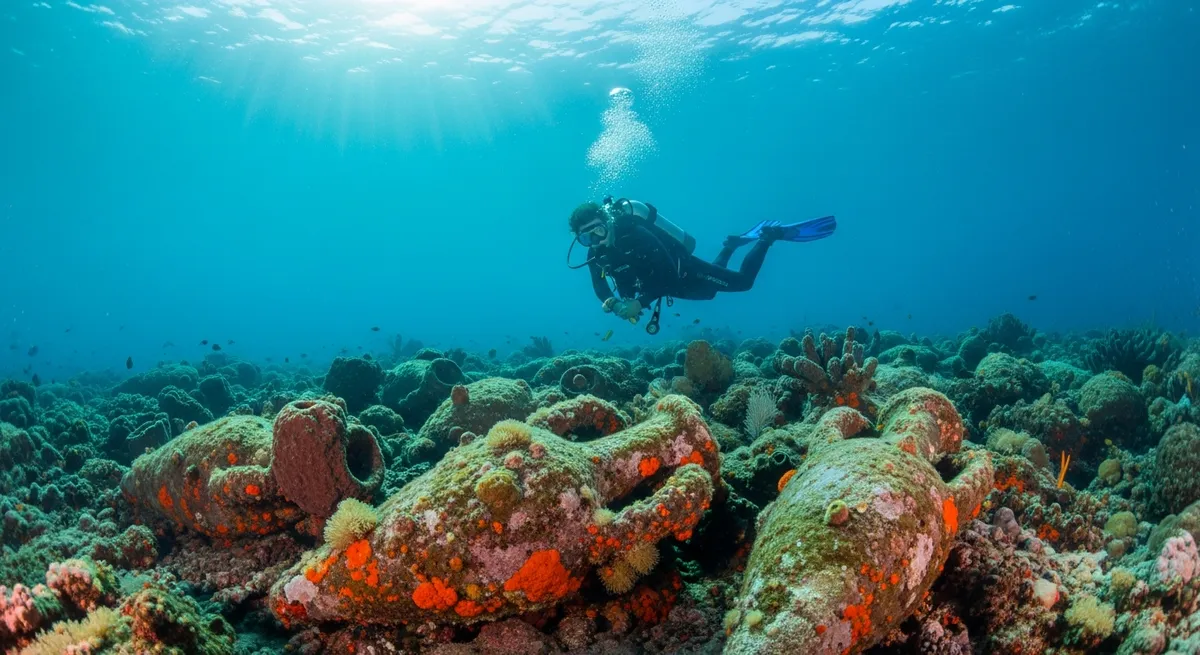
Dubrovnik's South Coast diving is often overshadowed by other parts of Croatia, but we think that’s a mistake. While you won't find the pelagic action of some more remote spots, what you do get here is a compelling mix of history and geology, all within an hour or so of the city. We love dropping into a quiet cave, the light playing on the ancient rock, maybe spotting a shy anglerfish tucked away in a crevice. The wrecks are a real draw, too. We’ve spent many a dive poking around the old patrol boat, imagining the stories it could tell, often finding a conger eel or a painted eel peeking out from a dark corner. Visibility hovers around 20-30 meters in summer, which is perfect for appreciating the sheer drop-offs and the subtle colours of the Mediterranean sponges. Our favourite time to dive here is late September, when the summer crowds thin out and the water is still bathtub warm. You'll often find a brown skate cruising the sandy patches, or maybe a blackspotted smoothhound gliding past a reef wall. The currents are generally mild, making it a good spot for newer divers, but there are enough deeper sections and penetration opportunities to keep experienced divers engaged. We’d suggest focusing on the morning dives; the light is better in the caves, and the boat traffic is lighter.
Istria Peninsula
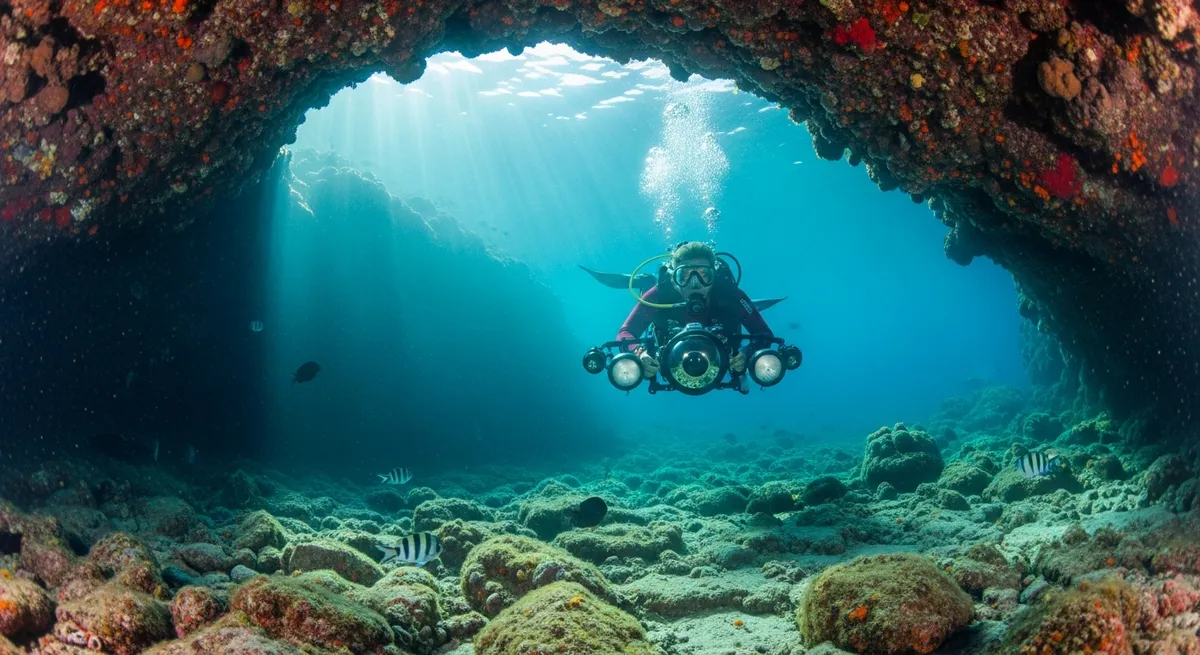
Istria often gets overlooked for Croatia’s southern islands, and that’s a shame. Up here, it’s a different vibe, less about sheer visibility and more about the historical narrative. We’re talking proper Northern Adriatic diving, which means a certain character to the water - sometimes a bit greener, but always alive with history and surprisingly robust ecosystems. Our favourite here has to be the Baron Gautsch. We've spent hours on her, exploring the passenger decks, imagining those final moments. It’s a genuine experience, not just another wreck dive. The deck gun is still there, and you can swim through the main salon, where schools of small fry often hang, almost shimmering in the shafts of light. Nearby, you'll find plenty of colourful Mediterranean reef systems too, full of mullets nosing through the sand and brown combers darting between rocks. Keep an eye out for loggerhead turtles cruising past, especially in late summer. One insider tip: the Baron Gautsch can get busy, so aim for a weekday morning dive if you can. The currents can also pick up, so check conditions. You’ll find a surprising number of dogfish and smoothhounds if you look closely in the murkier, sandy patches. It’s not always about big pelagics here; it's about the intricate details and the stories these sites tell.
Kornati Islands
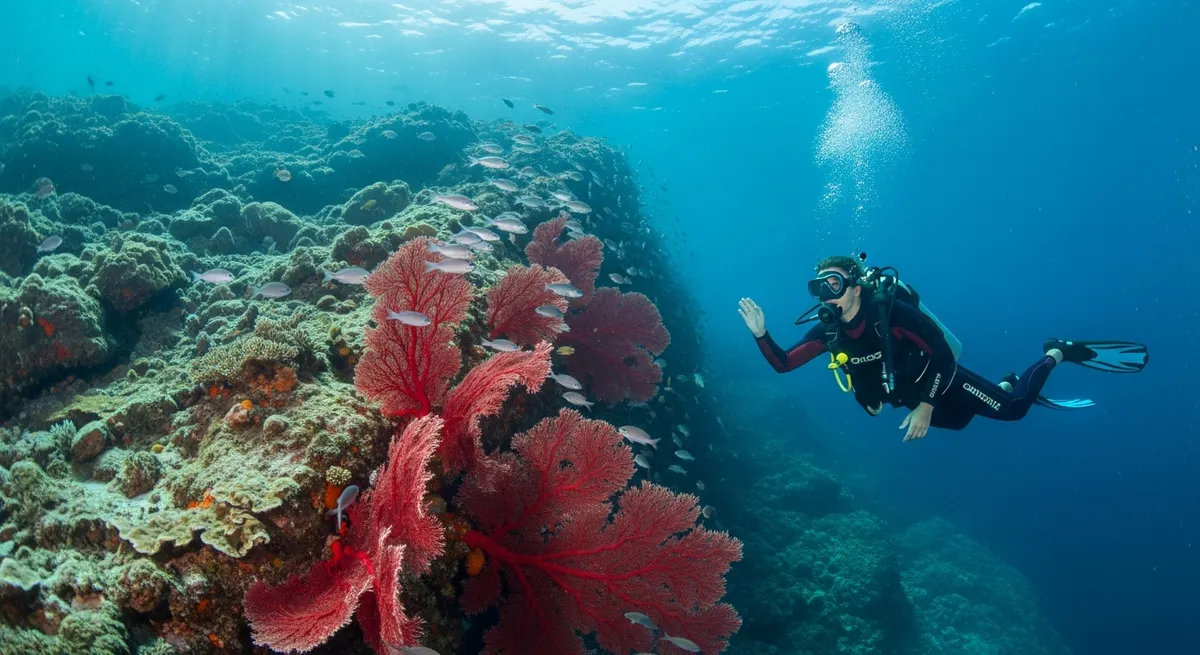
The Kornati Islands in Croatia are a standout for us, mostly because it’s a national park with some seriously dramatic topography. Think sheer underwater cliffs that drop hundreds of metres, cut with caves and overhangs that feel ancient. We love the feeling of flying along these walls, watching schools of Atlantic chub mackerel flash in the blue, occasionally spotting a Norway lobster peeking from a crevice. It’s less about big pelagics and more about the intricate details: the vibrant Sunset cup corals clinging to rock faces, the way Painted combers dart amongst the calcareous green alga. What makes Kornati special is that feeling of raw, untamed Mediterranean drama. Visibility is generally good, and while currents can pick up, they’re usually manageable. We’d suggest focusing on the walls and caves for the full effect - that’s where you’ll really feel the history of this place. Keep an eye out for Grohmann’s scaldfish blending perfectly into the sand, or a smooth hound cruising by. It’s not an everyday kind of dive, and that’s why we rate it.
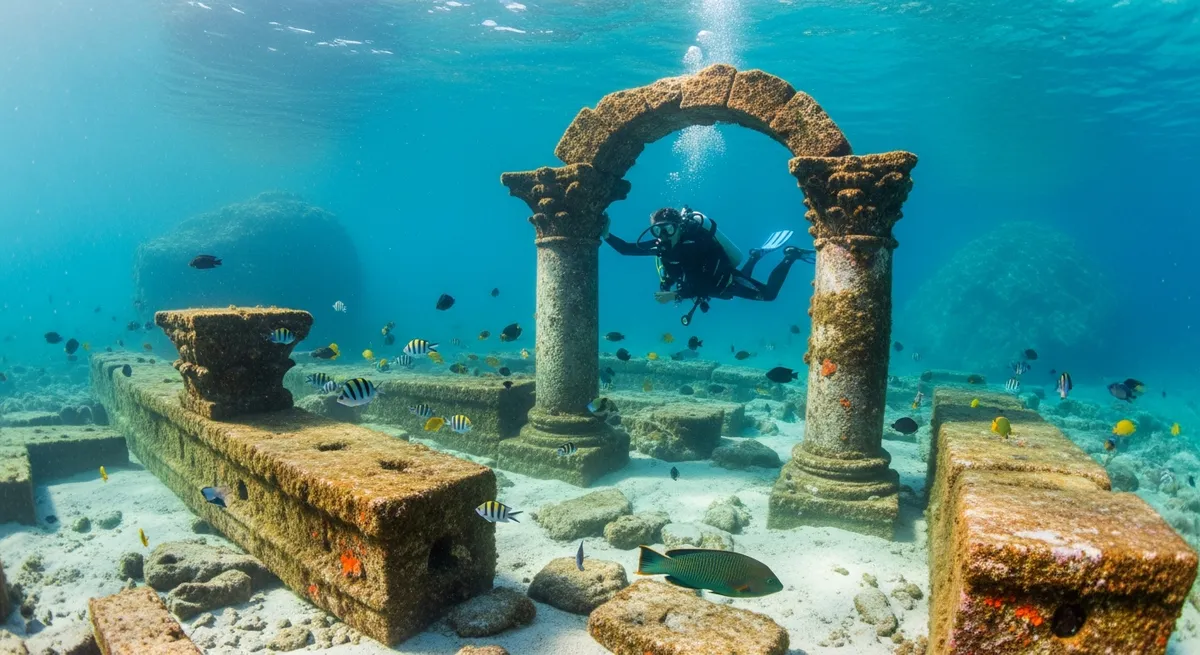
Split & Central Dalmatia
Split and Central Dalmatia really hits the spot if you’re into varied diving. We love the dramatic wall dives, where the Adriatic drops away into the blue, often hiding good-sized conger eels in the cracks. Summer brings decent visibility, around 20 metres, and the water warms up enough for comfortable longer dives. Our favourite has to be the Trogir submarine wreck; it’s a proper piece of history down there and navigating its exterior feels like an honest exploration, especially with schools of salema swirling around it. We'd suggest getting there early to avoid the crowds, which can be a real buzzkill at some of the more popular spots. The caves, particularly around Biševo, are also incredible experiences, the light playing tricks as you move through them. Keep an eye out for the metallic flash of a dory or even a curious common squid darting past. Strong currents can be a factor on some exposed walls, so always check the conditions before you jump. It’s a solid choice for a dive trip that combines history with some genuinely interesting marine life.
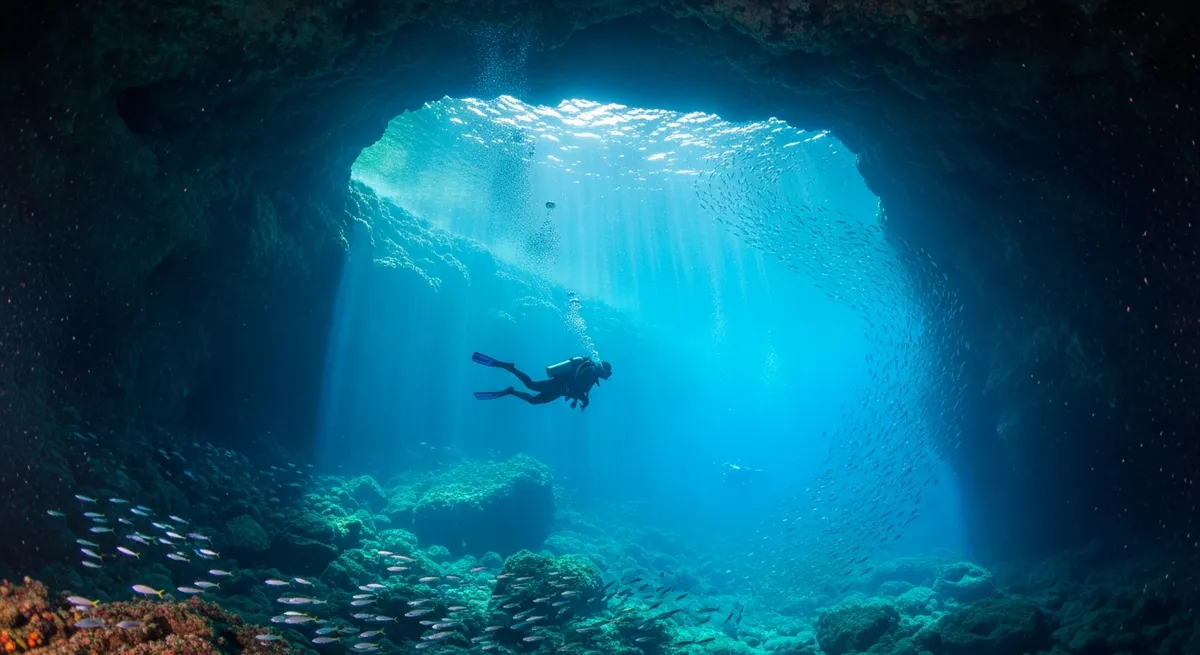
Vis & Biševo
Vis and Biševo offer some of our favourite diving in Croatia, a region we think often gets overlooked for its quality. Forget what you think you know about Mediterranean diving; here, it’s all about dramatic topography and fascinating history. We’re talking about the famous Blue Cave, a surreal experience where sunlight filters through an underwater opening, turning the water an ethereal blue. It’s like swimming in liquid sapphire, absolutely stunning on a sunny morning. But Vis is more than just pretty caves. The B-17 bomber wreck is a standout, an incredibly preserved piece of history resting at 70 meters. It’s an expert dive, but for those with the training, it’s an emotional experience to glide over the fuselage and see the intricate details. For something shallower, the Vassilios cargo ship is a fantastic exploration, with plenty of entry points for light to stream through. Expect to see schools of saddled seabream darting around the wreckage, and if you’re lucky, a ribbonfish or two gliding past on a wall dive. Currents can be present, especially around the exposed pinnacles, so keep an eye on the dive brief. We’d suggest visiting in late spring or early autumn for the best visibility and fewer crowds.
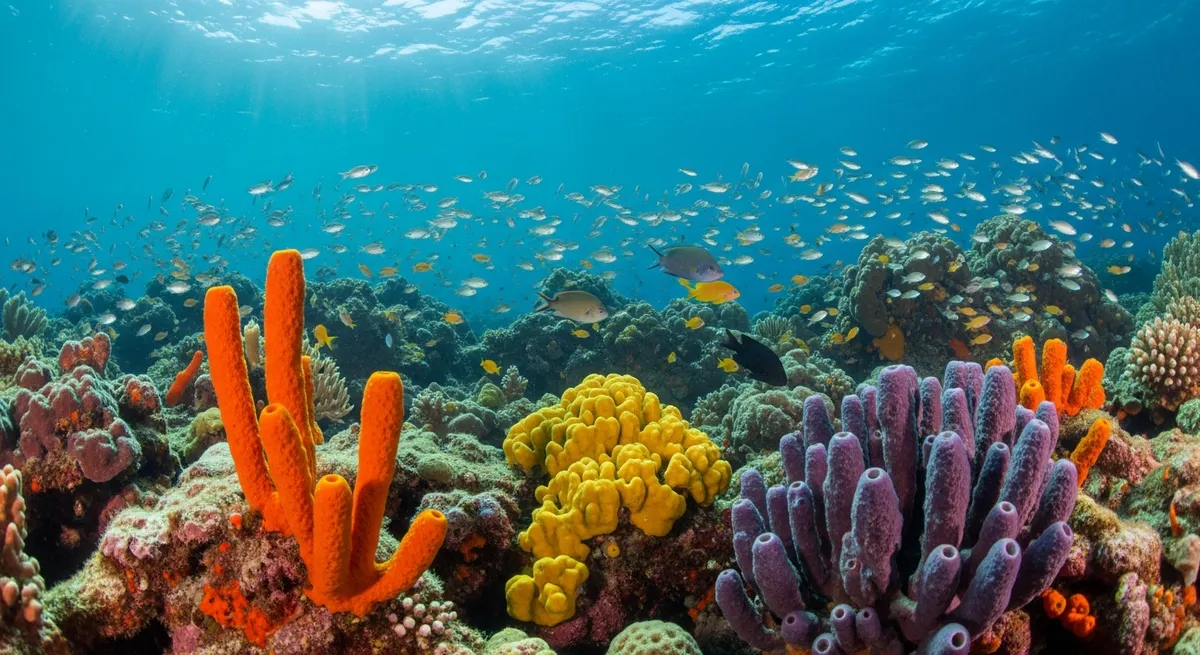
Zadar & Northern Dalmatia
Underwater archaeological sites, Adriatic wrecks, and the Telašćica Nature Park's dramatic cliffs extending below the waterline.
Ocean Wildlife in Croatia
158 species recorded in Croatia
Croatia Visa Requirements
Check if you need a visa to dive in Croatia
Plan & book
Ways to dive Croatia, from day trips to liveaboards.
Day trips & courses
via GetYourGuideGuided dives, courses and snorkel trips with instant booking.
Find dive trips in CroatiaPlaces to stay
via Booking.comHotels and dive resorts near Croatia.
Search stays in CroatiaDive insurance
Most travel insurance excludes or limits scuba. Check what you need before you go.
Dive insurance explainedPartner links: we may earn a commission if you book, at no extra cost to you. How we make money