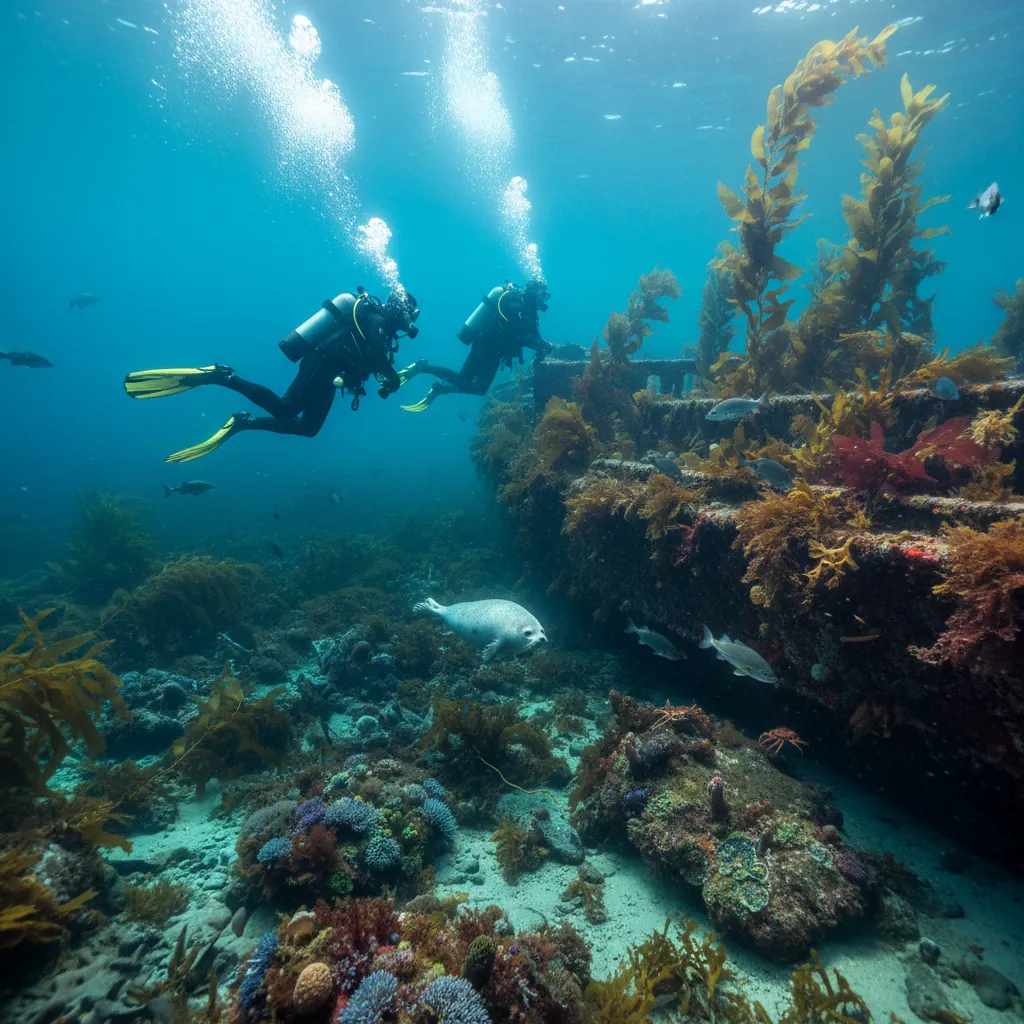

Diving in Ireland
Why dive here
Ireland offers rich diving, with 193+ marine species recorded in its waters - including blue sharks, dolphins, dwarf minke whales, humpback whales and ocean sunfish (mola mola). Water ranges 9-16°C, warmest July, August, September.
Alright, Ireland. Forget your stereotypes of balmy tropics; diving here is a different beast entirely, and we mean that in the best possible way. The Atlantic throws up some seriously dramatic underwater topography, especially along the West Coast where the visibility can actually be surprisingly good - think 20 to 30 meters on a calm summer’s day, letting you properly appreciate those deep walls and gullies. We’ve had incredible encounters with playful grey seals there, often right up in your face, checking you out. Head further south, and you might just stumble upon something truly spectacular like the monstrous Atlantic Bluefin Tuna, or even a basking shark cruising slowly past, filtering plankton. Wreck diving enthusiasts will find plenty to explore too, especially off the East Coast, where history lies scattered on the seabed. It’s not always easy diving; conditions can be challenging, but for those who embrace the chill and the rugged beauty, Ireland delivers a profoundly rewarding experience that feels genuinely wild. We always suggest late spring through early autumn for the most consistent conditions, though even then, prepare for anything.
Ireland Dive Regions Map
Ireland Dive Regions
2 diving areas in Ireland
South Coast
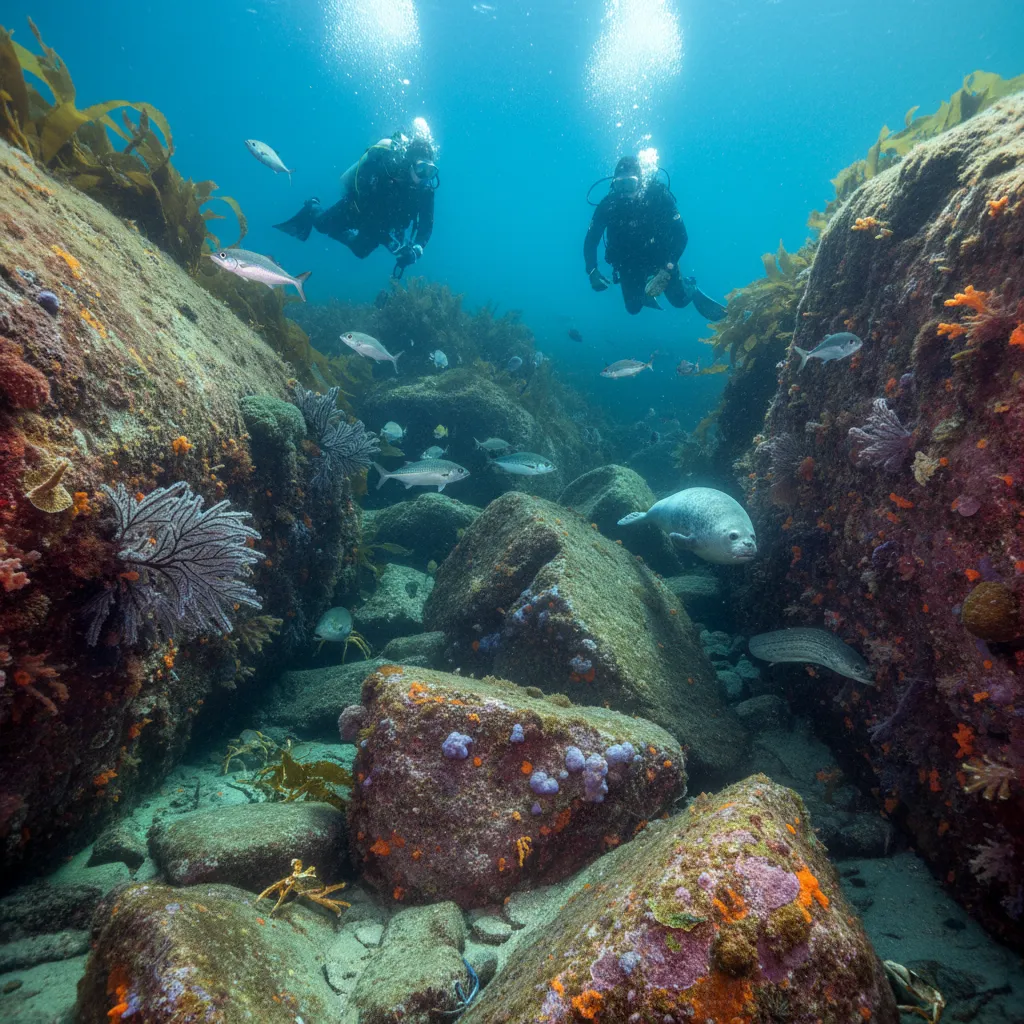
South Coast diving in Ireland isn’t what most people picture when they think about the Emerald Isle. Forget chilly Atlantic currents. Here, a whisper of the Gulf Stream means genuinely warmer waters, making it surprisingly pleasant year-round. We’re talking about conditions that let you linger on those fascinating World War wrecks without turning into an icicle, or explore the intricate rock formations and swim-throughs that dot the coast. What we really love about the South Coast is its sheer variety. You’ve got a massive collection of wrecks, from both World Wars, sitting in remarkably clear conditions. We’ve spent dives navigating through their superstructures, spotting everything from cheeky conger eels to the occasional curious triggerfish peeking out. Then there’s the reef diving, which often gives you a very different vibe - think dramatic walls, some cracking caves, and a surprising amount of muck diving opportunities if you know where to look. We've often come across sea mice trundling along the seabed, and once, during a calm surface interval, we even spotted a Grey Phalarope dancing on the water. Visibility here can often push past 15 metres, especially outside of the peak summer months when the algal blooms can kick in a bit. Our favourite time to dive is definitely late spring or early autumn. The water is still comfortable, but you miss the busier periods and often get the best of the light. Be aware, though, that while the currents aren't usually brutal, they can pick up, so always check the local tide charts.
West Coast
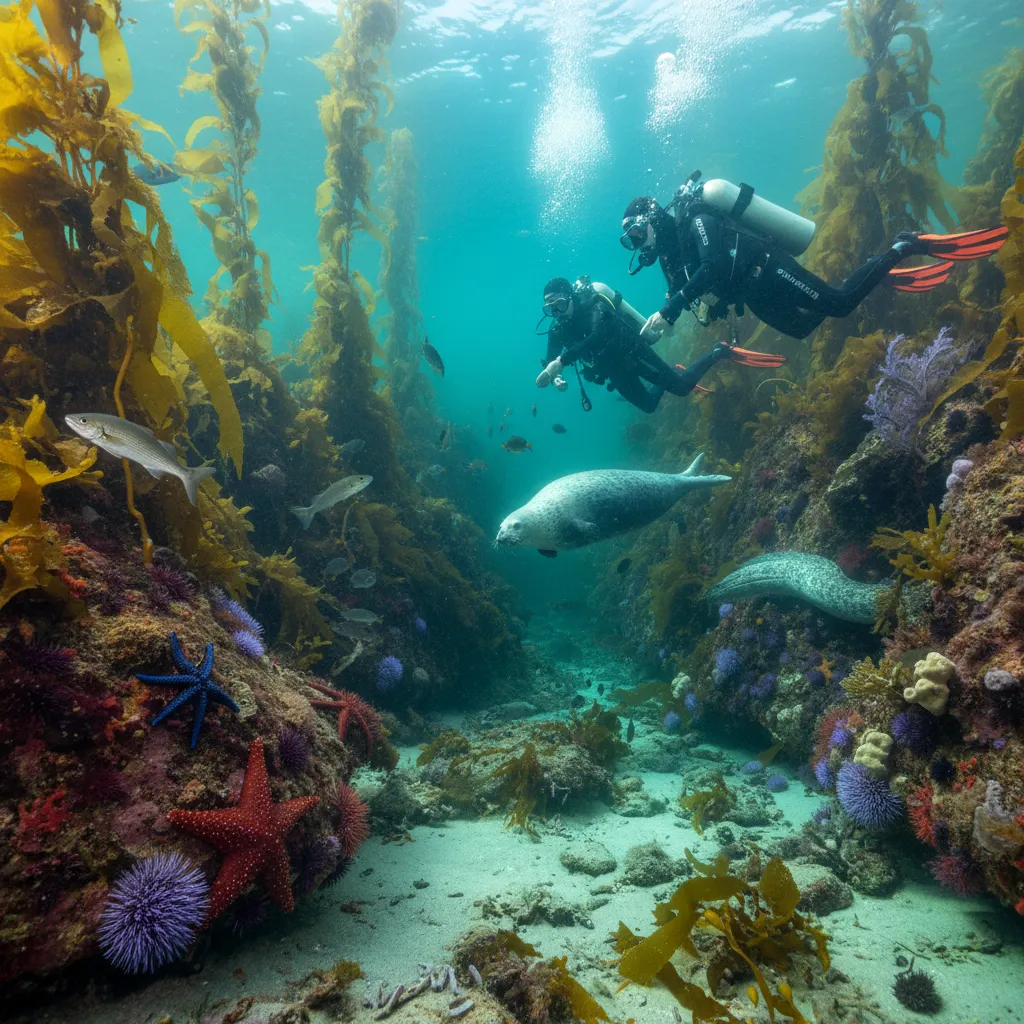
The West Coast of Ireland is where the Wild Atlantic Way truly lives up to its name, especially underwater. We’re talking about proper wild diving here, a place for those who appreciate dramatic seascapes and a touch of the rugged. Think kelp forests swaying like ancient trees, impressive walls that drop into the deep, and a surprising number of bigger animals that glide through the blue. You’re not coming here for warm, gentle drifts; you’re coming for the raw beauty of the Atlantic. We love the sheer variety of dive sites; from sheltered reefs perfect for beginners to exposed pinnacles that challenge even advanced divers. Our favourite dives are often those around the towering walls, where you can watch the resident Cape Sharks cruise past, or spot a curious Bentnose Rabbitfish darting into crevices. If you’re lucky, you might even catch a glimpse of a Shortfin Mako out in the deeper water - a genuinely thrilling encounter. Visibility can be a mixed bag, improving dramatically in the calmer summer months. We'd suggest aiming for late spring or early autumn; you get fewer crowds and some cracking days out on the water. Keep an eye out for the Hooded Shrimp hiding in the kelp and the vibrant reddish crabs on the rocky seabed. It’s an immersive experience, the kind that stays with you long after you’ve toweled off.
Ocean Wildlife in Ireland
193 species recorded in Ireland
Ireland Visa Requirements
Check if you need a visa to dive in Ireland
Plan & book
Ways to dive Ireland, from day trips to liveaboards.
Day trips & courses
via GetYourGuideGuided dives, courses and snorkel trips with instant booking.
Find dive trips in IrelandPlaces to stay
via Booking.comHotels and dive resorts near Ireland.
Search stays in IrelandDive insurance
Most travel insurance excludes or limits scuba. Check what you need before you go.
Dive insurance explainedPartner links: we may earn a commission if you book, at no extra cost to you. How we make money