DUNMAIL
Protected Area
Ravenmeols Hills
Why dive here
With 118+ marine species recorded in the area - including dolphins, dwarf minke whales, humpback whales, ocean sunfish (mola mola) and orcas - DUNMAIL offers some of Northumberland & Northeast's richest wreck diving.
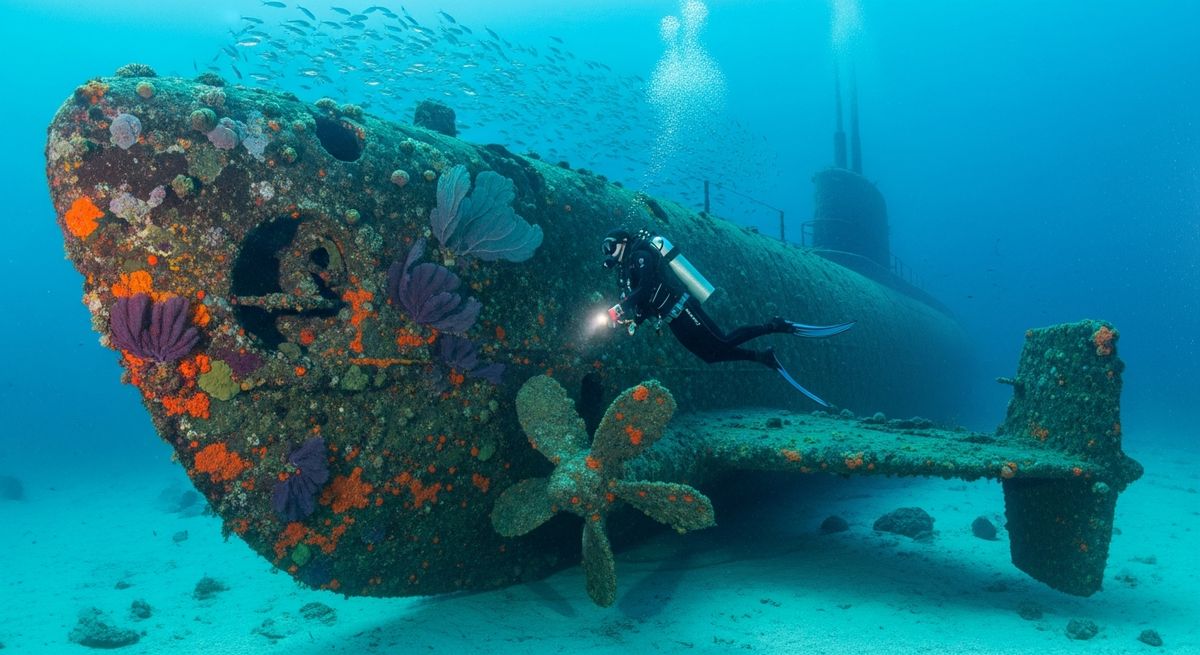
The Dunmail is a proper old-school wreck, and we absolutely love it for that. She went down in 1873, a big iron sailing vessel, and you can still feel that history as you fin over her. At just 7 metres, she’s super accessible for pretty much any diver, making her a fantastic site if you’re looking to get some good bottom time in the UK. What you get here is pure structure, an amazing skeleton for marine life to cling to. We usually find crabs scuttling in the shadows, lobsters tucked deep into crevices, and schools of coalfish darting around the remaining ribs. The visibility can vary, as it often does in the North East, but on a good day, the light penetrates beautifully, illuminating the dark metal and the life that now calls it home. We’d suggest timing your dive for slack water, always, to really take your time exploring the different sections. It’s a brilliant dive for photographers looking to capture that classic wreck silhouette against the lighter surface.
Typical DUNMAIL Dive Profile
Illustrative profile based on site depth and type. Actual dive profiles vary - always follow your dive computer and training.
Safety Notes
Wreck site - avoid penetration without wreck diving certification. Watch for sharp metal and entanglement hazards.
Nearest Dive Centres to DUNMAIL
Dive shops near DUNMAIL
Aquaventurers
Delph Watersports Centre
Blue Planet Aquarium
Blackpool Area Diving Centre
Shipmates
Fins Scuba
Reviews for DUNMAIL
Conditions
Ocean conditions, forecast and tides for DUNMAIL
Plan & book
Ways to dive Northumberland & Northeast, from day trips to liveaboards.
Day trips & courses
via GetYourGuideGuided dives, courses and snorkel trips with instant booking.
Find dive trips in Northumberland & NortheastPlaces to stay
via Booking.comHotels and dive resorts near Northumberland & Northeast.
Search stays in Northumberland & NortheastDive insurance
Most travel insurance excludes or limits scuba. Check what you need before you go.
Dive insurance explainedPartner links: we may earn a commission if you book, at no extra cost to you. How we make money
Where to Stay near DUNMAIL
Prices from Booking.com. We may earn a commission at no extra cost to you.