DUNMORE
Protected Area
Ballyquintin Point
Why dive here
With 118+ marine species recorded in the area - including dolphins, dwarf minke whales, humpback whales, ocean sunfish (mola mola) and orcas - DUNMORE offers some of Northumberland & Northeast's richest wreck diving.
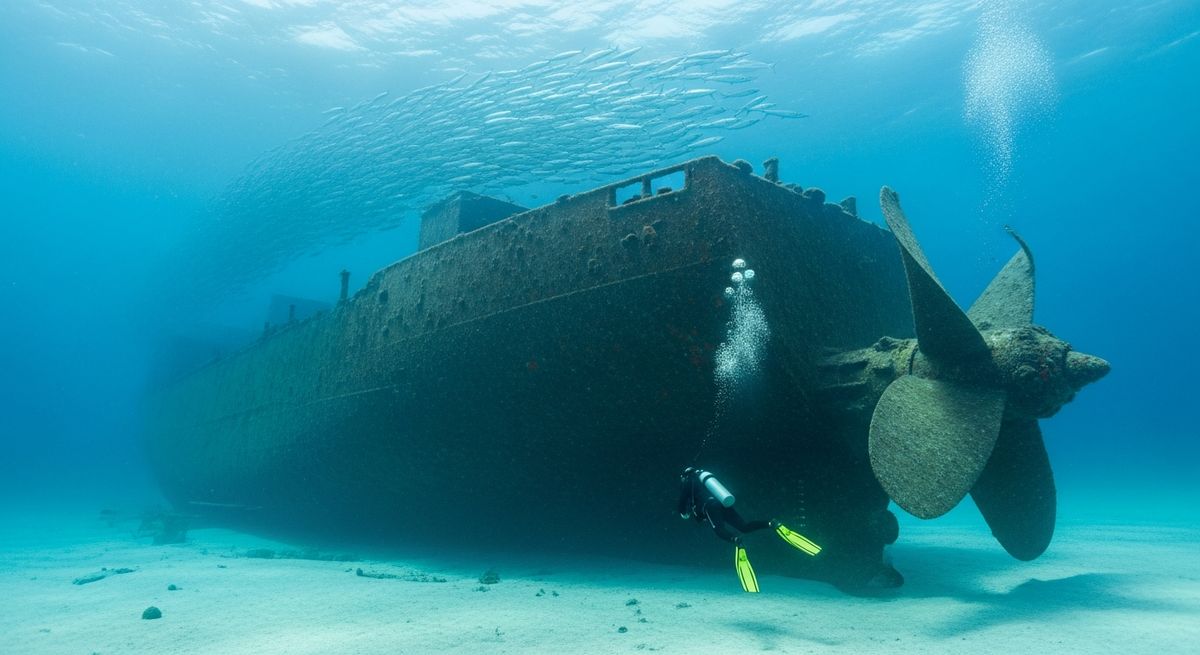
The Dunmore, she’s a proper old girl, and we always enjoy a dive on her. Down at about 18 metres, she lies broken but still very much a ship, not just a pile of plates. You can really get a sense of her shape, particularly the stern. We love poking around the engine room, often finding a big conger eel or two tucked away. There’s a good chance you'll spot lobsters and crabs too, scuttling amongst the ribs of the hull, and the occasional wolf fish has been known to take up residence. Visibility can be a bit of a lottery in the Northeast, so we always check the forecast for a settled spell. When it’s good, though, the Dunmore offers a classic UK wreck dive, easily penetrable in places for those with the right training, but just as rewarding for a non-penetration rummage. It’s a great site for divers who appreciate history and enjoy the hunt for creatures taking shelter in the wreck's nooks and crannies. A genuinely good North Sea experience.
Safety Notes
Wreck site - avoid penetration without wreck diving certification. Watch for sharp metal and entanglement hazards.
Reviews for DUNMORE
Conditions
Ocean conditions, forecast and tides for DUNMORE
Plan & book
Ways to dive Northumberland & Northeast, from day trips to liveaboards.
Day trips & courses
via GetYourGuideGuided dives, courses and snorkel trips with instant booking.
Find dive trips in Northumberland & NortheastPlaces to stay
via Booking.comHotels and dive resorts near Northumberland & Northeast.
Search stays in Northumberland & NortheastDive insurance
Most travel insurance excludes or limits scuba. Check what you need before you go.
Dive insurance explainedPartner links: we may earn a commission if you book, at no extra cost to you. How we make money
Where to Stay near DUNMORE
Prices from Booking.com. We may earn a commission at no extra cost to you.