HARVEST
Protected Area
Teesmouth and Cleveland Coast
Why dive here
With 118+ marine species recorded in the area - including dolphins, dwarf minke whales, humpback whales, ocean sunfish (mola mola) and orcas - HARVEST offers some of Northumberland & Northeast's richest wreck diving.
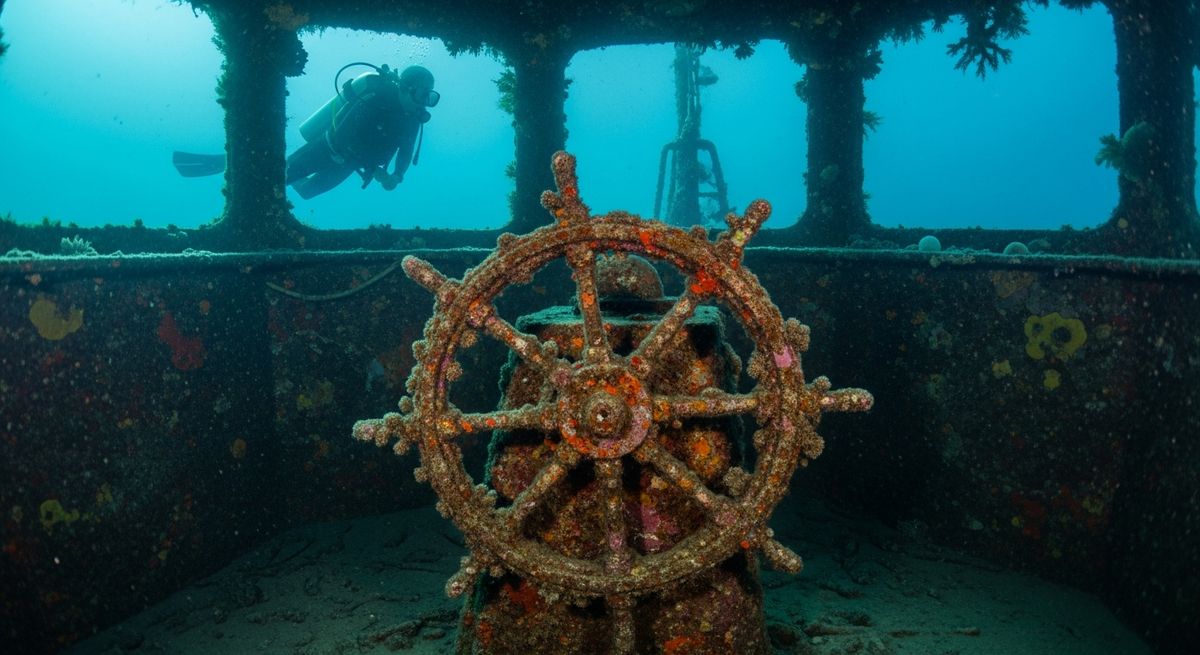
The Harvest sits in a sweet spot for Northumberland wreck diving: shallow enough for generous bottom time, but with enough character to keep you really engaged. We always enjoy dropping onto this iron steamship, sunk way back in 1889. You’ll find her broken, with plates peeled back and ribs exposed, which creates some really interesting swim-throughs and plenty of shelter for marine life. We particularly love poking around the boiler, it’s a big, imposing cylinder that’s now completely encrusted with anemones and dead man's fingers. Expect to see resident cod tucked into the deeper sections of the wreck, often quite hefty ones, along with inquisitive wrasse flitting between the ironwork. On a good visibility day, when the light penetrates down, the colours on the encrusting life can be surprisingly vibrant. It’s a site that suits divers who appreciate historical wrecks and aren't afraid of the chillier North Sea temperatures, offering a genuine sense of exploration. Our advice? Go at slack water, it makes navigating the structure so much more relaxing.
Typical HARVEST Dive Profile
Illustrative profile based on site depth and type. Actual dive profiles vary - always follow your dive computer and training.
Safety Notes
Wreck site - avoid penetration without wreck diving certification. Watch for sharp metal and entanglement hazards.
Always perform a 3-minute safety stop at 5m before surfacing.
Nearest Dive Centres to HARVEST
Dive shops near HARVEST
Denney Diving
Durham University Sub Aqua Society
Scuba Diver Training Ltd
Reviews for HARVEST
Conditions
Ocean conditions, forecast and tides for HARVEST
Plan & book
Ways to dive Northumberland & Northeast, from day trips to liveaboards.
Day trips & courses
via GetYourGuideGuided dives, courses and snorkel trips with instant booking.
Find dive trips in Northumberland & NortheastPlaces to stay
via Booking.comHotels and dive resorts near Northumberland & Northeast.
Search stays in Northumberland & NortheastDive insurance
Most travel insurance excludes or limits scuba. Check what you need before you go.
Dive insurance explainedPartner links: we may earn a commission if you book, at no extra cost to you. How we make money
Where to Stay near HARVEST
Prices from Booking.com. We may earn a commission at no extra cost to you.