LUBECA
Protected Area
Ravenmeols Hills
Why dive here
With 118+ marine species recorded in the area - including dolphins, dwarf minke whales, humpback whales, ocean sunfish (mola mola) and orcas - LUBECA offers some of Northumberland & Northeast's richest wreck diving.
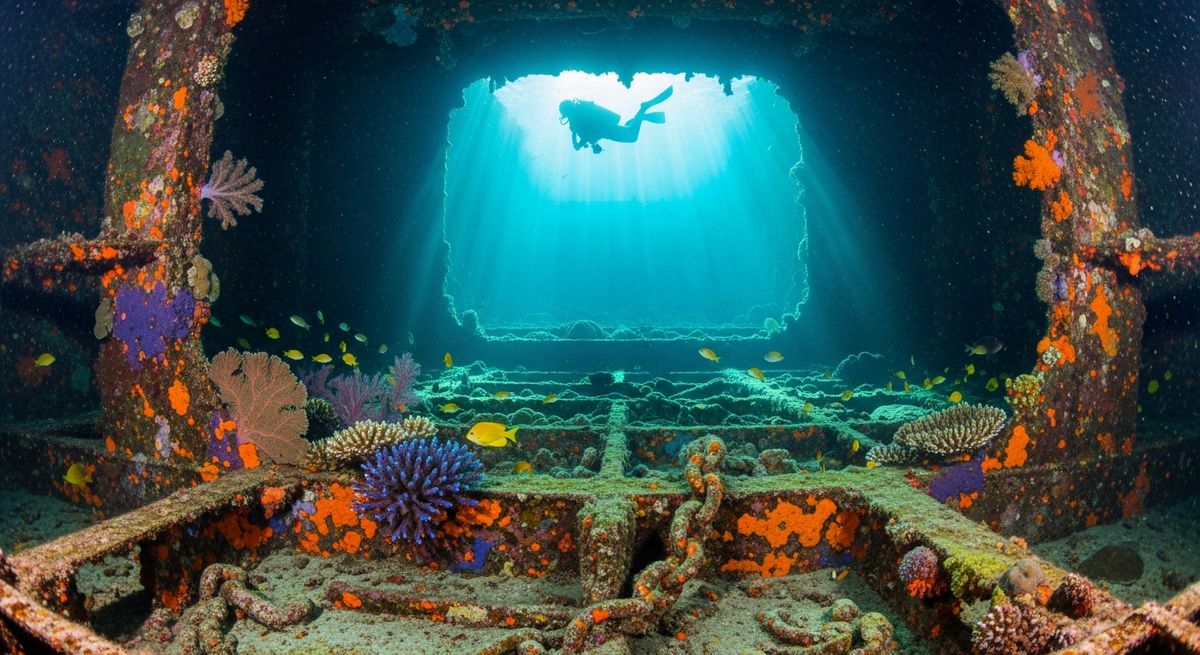
The Lubeca, off the Northumberland coast, is one of our absolute favourite UK wrecks. We’ve spent countless hours poking around her. She sits upright, mostly intact, and when the visibility cooperates, seeing her loom out of the green gloom is a proper thrill. Down to about 30 metres, she’s a fantastic rummage, especially for those comfortable with deeper dives and the often-chilly North Sea temperatures. What makes her special? We love the engine room access, though it’s snug in places, and the wheelhouse structure is always worth a look for ling and conger eels. Often, we’ll see schools of pouting swarming over the decks, their scales glinting in torchlight. The bow section, with its anchor chains draped over the winches, feels particularly atmospheric. If you time it right with a neap tide, the current is manageable, letting you explore without fighting the water. We always plan our dives to hit slack water for the best experience here; otherwise, it’s a drift past a very large, impressive piece of metal. She’s a dangerous wreck, officially, but that just means she’s full of character and challenges, not that she’s about to fall apart on you.
Typical LUBECA Dive Profile
Illustrative profile based on site depth and type. Actual dive profiles vary - always follow your dive computer and training.
Safety Notes
Wreck site - avoid penetration without wreck diving certification. Watch for sharp metal and entanglement hazards.
Nearest Dive Centres to LUBECA
Dive shops near LUBECA
Aquaventurers
Delph Watersports Centre
Blue Planet Aquarium
Shipmates
Blackpool Area Diving Centre
Fins Scuba
Reviews for LUBECA
Conditions
Ocean conditions, forecast and tides for LUBECA
Plan & book
Ways to dive Northumberland & Northeast, from day trips to liveaboards.
Day trips & courses
via GetYourGuideGuided dives, courses and snorkel trips with instant booking.
Find dive trips in Northumberland & NortheastPlaces to stay
via Booking.comHotels and dive resorts near Northumberland & Northeast.
Search stays in Northumberland & NortheastDive insurance
Most travel insurance excludes or limits scuba. Check what you need before you go.
Dive insurance explainedPartner links: we may earn a commission if you book, at no extra cost to you. How we make money
Where to Stay near LUBECA
Prices from Booking.com. We may earn a commission at no extra cost to you.