PAULINA
Protected Area
Corsewall Point to Milleur Point
Why dive here
With 118+ marine species recorded in the area - including dolphins, dwarf minke whales, humpback whales, ocean sunfish (mola mola) and orcas - PAULINA offers some of Northumberland & Northeast's richest wreck diving.
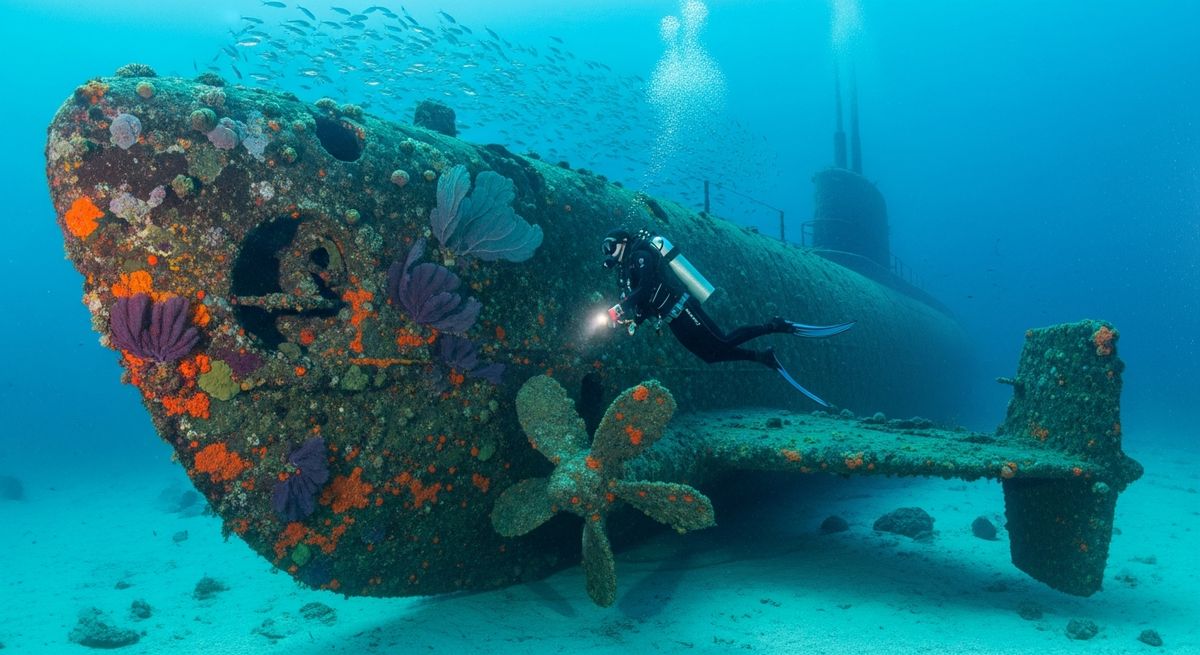
The Paulina, sitting at just 5m, is one of those wrecks that really makes you appreciate the history beneath the waves here in the Northeast. She was a pretty substantial coaster, built in 1909, and she went down in 1913. You can picture it, a big old girl for her time, and now she’s broken up quite a bit. What we love about the Paulina is how accessible she is, perfect for a long, relaxed dive where you can really take your time poking around. You’ll find a surprising amount of detail still on the seabed, even if the larger structure is fragmented. We’ve spent ages just sifting through the remains of her plates, imagining the crew’s daily life. It’s not about grand swim-throughs here, it's about the texture of the twisted metal, the way the light filters through the green water. Look closely and you’ll find plenty of life too, wrasse darting between the ribs of the hull, sometimes a curious crab peeking out from under a fallen beam. Our pick for diving the Paulina is definitely a calm day, minimal swell, and ideally on a rising tide for the best visibility. It’s a site for divers who appreciate history and don't mind a bit of a treasure hunt amongst the wreckage.
Typical PAULINA Dive Profile
Illustrative profile based on site depth and type. Actual dive profiles vary - always follow your dive computer and training.
Safety Notes
Wreck site - avoid penetration without wreck diving certification. Watch for sharp metal and entanglement hazards.
Reviews for PAULINA
Conditions
Ocean conditions, forecast and tides for PAULINA
Plan & book
Ways to dive Northumberland & Northeast, from day trips to liveaboards.
Day trips & courses
via GetYourGuideGuided dives, courses and snorkel trips with instant booking.
Find dive trips in Northumberland & NortheastPlaces to stay
via Booking.comHotels and dive resorts near Northumberland & Northeast.
Search stays in Northumberland & NortheastDive insurance
Most travel insurance excludes or limits scuba. Check what you need before you go.
Dive insurance explainedPartner links: we may earn a commission if you book, at no extra cost to you. How we make money
Where to Stay near PAULINA
Prices from Booking.com. We may earn a commission at no extra cost to you.