RIVER LOYNE
Protected Area
Puffin Island - Ynys Seiriol
Why dive here
With 118+ marine species recorded in the area - including dolphins, dwarf minke whales, humpback whales, ocean sunfish (mola mola) and orcas - RIVER LOYNE offers some of Northumberland & Northeast's richest wreck diving.
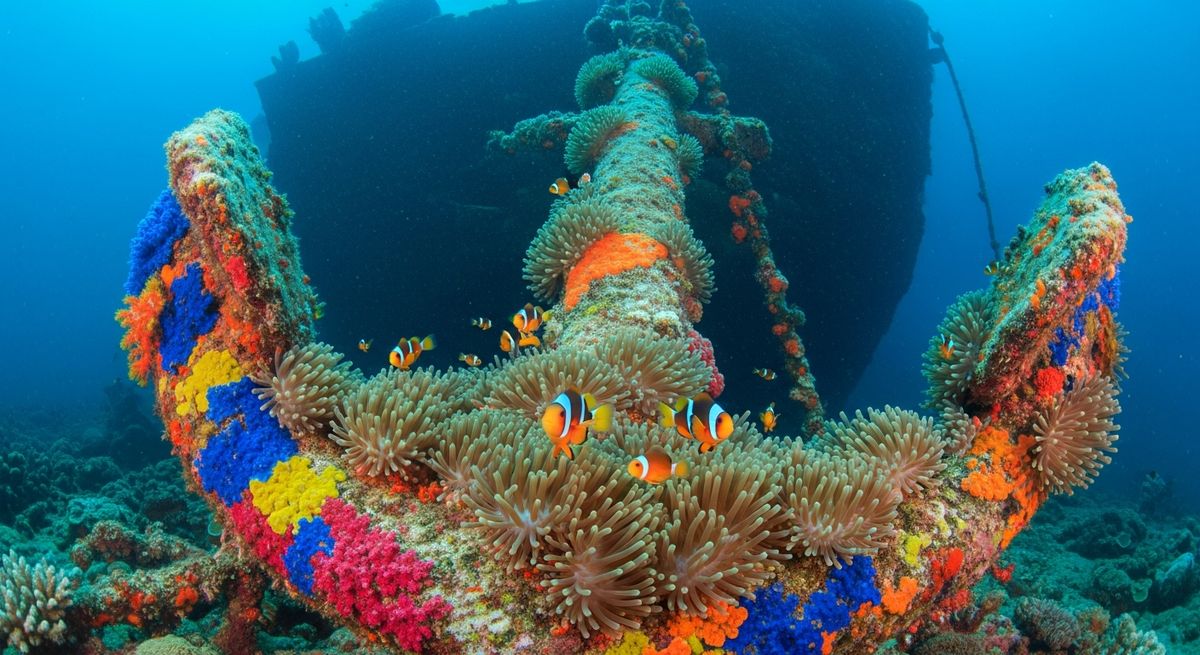
Dropping onto the River Loyne, you’re met with the skeletal remains of a former Admiralty X lighter. She’s been down since 1948, a tragic loss with all hands, and time has worn her into a low-lying structure, scattered in places. We’ve found her an interesting rummage around the collapsed sections, especially for those who appreciate history over coral. The local crabs and blennies have certainly made themselves at home in the nooks and crannies, and we’ve seen some decent-sized cod lurking in the more sheltered areas of the plates. Expect a fairly silty bottom, so decent buoyancy is a must to keep visibility reasonable.
Typical RIVER LOYNE Dive Profile
Illustrative profile based on site depth and type. Actual dive profiles vary - always follow your dive computer and training.
Safety Notes
Wreck site - avoid penetration without wreck diving certification. Watch for sharp metal and entanglement hazards.
Always perform a 3-minute safety stop at 5m before surfacing.
Nearest Dive Centres to RIVER LOYNE
Dive shops near RIVER LOYNE
View all dive centres in Northumberland & NortheastReviews for RIVER LOYNE
Conditions
Ocean conditions, forecast and tides for RIVER LOYNE
Plan & book
Ways to dive Northumberland & Northeast, from day trips to liveaboards.
Day trips & courses
via GetYourGuideGuided dives, courses and snorkel trips with instant booking.
Find dive trips in Northumberland & NortheastPlaces to stay
via Booking.comHotels and dive resorts near Northumberland & Northeast.
Search stays in Northumberland & NortheastDive insurance
Most travel insurance excludes or limits scuba. Check what you need before you go.
Dive insurance explainedPartner links: we may earn a commission if you book, at no extra cost to you. How we make money
Where to Stay near RIVER LOYNE
Prices from Booking.com. We may earn a commission at no extra cost to you.