ROSENEATH
Protected Area
Morroch Bay
Why dive here
With 118+ marine species recorded in the area - including dolphins, dwarf minke whales, humpback whales, ocean sunfish (mola mola) and orcas - ROSENEATH offers some of Northumberland & Northeast's richest wreck diving.
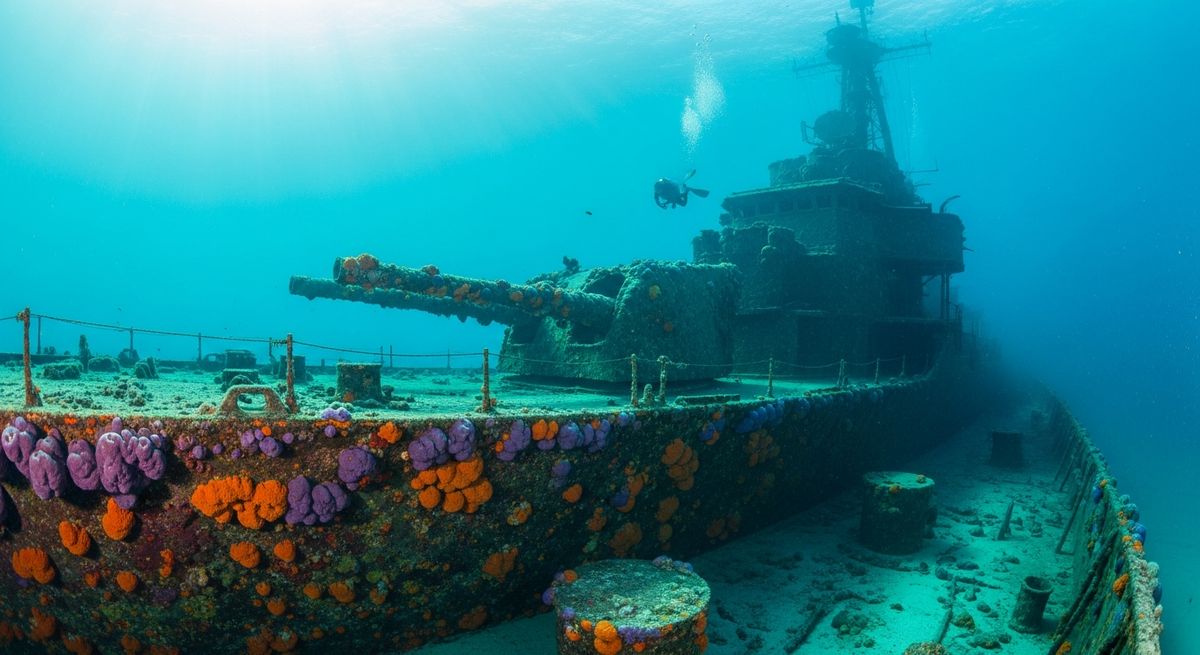
The Roseneath, a three-masted barque, went down in 1889 and now lies broken on the seabed, her remains spread across a relatively flat area. It's a proper British wreck dive, generally for those with some experience in colder, often lower visibility conditions. We've found the stern section is usually the most identifiable part, with rudder stock still present, and a good spot for spotting the resident lobsters and crab. You’ll be looking for the outline of her 57-meter length, which has become a decent home for wolfish and the occasional ling. It’s not a deep dive, but we'd suggest going at slack water to avoid a workout against the current.
Safety Notes
Wreck site - avoid penetration without wreck diving certification. Watch for sharp metal and entanglement hazards.
Reviews for ROSENEATH
Conditions
Ocean conditions, forecast and tides for ROSENEATH
Plan & book
Ways to dive Northumberland & Northeast, from day trips to liveaboards.
Day trips & courses
via GetYourGuideGuided dives, courses and snorkel trips with instant booking.
Find dive trips in Northumberland & NortheastPlaces to stay
via Booking.comHotels and dive resorts near Northumberland & Northeast.
Search stays in Northumberland & NortheastDive insurance
Most travel insurance excludes or limits scuba. Check what you need before you go.
Dive insurance explainedPartner links: we may earn a commission if you book, at no extra cost to you. How we make money
Where to Stay near ROSENEATH
Prices from Booking.com. We may earn a commission at no extra cost to you.