STANLEIGH
Protected Area
Liverpool Bay / Bae Lerpwl
Why dive here
With 118+ marine species recorded in the area - including dolphins, dwarf minke whales, humpback whales, ocean sunfish (mola mola) and orcas - STANLEIGH offers some of Northumberland & Northeast's richest wreck diving.
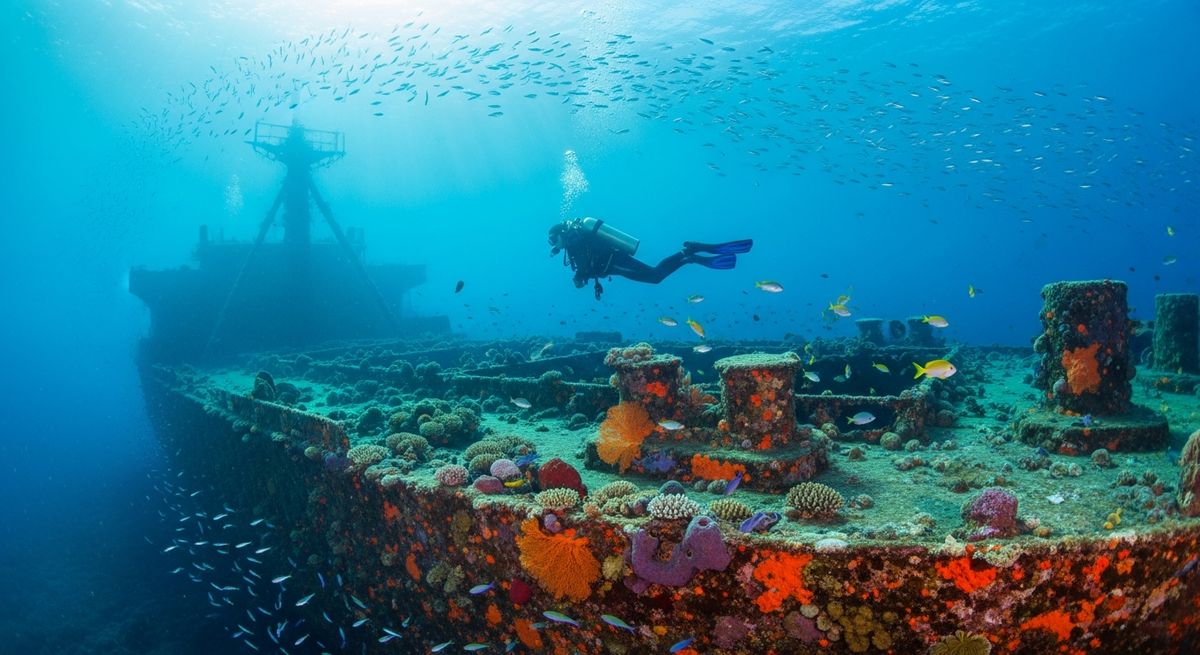
The Stanleigh, a steamship sunk in 1941, rests upright in 24 metres of water. We’ve always found this wreck to have a real presence; the stern section is particularly intact. You can fin around the propeller, a massive bronze disc often draped in dead man's fingers. The two large boilers are prominent, usually attracting shoals of pouting and often a few inquisitive cod. Visibility here can be a bit of a lottery, sometimes it's twenty metres, other days it's more like five, so pick your day. It’s a solid dive for anyone comfortable with deeper wrecks and a bit of ambient light exploration.
Typical STANLEIGH Dive Profile
Illustrative profile based on site depth and type. Actual dive profiles vary - always follow your dive computer and training.
Safety Notes
Depth of 24m - Advanced Open Water certification recommended.
Wreck site - avoid penetration without wreck diving certification. Watch for sharp metal and entanglement hazards.
Always perform a 3-minute safety stop at 5m before surfacing.
Nearest Dive Centres to STANLEIGH
Dive shops near STANLEIGH
View all dive centres in Northumberland & NortheastReviews for STANLEIGH
Conditions
Ocean conditions, forecast and tides for STANLEIGH
Plan & book
Ways to dive Northumberland & Northeast, from day trips to liveaboards.
Day trips & courses
via GetYourGuideGuided dives, courses and snorkel trips with instant booking.
Find dive trips in Northumberland & NortheastPlaces to stay
via Booking.comHotels and dive resorts near Northumberland & Northeast.
Search stays in Northumberland & NortheastDive insurance
Most travel insurance excludes or limits scuba. Check what you need before you go.
Dive insurance explainedPartner links: we may earn a commission if you book, at no extra cost to you. How we make money
Where to Stay near STANLEIGH
Prices from Booking.com. We may earn a commission at no extra cost to you.