UPAS
Protected Area
Outer Ards
Why dive here
With 118+ marine species recorded in the area - including dolphins, dwarf minke whales, humpback whales, ocean sunfish (mola mola) and orcas - UPAS offers some of Northumberland & Northeast's richest wreck diving.
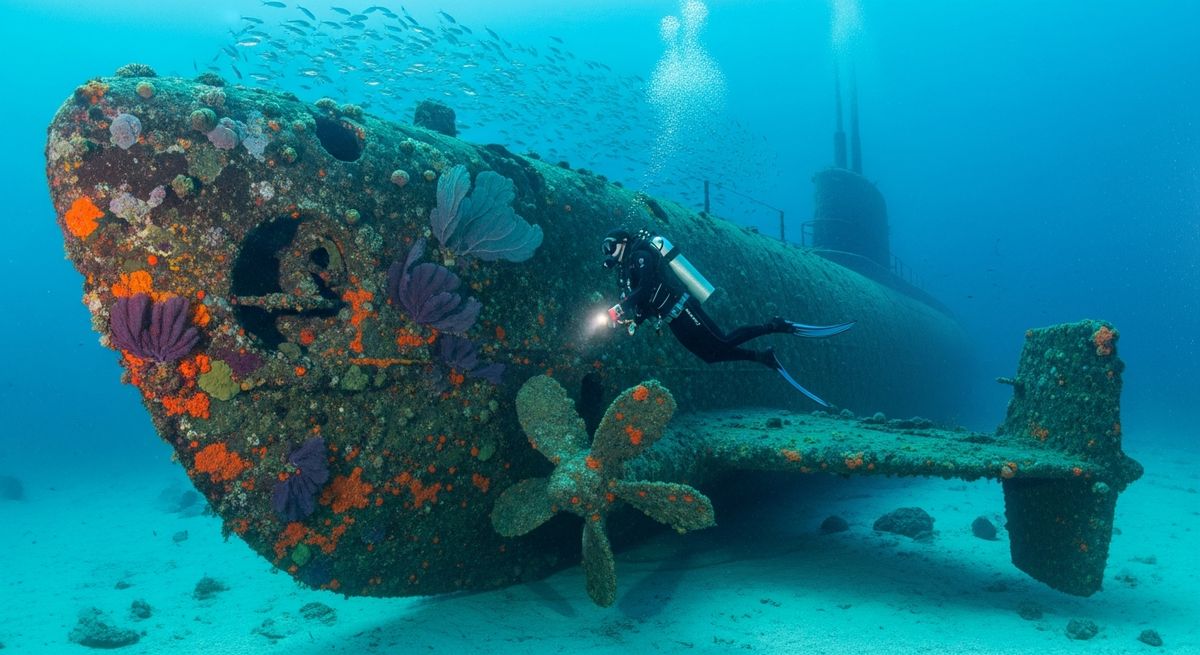
The UPAS wreck, sitting at 16 metres, is a solid dive for anyone exploring the Northumberland coast. This steamship went down in 1915, and time has definitely taken its toll, but there’s still plenty to poke around. You’ll find the boiler standing proud, usually a good spot for lobsters, and the remains of the engine section aft. We’ve seen conger eels tucked into the deeper recesses of the hull plating, and often schools of juvenile coalfish darting through the broken sections. It’s not a huge wreck, so it’s good for an hour’s rummage, offering a relaxed wreck dive without strong currents.
Typical UPAS Dive Profile
Illustrative profile based on site depth and type. Actual dive profiles vary - always follow your dive computer and training.
Safety Notes
Wreck site - avoid penetration without wreck diving certification. Watch for sharp metal and entanglement hazards.
Always perform a 3-minute safety stop at 5m before surfacing.
Reviews for UPAS
Conditions
Ocean conditions, forecast and tides for UPAS
Plan & book
Ways to dive Northumberland & Northeast, from day trips to liveaboards.
Day trips & courses
via GetYourGuideGuided dives, courses and snorkel trips with instant booking.
Find dive trips in Northumberland & NortheastPlaces to stay
via Booking.comHotels and dive resorts near Northumberland & Northeast.
Search stays in Northumberland & NortheastDive insurance
Most travel insurance excludes or limits scuba. Check what you need before you go.
Dive insurance explainedPartner links: we may earn a commission if you book, at no extra cost to you. How we make money
Where to Stay near UPAS
Prices from Booking.com. We may earn a commission at no extra cost to you.