
Diving in Canada
Why dive here
Canada offers rich diving, with 172+ marine species recorded in its waters - including blue sharks, blue whales, dolphins, dwarf minke whales and great white sharks. Water ranges 2-15°C, warmest July, August, September.
Canada isn't your typical tropical dive, and that's precisely its charm. We love it for the sheer variety of cold-water experiences, from the dramatic fjords of British Columbia to the surprising freshwater wrecks of the Great Lakes. If you're after something truly wild, head west for the Pacific's monstrous octopuses and wolf eels, best seen when the plankton blooms settle in late summer and fall, giving you decent visibility. Out east, the Atlantic provinces deliver wreck diving with a side of seal encounters; the Bay of Fundy, in particular, has some serious current, so time your dives. It’s a place for robust drysuit diving and spotting species you won't find anywhere else, like the quirky Newfoundland Eelpout.
Canada Dive Regions Map
Canada Dive Regions
7 diving areas in Canada
British Columbia
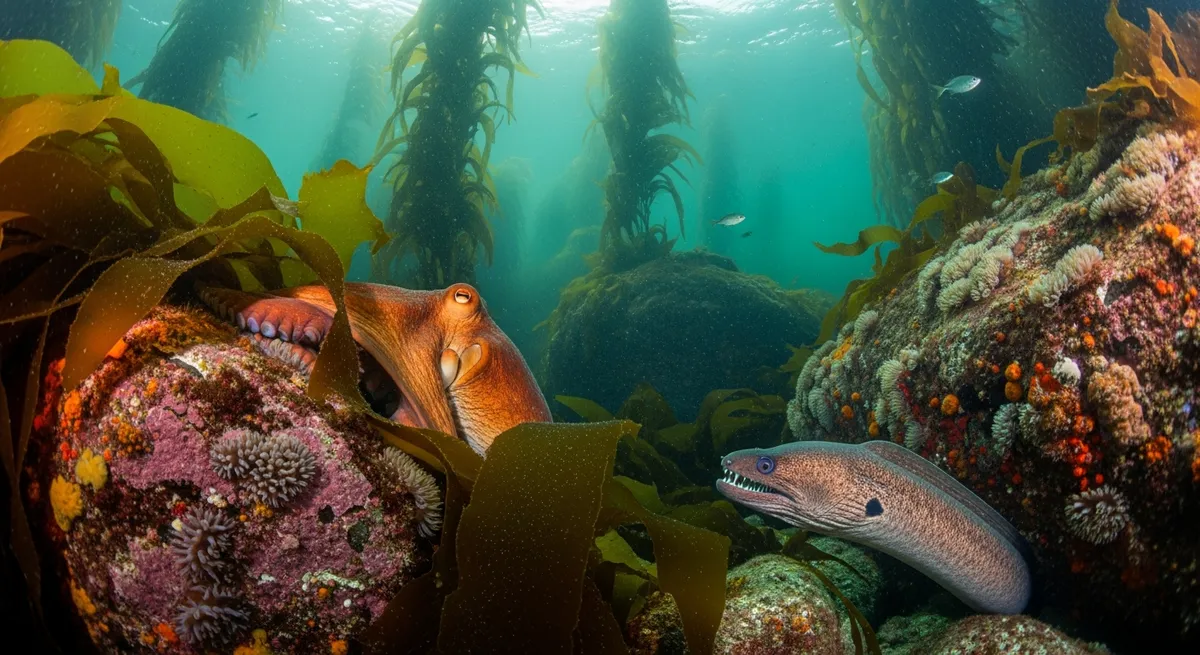
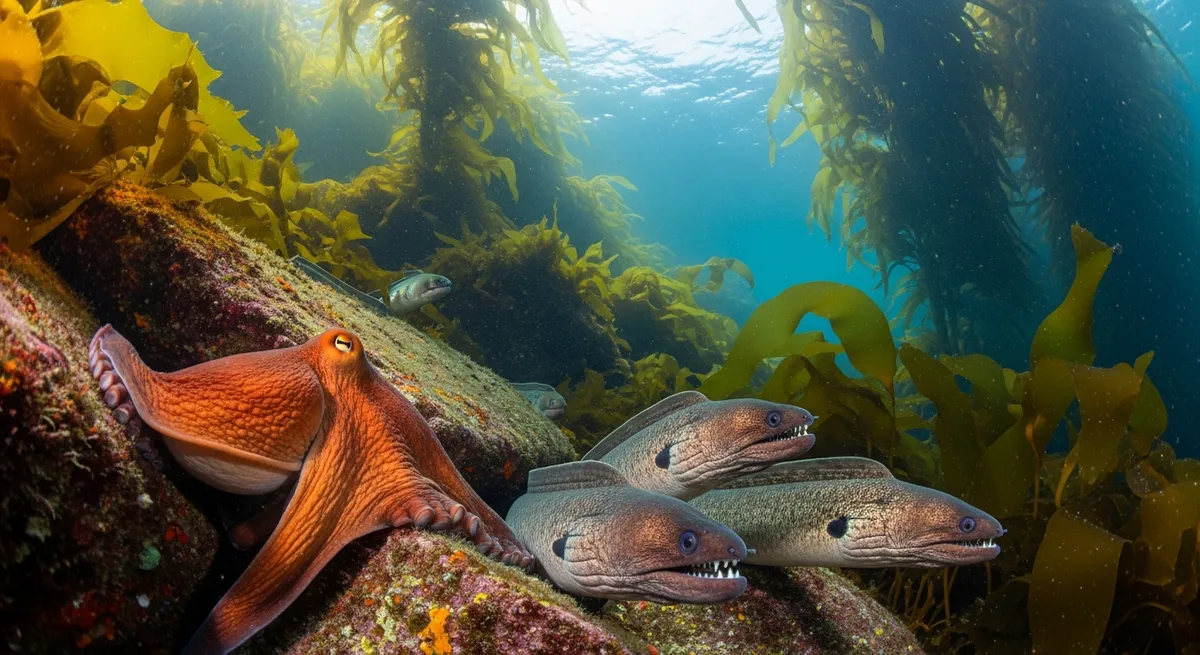
Cold, nutrient-rich Pacific waters with the world's largest octopus, wolf eels, and vibrant anemone gardens.
Manitoba & Prairie Lakes
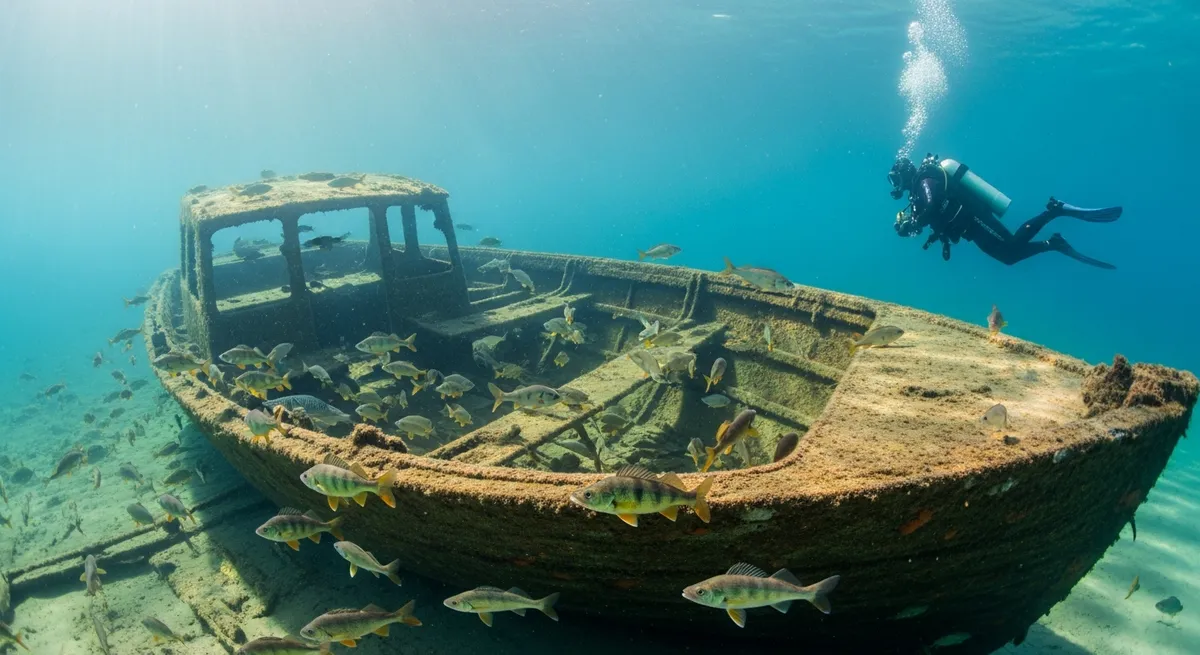
Diving the Prairie Lakes means a unique brand of freshwater exploration, quite different from ocean dives we're used to. Think glacial lakes, surprisingly clear, particularly in places like Clear Lake and West Hawk Lake. Visibility can be quite remarkable, letting you really take in the wrecks and the curious freshwater inhabitants. You'll likely spot pike lurking in the weeds, maybe a sizable Lake Sturgeon if you're lucky, and plenty of Yellow Perch. It’s an honest, refreshing change of pace, and certainly not what most people imagine when they picture diving in Canada.
New Brunswick & Bay of Fundy
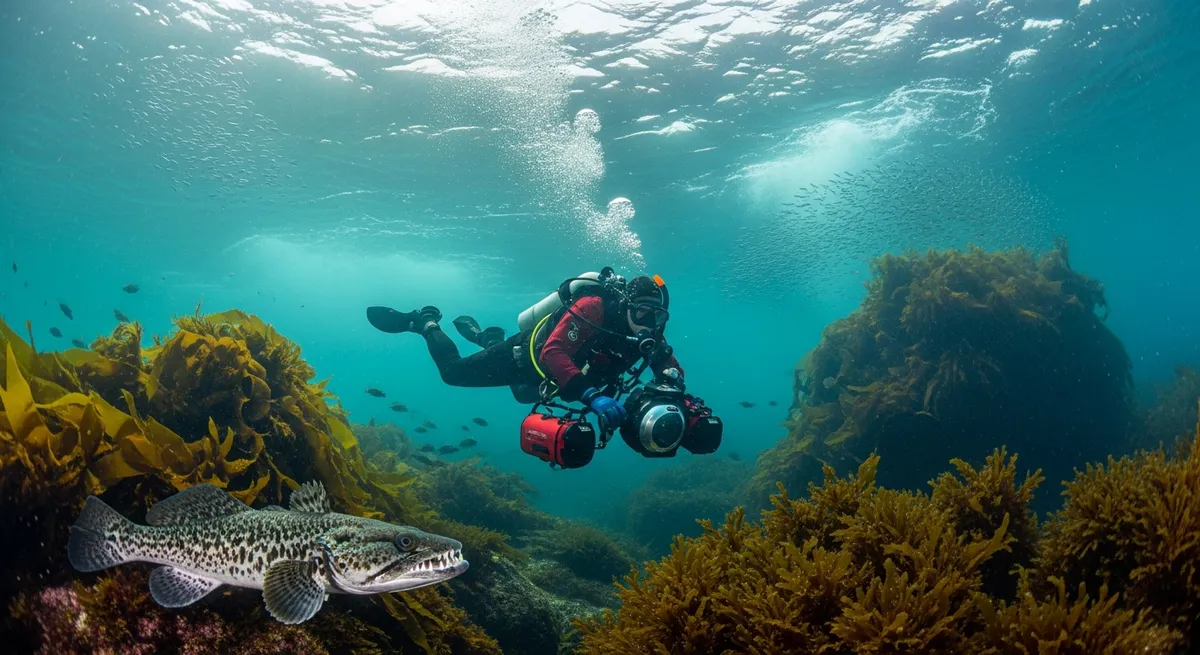
Diving the Bay of Fundy isn’t for the faint of heart, but it’s an adventure we always talk about after a few beers. The tides here are truly immense, pushing vast amounts of water and nutrients, which in turn brings in some serious pelagic action. Think about the incredible feeling of being in the water, knowing whales are moving through those same currents around you; we've even heard them singing on deeper dives. What you'll actually see can be genuinely surprising. We love the drift dives past walls covered in colourful anemones and sponges, feeling that powerful current move you along. Keep an eye out for the more unusual bottom dwellers like lumpsuckers clinging to rocks or the strangely beautiful Northern Wolffish lurking in crevices. Wreck diving here is fantastic too, often shrouded in that green, silty light, which adds a real sense of history to exploring a sunken vessel. Our favourite spots are often dictated by the tides; slack water is your friend, letting you really appreciate the smaller critters like the Punctate Blade Shrimp without fighting the flow. It’s challenging, no doubt, but the sheer raw power of the ocean here, and the life it supports, makes it absolutely worth the effort.
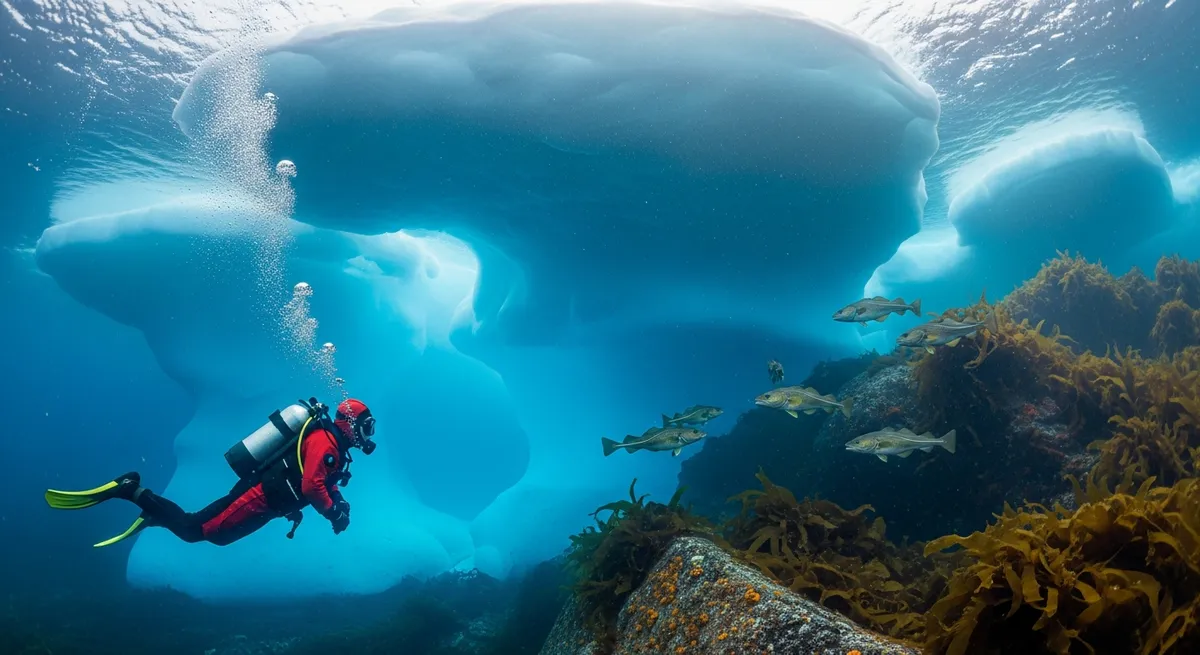
Newfoundland
Newfoundland diving isn't for the faint-hearted, but for those who brave the chilly Atlantic, it’s a truly unique experience. We love it because it throws something completely different at you. Think iceberg diving in early summer, where the light shifts through the ice like a living kaleidoscope, or the Bell Island WWII wrecks - massive, haunting, and incredibly well-preserved. The wrecks are our favourite; a cold water preservation miracle. You'll find long rough dabs resting on plating and Newfoundland eelpout peeking from the shadows. Visibility can be epic, sometimes pushing 30 meters, especially outside the spring melt. Strong currents are common around the wrecks, so good buoyancy and comfort in moving water are a must. Keep an eye out for common minke whales or even a Greenland shark if you’re lucky, especially further offshore. This isn’t a place for casual reef dives; it's about big wrecks, big animals, and big adventure.
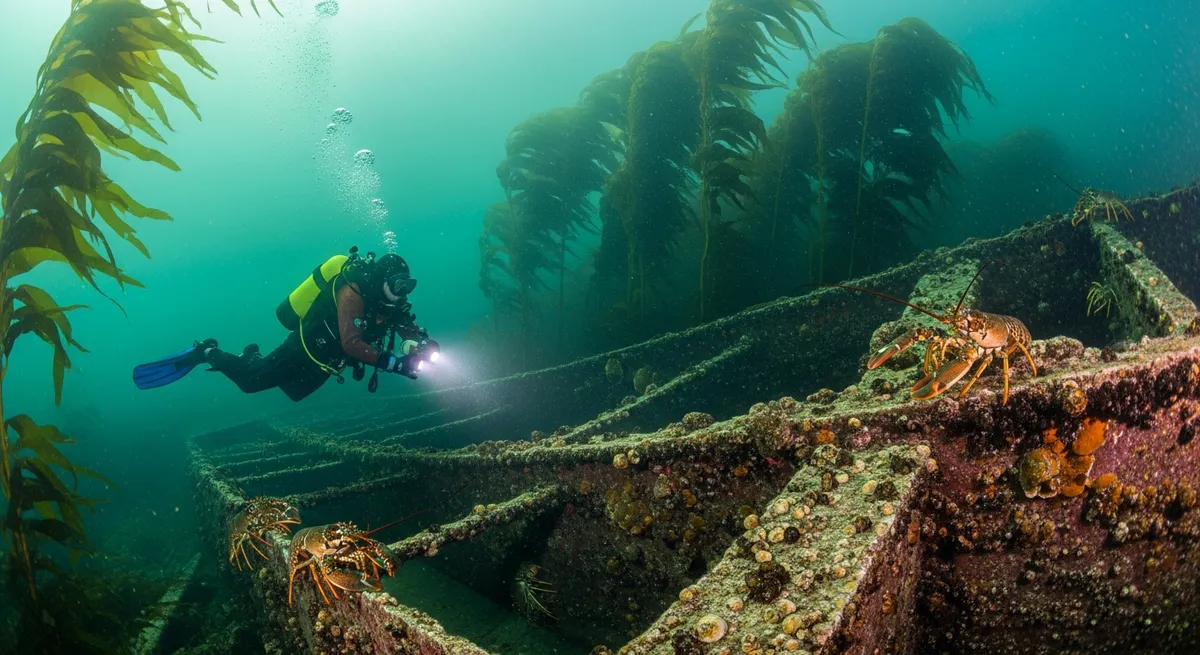
Nova Scotia
Nova Scotia. The name itself conjures images of rugged coastlines and maritime history, and for us, it means some of the best wreck diving in Atlantic Canada. We've spent countless hours exploring the HMCS Saguenay, a destroyer purpose-sunk as an artificial reef, and every dive offers something new. The current can be brisk, but that's often what makes for excellent drift dives over those older wooden wrecks, scattering schools of Atlantic cod and moonfish. Forget your tropical fish; here, it’s about the sheer scale of the wrecks and the hardy, fascinating creatures that call them home. Look out for Atlantic rock crabs scuttling over corroded steel and the occasional wolf-fish peeking from a dark crevice - they’re surprisingly curious. Our favourite time to visit is late summer when the water is at its "warmest," usually around 12-15°C, and visibility can stretch to a decent 15-20 metres on a good day. It's a proper drysuit destination, obviously, but the rewards are massive. The sheer number of historic shipwrecks means you could spend a lifetime here and still find new things.
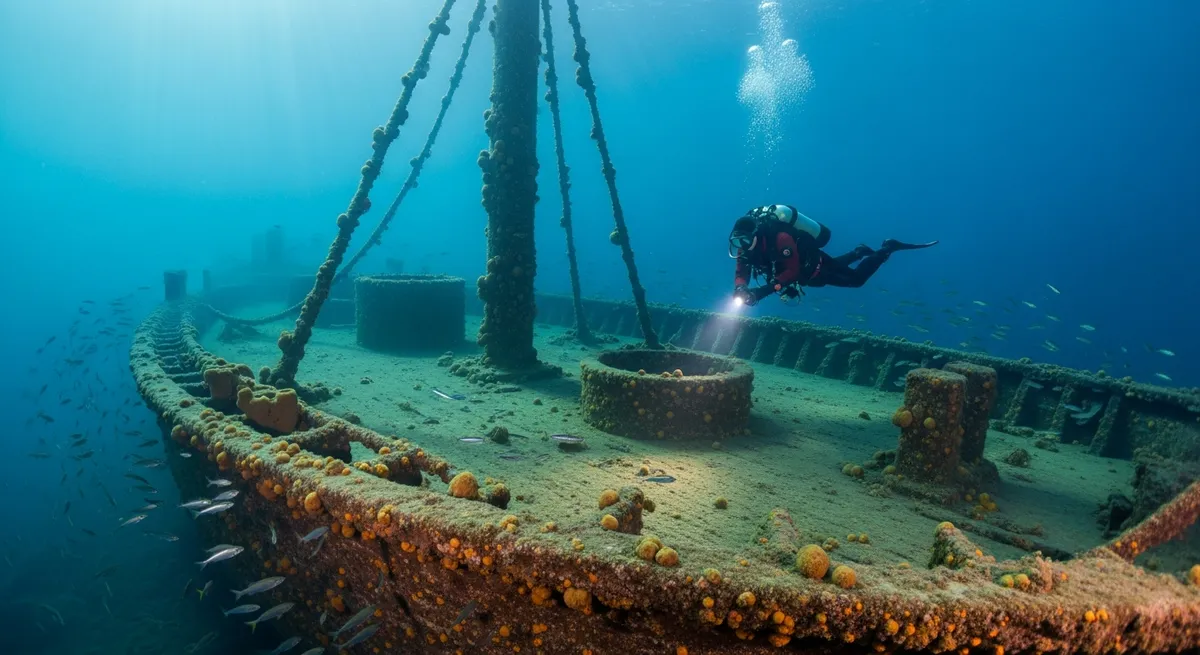
Ontario Great Lakes
Forget the tropics for a minute. We love the Ontario Great Lakes for a completely different flavour of diving, one steeped in history and an almost eerie tranquility. It’s cold water, sure, but slip into a drysuit and you’re transported to a freshwater graveyard of forgotten ships. Fathom Five National Marine Park is our pick, with over twenty historic wrecks lying in shockingly clear water. You’ll fin past perfectly preserved masts, rudders, and even cargo, feeling the chill of depths that keep these vessels almost perfectly intact. The visibility here, especially outside of stirred-up summer weekends, often pushes 20 metres or more. We've often seen schools of yellow perch darting through the skeletal remains of schooners. We’d suggest going in late spring or early autumn; the surface conditions are calmer, and you beat the peak tourist crowds. Look out for the resident lake sturgeon gliding slowly over the silty bottom - they’re magnificent. It's not about colourful corals, it’s about the silent stories these wrecks tell. Just remember your hood and gloves; it’s freshwater, but it’s still Canada!
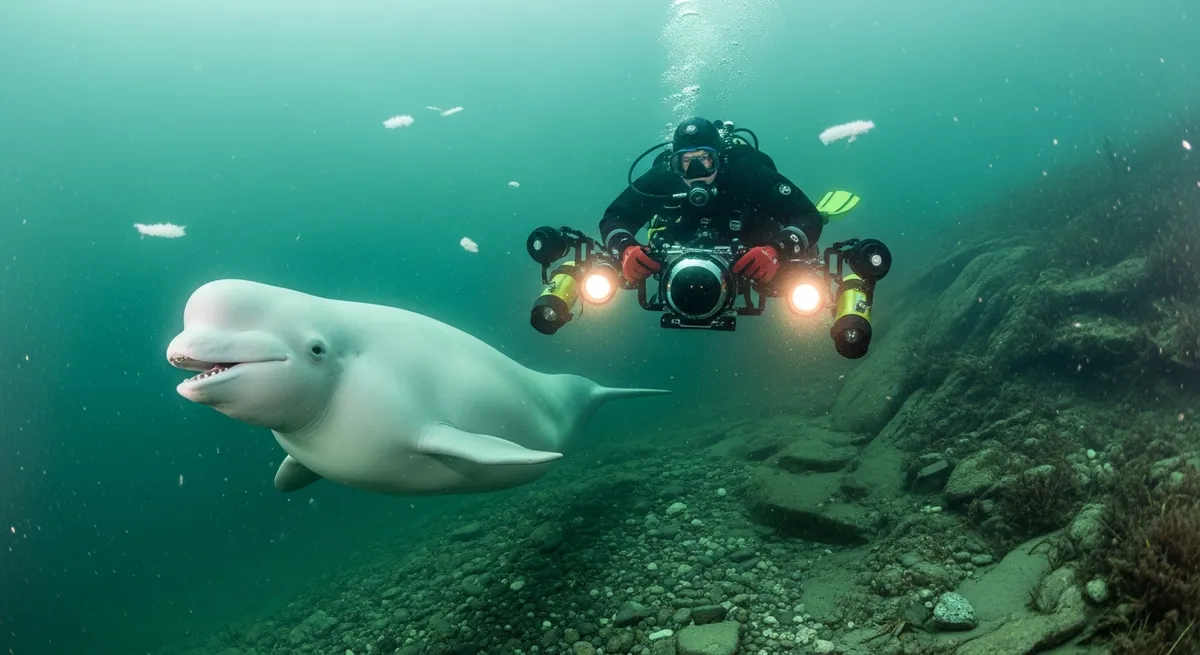
Québec
Québec diving isn't for the faint of heart, but it offers a unique reward. The St. Lawrence River and Saguenay Fjord are cold, often dark, and currents can be a real workout. But get yourself properly geared up-think drysuit and thick underlayers-and you’ll discover a surprisingly rich freshwater world. We love the sheer thrill of beluga encounters here; seeing those ghostly white forms glide past is something truly special. Our favourite spots are often deep in the fjord, where walls drop away into the gloom, revealing bizarre cold-water anemones and sculpins hugging the rock. Visibility can be hit or miss, usually better outside the main shipping channels and after a few dry days. For wrecks, you’ll find some fascinating old timbers and steel structures, many surprisingly intact given the freshwater preservation. Expect to spot burbot lurking in crevices, big schools of yellow perch, and if you’re lucky, a flash of a coho salmon. It’s a different kind of beauty than the tropics, raw and wild, demanding respect but giving back an experience you won’t find anywhere else.
Ocean Wildlife in Canada
172 species recorded in Canada
Canada Visa Requirements
Check if you need a visa to dive in Canada
Plan & book
Ways to dive Canada, from day trips to liveaboards.
Day trips & courses
via GetYourGuideGuided dives, courses and snorkel trips with instant booking.
Find dive trips in CanadaPlaces to stay
via Booking.comHotels and dive resorts near Canada.
Search stays in CanadaDive insurance
Most travel insurance excludes or limits scuba. Check what you need before you go.
Dive insurance explainedPartner links: we may earn a commission if you book, at no extra cost to you. How we make money