Diving in Manitoba & Prairie Lakes
Why dive here
Manitoba & Prairie Lakes is a species-rich diving destination in Canada, with 30+ marine species recorded in the area.
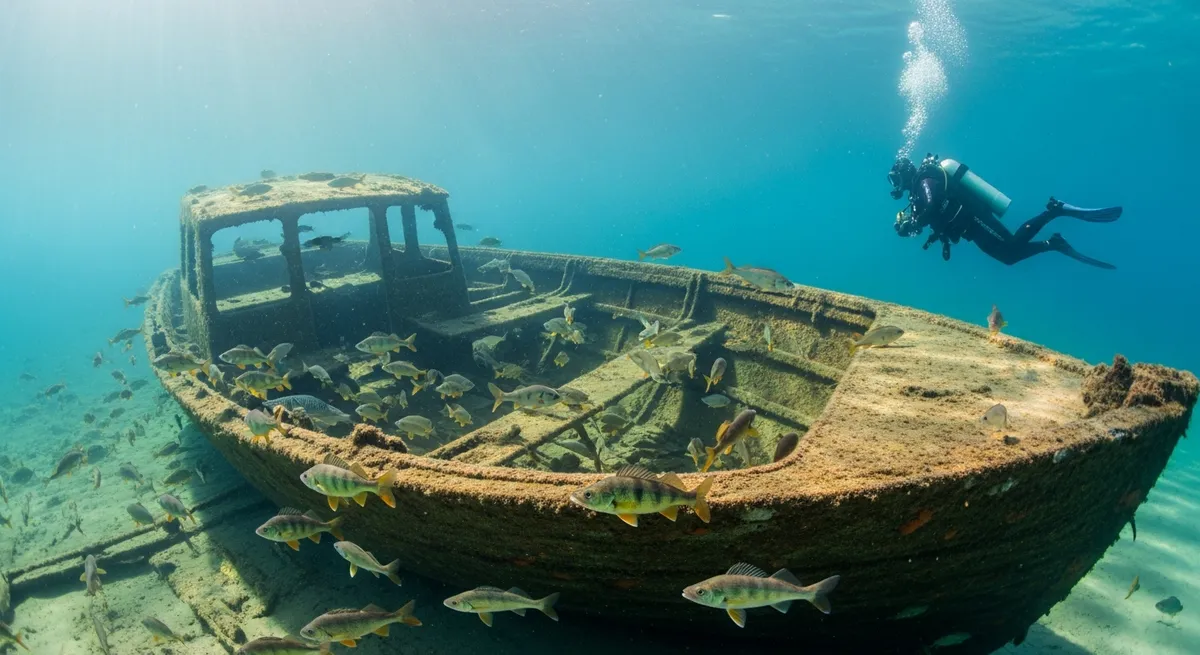
Diving the Prairie Lakes means a unique brand of freshwater exploration, quite different from ocean dives we're used to. Think glacial lakes, surprisingly clear, particularly in places like Clear Lake and West Hawk Lake. Visibility can be quite remarkable, letting you really take in the wrecks and the curious freshwater inhabitants. You'll likely spot pike lurking in the weeds, maybe a sizable Lake Sturgeon if you're lucky, and plenty of Yellow Perch. It’s an honest, refreshing change of pace, and certainly not what most people imagine when they picture diving in Canada.
Manitoba & Prairie Lakes Dive Site Map
Dive sites and dive centres in Manitoba & Prairie Lakes
Manitoba & Prairie Lakes Dive Sites
15 dive sites in Manitoba & Prairie Lakes
Alexander Reef
Alexander Reef might not be what you picture when you hear "reef." Forget the tropical corals; this is a freshwater dive through an entirely different kind of ecosystem. We're talking Algoma District, where the focus shifts to species like the Jasper Longnose Sucker gliding over rocks and the quick dart of a Nine-spined Stickleback. It’s a quiet dive, often with decent visibility, giving you a chance to spot Cisco or even the occasional Slimy Sculpin tucked away. If you're keen on exploring what lies beneath Canada’s freshwater lakes, and appreciate the subtle beauty of endemic fish, Alexander Reef offers a genuinely unique perspective.
Bow
The Bow site in Manitoba offers cold water diving with a focus on freshwater species. We’ve spotted Nine-spined Stickleback, Cisco, and Rainbow Smelt here. It’s a good option for divers keen on observing specific fish behaviour in a lake environment, rather than extensive reef structures. Ideal for local divers or those specifically interested in northern lake ecosystems.
Dixon Reef
Dixon Reef, sitting in Manitoba's freshwater depths, offers a unique kind of exploration. You'll find a surprising array of cold-water species here, like lake whitefish and burbot, moving through the rocky formations. It’s a good spot for divers looking for something different from the usual tropical scene, a quiet dive focused on freshwater biology. Visibility can vary, so patience pays off.
Edmund Fitzgerald
Okay, let’s talk about the *Edmund Fitzgerald*. Forget what you think you know about diving in Canada, especially the prairies. This isn’t a warm water drift dive, not by a long shot. What you’re signing up for here is history, cold, and a quiet respect for a legendary wreck. We’re talking about a freighter that sank in 1975, famously immortalised in song. It’s deep, it’s dark, and it’s an advanced dive for a reason. Dropping down, the sheer scale of the *Fitzgerald* becomes apparent. She lies in two main pieces, separated by about 50 metres, and the bow section is surprisingly intact for how she went down. Our favourite part has to be the pilothouse, still somewhat recognisable, giving you a chilling sense of the last moments. Visibility can range from surprisingly good to pea soup, so be prepared for anything, and bring strong lights. Down here, it’s about the wreck itself; the Cisco and Rainbow Smelt are present, sure, but they’re just supporting characters to the main event. This dive is for those who crave a profound connection to history, for wreck divers who understand the gravity of a site, and for anyone who wants to say they’ve paid their respects to the ‘Mighty Fitz’. It’s an experience that stays with you.
Griffon Reef
Griffon Reef offers a unique freshwater coral experience in Ontario, Canada. Divers will fin over ancient coral structures, an unusual sight so far inland. Keep an eye out for Lake Whitefish, Cisco, and various stickleback species navigating the coral. This site is best for divers looking to explore an uncommon freshwater ecosystem.
Jenny Lynn
The Jenny Lynn isn't your typical wreck dive, and that's precisely why we love it. At a mere 1.3 meters deep, this isn't about pushing limits or long bottom times; it's about a unique encounter with history, perfectly preserved by the cold, fresh water of Lake Winnipeg. We’d describe it as an open-air museum, a skeletal remains of a fishing tug that met its end over a century ago. You’ll spend your time here exploring the ribs and frame, feeling the smooth, cold wood that still holds its shape against the gentle lapping of the water. Sunlight filters through the shallow surface, illuminating the structure in a way you rarely see on deeper wrecks. Our favourite part? How the light plays on the wooden hull, making the old timbers almost glow. It’s a photographer's dream for natural light shots, particularly in the late morning. This site is ideal for those who appreciate the quiet contemplation of a historical site and a different kind of dive challenge. It’s also a perfect spot for refining your buoyancy skills without the pressure of depth.
Lake Wolsley
Lake Wolsley offers divers a chance to explore a freshwater environment in Manitoba. Expect to find typical prairie lake inhabitants, perhaps some freshwater fish or invertebrates if you look closely. It’s a good spot for local divers looking for a convenient, relaxed dip, or those practicing skills without the complexities of ocean diving. Visibility can vary, so be prepared for a greener experience.
Leonard Reef
Diving Leonard Reef means exploring a freshwater coral reef, an unusual find in Manitoba. While there isn't a riot of color like tropical corals, the structure itself is a fascinating geological feature. We’ve spotted pike lurking in the crevices and schools of Yellow Perch darting past. It's a dive for those interested in geology and the unique adaptations of freshwater fish.
McAllister Reef
McAllister Reef is one of the few natural coral reefs we’ve found in the Manitoba & Prairie Lakes region. It’s an interesting site, though not what most divers picture when they think “coral reef.” Here, you'll likely spot species like Mottled Sculpin, Yellow Perch, and pike moving through the corals. It's a solid choice for local divers keen to explore freshwater ecosystems and observe unique regional fish species.
Midship
Midship offers a different kind of dive, suited for those curious about freshwater species. You'll likely encounter Cisco, Rainbow Smelt, and the Nine-spined Stickleback moving through the murk. It's a site for divers keen on observing specific fish behaviors rather than dramatic scenery or large pelagics. We'd say it’s best for macro photographers and those looking to tick off species for their logs.
Nanton Reef
Notable reef in Manitoba & Prairie Lakes, Canada. reef in Ontario, Canada.
Overturned Stern
The Overturned Stern offers a look at a small, broken wreck in the cool, low visibility waters of the prairies. You'll find the remains of a boat hull, lying upside down, providing shelter for Nine-spined Sticklebacks, Rainbow Smelt, and the occasional Cisco. It's a dive for those interested in local freshwater wrecks and a unique freshwater environment, not for coral or big pelagics.
Show all 15 dive sites in Manitoba & Prairie Lakes
Manitoba & Prairie Lakes Dive Centres
5 dive shops and operators in Manitoba & Prairie Lakes
Ocean Wildlife in Manitoba & Prairie Lakes
30 species recorded in Manitoba & Prairie Lakes
Manitoba & Prairie Lakes Daylight & Sunrise/Sunset
Sunrise and sunset times for Manitoba & Prairie Lakes, calculated from coordinates
Today - Sunday 11 October
Sunrise
05:49
Sunset
17:02
Daylight
11h 13m
Golden Hour
16:21
First light (dawn) at 05:19 · Last light (dusk) at 17:32
Monthly Averages
| Month | Sunrise | Sunset | Daylight |
|---|---|---|---|
| Jan | 07:20 | 16:16 | 8h 56m |
| Feb | 06:45 | 17:02 | 10h 17m |
| Mar | 05:54 | 17:42 | 11h 49m |
| Apr | 04:53 | 18:25 | 13h 31m |
| May | 04:06 | 19:05 | 14h 59m |
| JunLongest | 03:45 | 19:34 | 15h 49m |
| Jul | 03:59 | 19:30 | 15h 31m |
| Aug | 04:36 | 18:52 | 14h 16m |
| Sep | 05:15 | 17:54 | 12h 39m |
| OctNow | 05:55 | 16:55 | 11h 0m |
| Nov | 06:40 | 16:07 | 9h 27m |
| DecShortest | 07:16 | 15:51 | 8h 35m |
Times are approximate local times based on longitude. Actual times may vary slightly depending on the exact timezone observed in Manitoba & Prairie Lakes.
Where to Stay near Manitoba & Prairie Lakes
Prices from Booking.com. We may earn a commission at no extra cost to you.
Marine Protected Areas near Manitoba & Prairie Lakes
907 protected areas near Manitoba & Prairie Lakes - please respect local regulations when diving
Tuvaijuittuq Marine Protected Area
Tang.ɢ̲wan - ḥačxʷiqak - Tsig̱is Marine Protected Area
Northeast Newfoundland Slope Closure
Eastern Canyons Marine Refuge
Hatton Basin Marine Refuge
Davis Strait Marine Refuge
Hopedale Saddle Closure
Laurentian Channel Marine Protected Area
Scott Islands Marine National Wildlife Area
Division 3O Coral closure
Western and Emerald Banks Marine Refuge
Hawke Channel Closure
Showing 12 largest of 907
Getting to Manitoba & Prairie Lakes
Sault Ste Marie
Grand Rapids
Milwaukee
Plan & book
Ways to dive Manitoba & Prairie Lakes, from day trips to liveaboards.
Day trips & courses
via GetYourGuideGuided dives, courses and snorkel trips with instant booking.
Find dive trips in Manitoba & Prairie LakesPlaces to stay
via Booking.comHotels and dive resorts near Manitoba & Prairie Lakes.
Search stays in Manitoba & Prairie LakesDive insurance
Most travel insurance excludes or limits scuba. Check what you need before you go.
Dive insurance explainedPartner links: we may earn a commission if you book, at no extra cost to you. How we make money