
Diving in Mexico
Why dive here
Mexico offers rich diving, with 687+ marine species recorded in its waters - including barracuda, blue whales, bull sharks, dolphins and eagle rays. Water ranges 24-29°C, warmest August, September, October.
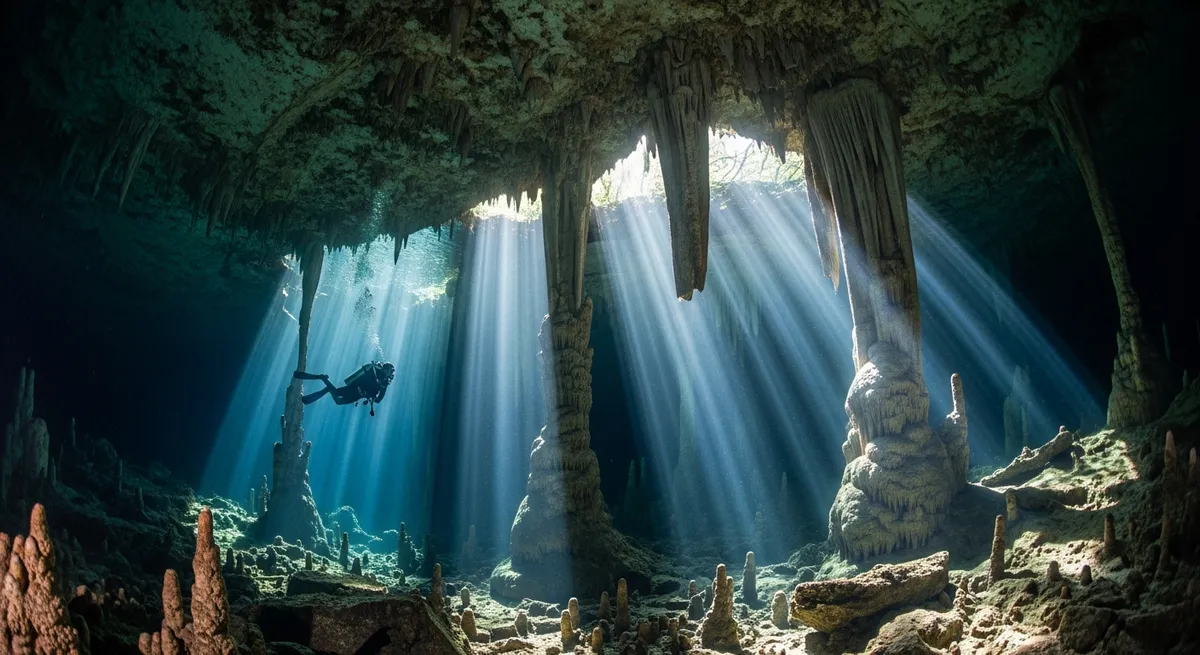
Mexico's a big country, and its diving landscape is just as varied. We're talking everything from the cool, dark cenotes of the Yucatán, where shafts of sunlight pierce through ancient rock formations, to the open Pacific where big animals cruise by. If you’re into the adrenaline of a drift dive, Cozumel really delivers, the current just pulls you along those healthy walls. But for us, the big draw has to be the Sea of Cortez and the Socorro Islands - the sheer volume of life out there, especially during the cooler months from November to May, is just phenomenal. Imagine having a massive manta ray hold still above you while you watch tiny cleaner wrasse do their work, or playfully interacting with sea lions. It's truly something else.
Mexico Dive Regions Map
Mexico Dive Regions
9 diving areas in Mexico
Cabo San Lucas
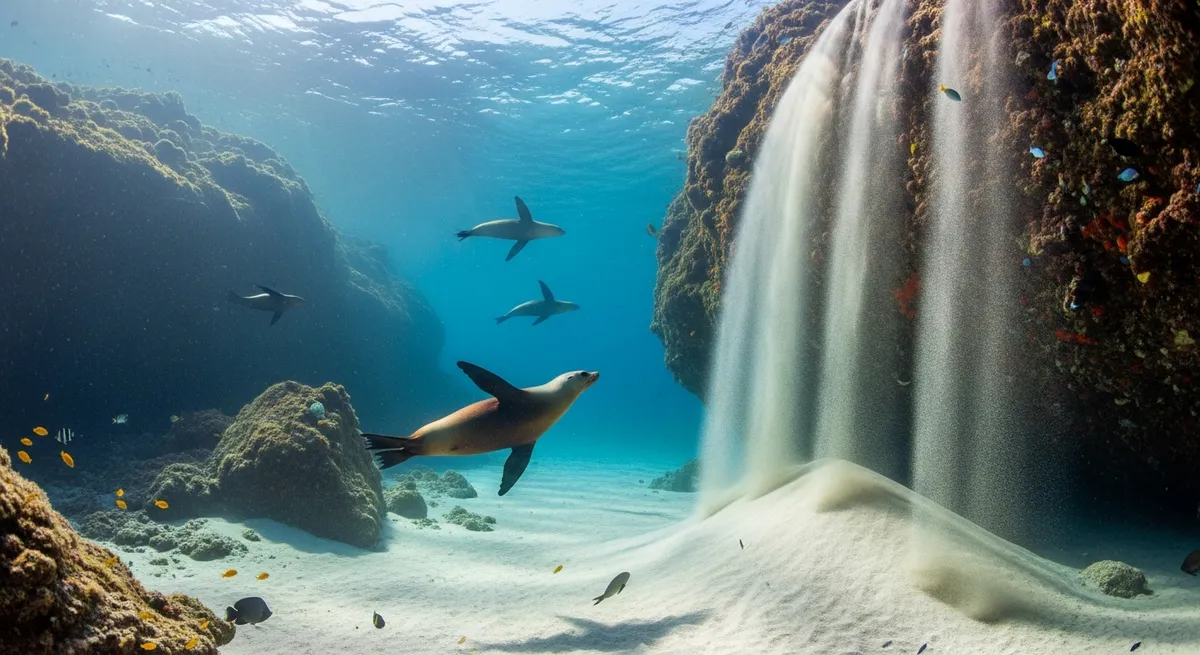
Where the Pacific meets the Sea of Cortez. The famous sand falls underwater cascade, hammerhead encounters, and sea lion colonies at Land's End.
Cozumel
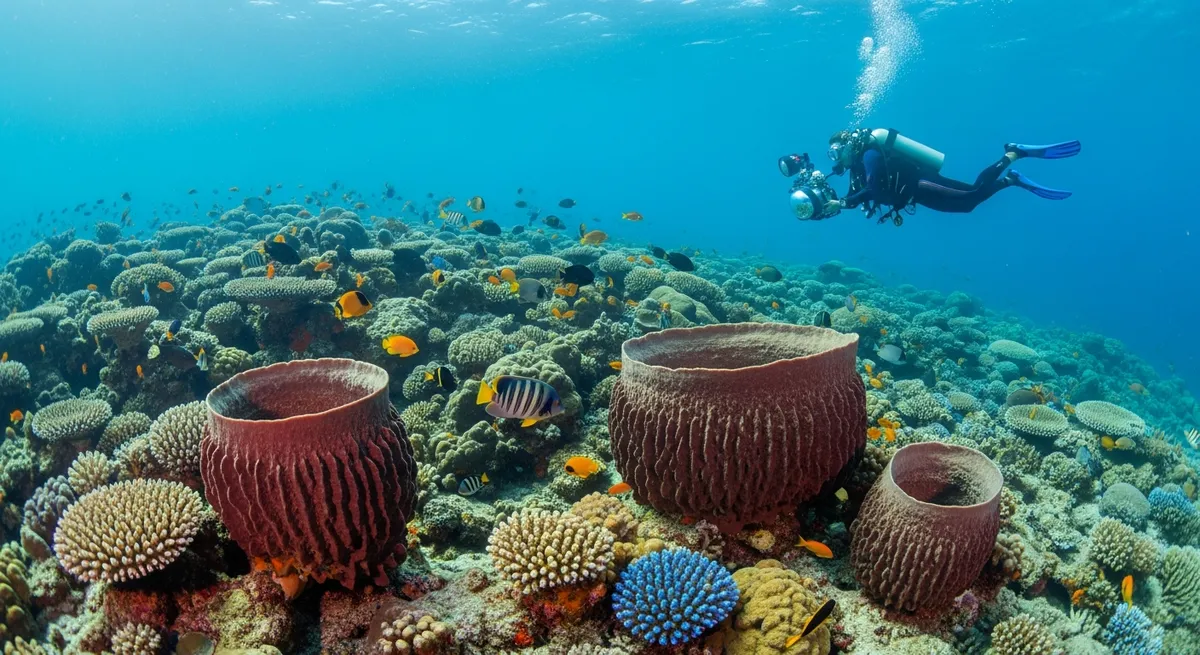
Cozumel diving, it’s a whole vibe. We love the sheer energy of the place, specifically how the currents sweep you along the Mesoamerican Barrier Reef. You’re not so much swimming as you are flying past enormous coral formations, often with schools of fusiliers so thick they block the light. Santa Rosa Wall is a classic, a sheer drop that feels like freefall, while Palancar Reef offers incredible visibility, sometimes 30 metres plus, with light shafts piercing through. Our favourite dive here is early morning, beating the crowds to see parrotfish and grunts still a bit sleepy in the crevices. The drift diving here is world-famous for good reason. The currents are a constant, so get comfortable with going with the flow. We often see the endemic splendid toadfish, their vibrant yellow markings standing out against the reef. Keep an eye out for brown garden eels swaying in the sand patches, and the intricate patterns of orangespotted filefish. While it can get busy, especially in peak season, those drift dives mean you’re covering serious ground, always seeing something new. It’s a place that just feels alive, a constant motion of water and fish.
Guadalupe Island
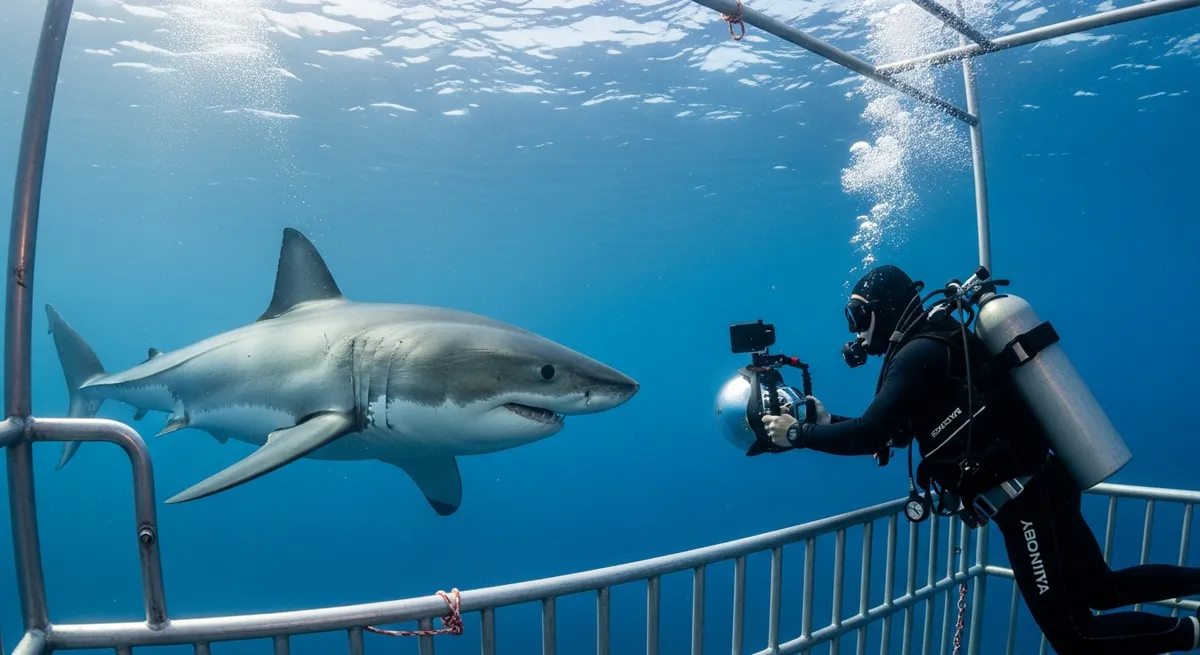
The world's premier great white shark cage diving destination with 30+ metres of visibility.
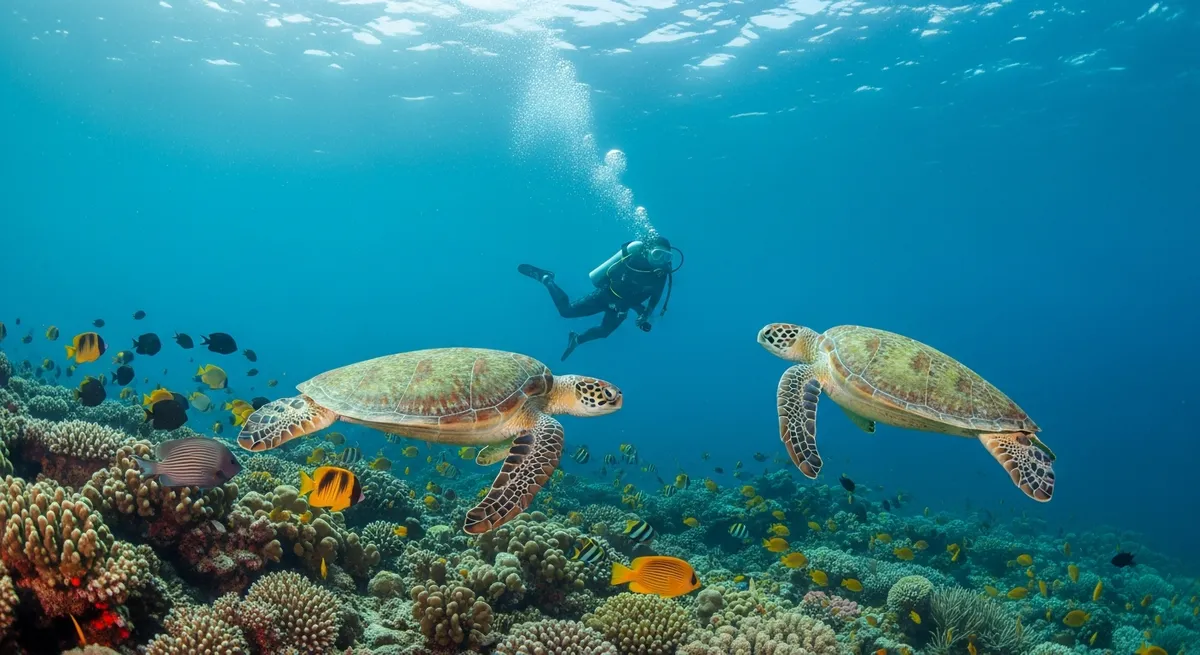
Huatulco
Pacific coast bay system with marine park diving, coral communities, and seasonal humpback whale encounters along the Oaxacan coast.
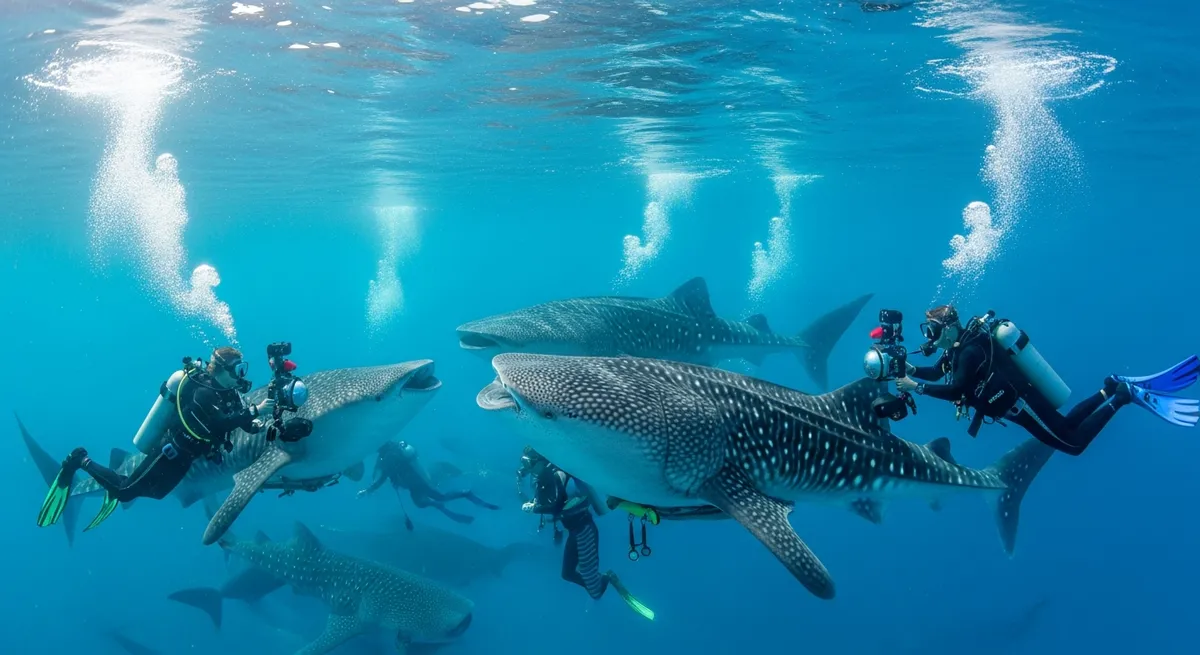
Isla Mujeres
Famous for seasonal whale shark aggregations (June-September), MUSA underwater sculptures, and the dramatic Cave of the Sleeping Sharks.
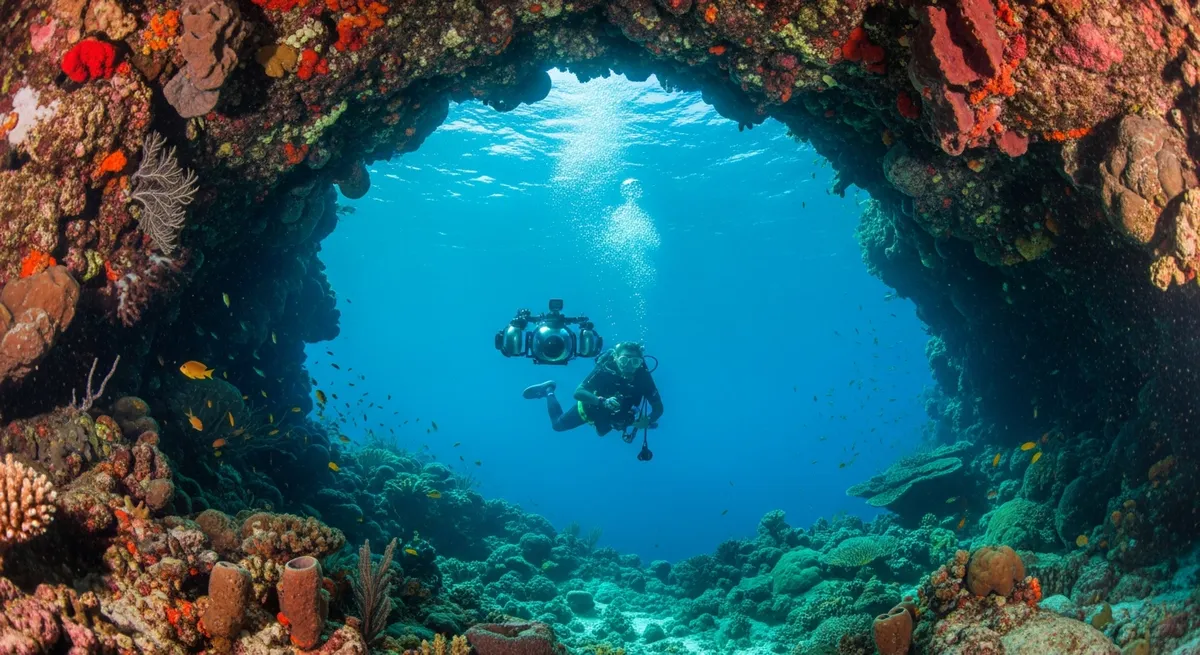
Riviera Maya
Caribbean reef diving combined with cenote adventures. Bull shark diving at Playa del Carmen.
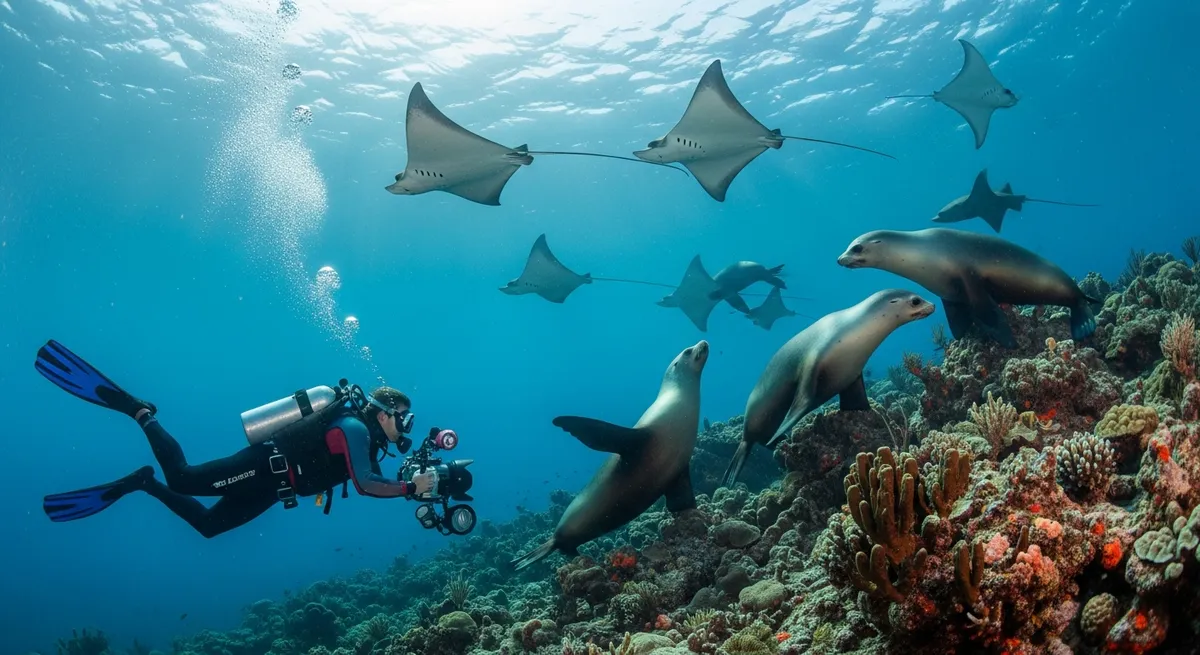
Sea of Cortez
The Sea of Cortez, the *aquarium du monde* as Cousteau called it, truly lives up to its name. We love this stretch of water for its sheer unpredictability; one day it's a calm drift past schooling scissortail chromis, the next you're eye-to-eye with a playful sea lion pup. Dive sites here range from gentle pinnacles to dramatic walls, many of them home to huge aggregations of mobula rays, especially in the late summer and fall. Keep an eye out for the smaller stuff too, like the moonstruck stargazer peering from the sand, or a bold orangethroat pikeblenny flitting around a rock. Our favourite time to visit is October through December, when the water still holds some warmth and the chances of spotting whale sharks are at their peak. It’s also when the sea lion colonies are particularly active, with young pups zipping around, tugging fins and generally putting on a show. Just remember that currents can pick up, particularly around the exposed seamounts, so a bit of experience certainly helps. The visibility isn't always Caribbean-clear, sometimes dropping to 10-15 meters, but the sheer volume of life more than makes up for it. We always come back feeling a little more connected to the wild side of diving here.
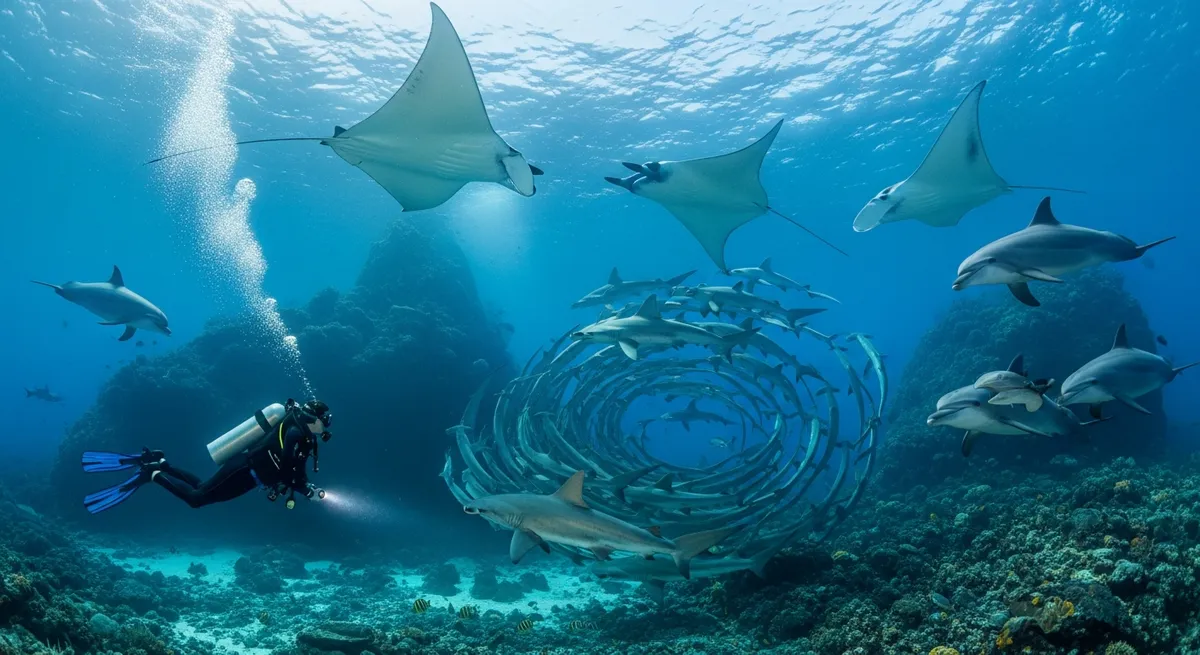
Socorro Islands
Socorro. Just the name makes us grin. This isn't a place for casual reef dives; it's a pilgrimage for those who want to feel small in the best possible way. We call it the Mexican Galápagos, and for good reason: the big stuff turns up here. Drop in at San Benedicto and you’ll instantly understand. Giant oceanic manta rays, sometimes three or four at once, will hover inches from your face, their wingtips almost brushing your mask. It’s an almost spiritual connection, something you feel rather than just see. The humpback whales, particularly from January to April, are phenomenal. Their songs vibrate through your chest, a deep hum that’s impossible to ignore even before you spot their massive forms breaching or fin-slapping on the surface. We’ve had hammerhead schools swim by at Roca Partida, a towering rock pinnacle that acts like a magnet for pelagics. The currents can be serious here, often pushing you along, so good buoyancy and comfort in chop are essential. This isn't a spot with local dive centers; you’ll need to commit to a liveaboard, but trust us, it’s worth every nautical mile.
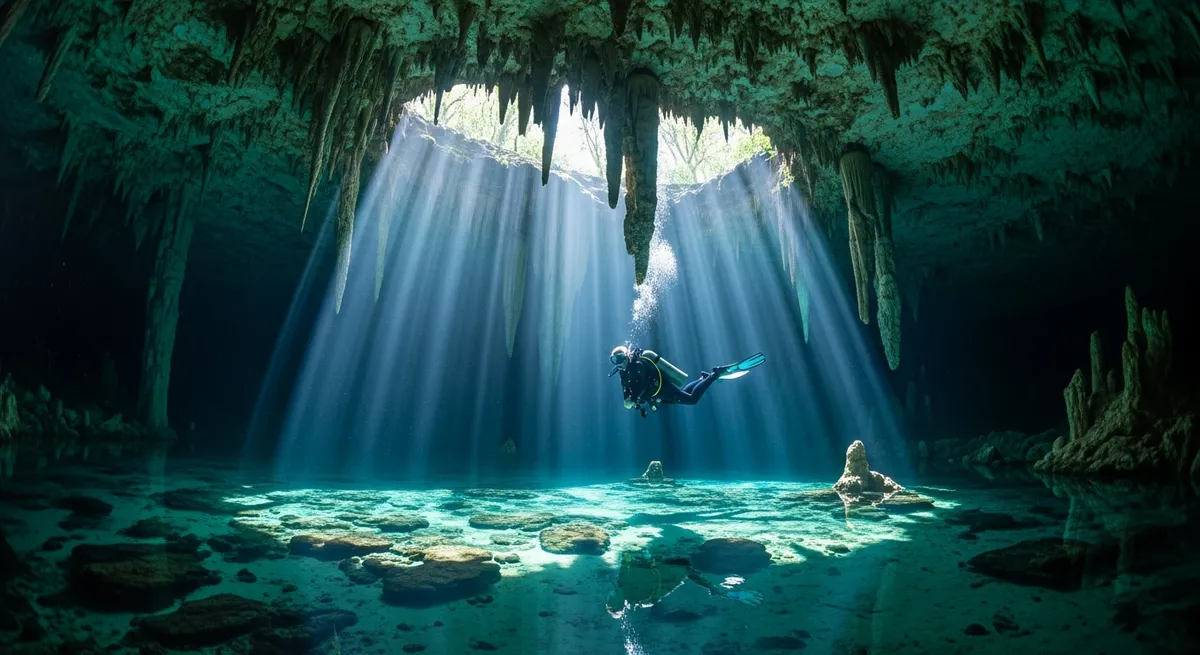
Yucatán Cenotes
Forget what you think you know about diving. The Yucatán Cenotes are a different beast entirely, and we absolutely love them for it. This isn't about reef fish or pelagics - though an occasional Lancer Stargazer or even a rare hammerhead might surprise you near an entrance. This is about light, shadow, and geological wonder. Descending into a cenote is like entering another world: shafts of sunlight pierce the jungle canopy, cutting through the absurdly clear freshwater like laser beams. You’ll weave between stalactites and stalagmites, following a guide line through passages that feel ancient and untouched. We’ve found that the best time to experience the famed light rays is generally late morning, usually between 11 AM and 1 PM, especially in popular spots like Dos Ojos or El Pit. It's truly magical watching the dust motes dance in those beams. Some of the deeper cenotes, like Angelita, offer an eerie hydrogen sulfide cloud that looks like an underwater river - a bizarre, unforgettable experience. Currents are non-existent, obviously, but buoyancy control is paramount. You don't want to kick up centuries of silt in these fragile systems. Our top tip? Hire a guide who knows the systems intimately; they’ll show you the subtle details you’d otherwise miss, like a tiny Pallid Goby darting between rocks. It's challenging, incredibly rewarding diving, and utterly unlike anything else on the planet.
Ocean Wildlife in Mexico
687 species recorded in Mexico
Mexico Visa Requirements
Check if you need a visa to dive in Mexico
Plan & book
Ways to dive Mexico, from day trips to liveaboards.
Day trips & courses
via GetYourGuideGuided dives, courses and snorkel trips with instant booking.
Find dive trips in MexicoPlaces to stay
via Booking.comHotels and dive resorts near Mexico.
Search stays in MexicoDive insurance
Most travel insurance excludes or limits scuba. Check what you need before you go.
Dive insurance explainedPartner links: we may earn a commission if you book, at no extra cost to you. How we make money