James Rock
Why dive here
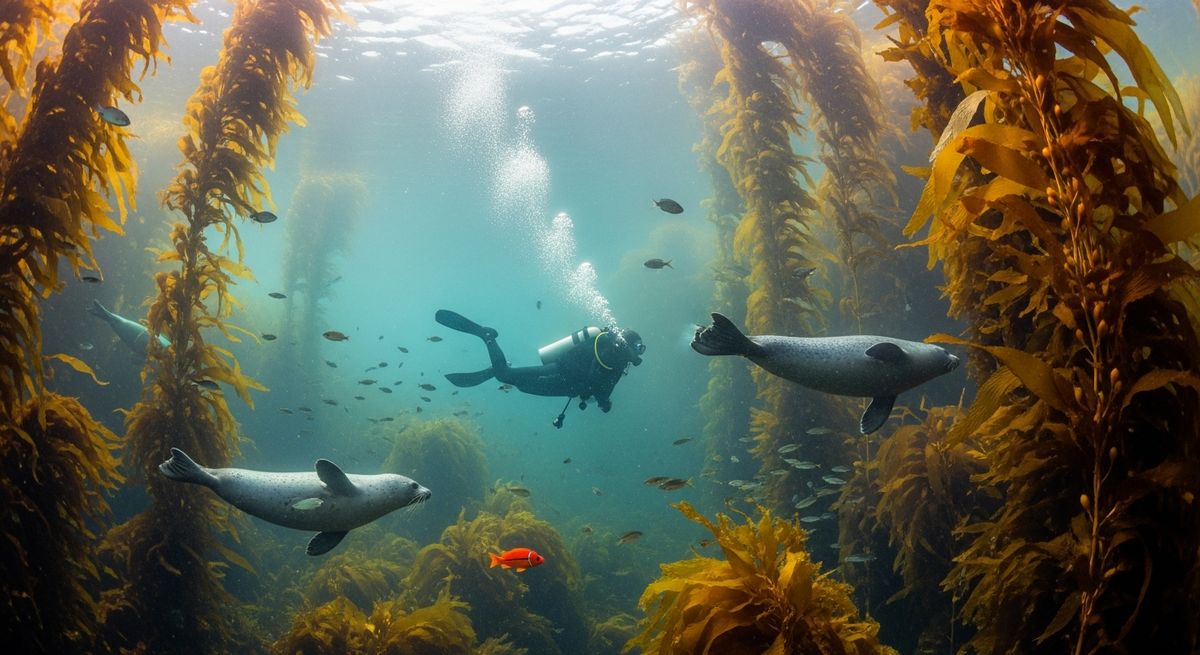
With 58+ marine species recorded in the area - including blue sharks, blue whales, humpback whales, orcas and seals & sea lions - James Rock offers some of Alaska's richest diving. Water ranges 5-15°C, warmest July, August, September.
James Rock is a distinctive dive, even for Alaska. We find it’s best when the currents are mild, allowing us to really take in the deep rock formations. You'll likely spot plenty of California spot prawns tucked into crevices, and a few different cormorant species often zip past overhead. Look out for the spotted ratfish on the silty bottom, they’re always a peculiar find. It's a solid choice for divers who appreciate the unique beauty of cold-water diving and want to see some resilient Alaskan residents.
Safety Notes
Cold water this month (avg 11°C). Drysuit or thick wetsuit (7mm+) recommended.
Reviews for James Rock
Conditions
Ocean conditions, forecast and tides for James Rock
James Rock Ocean Conditions
Monthly averages for James Rock, sourced from Open-Meteo marine data - nearest station: Open-Meteo marine grid (57, -135.4) (0km away)
October Averages
Sea Temperature
11°C
51°F · Range: 8.5–12.8°C
Air Temperature
8°C
47°F
Wind Speed
6.44 m/s
12.5 knots
Atmospheric Pressure
1007.9 hPa
Based on 4 years of monitoring data · Data sources: Open-Meteo marine data
Plan & book
Ways to dive Alaska, from day trips to liveaboards.
Day trips & courses
via GetYourGuideGuided dives, courses and snorkel trips with instant booking.
Find dive trips in AlaskaPlaces to stay
via Booking.comHotels and dive resorts near Alaska.
Search stays in AlaskaDive insurance
Most travel insurance excludes or limits scuba. Check what you need before you go.
Dive insurance explainedPartner links: we may earn a commission if you book, at no extra cost to you. How we make money
Where to Stay near James Rock
Prices from Booking.com. We may earn a commission at no extra cost to you.