Keauhou Bay
Protected Area
Kealakekua Bay Marine Life Conservation District
Why dive here
Keauhou Bay is a drift dive where divers can encounter blue sharks, sea turtles and sperm whales. Water ranges 25-28°C, warmest August, September, October.
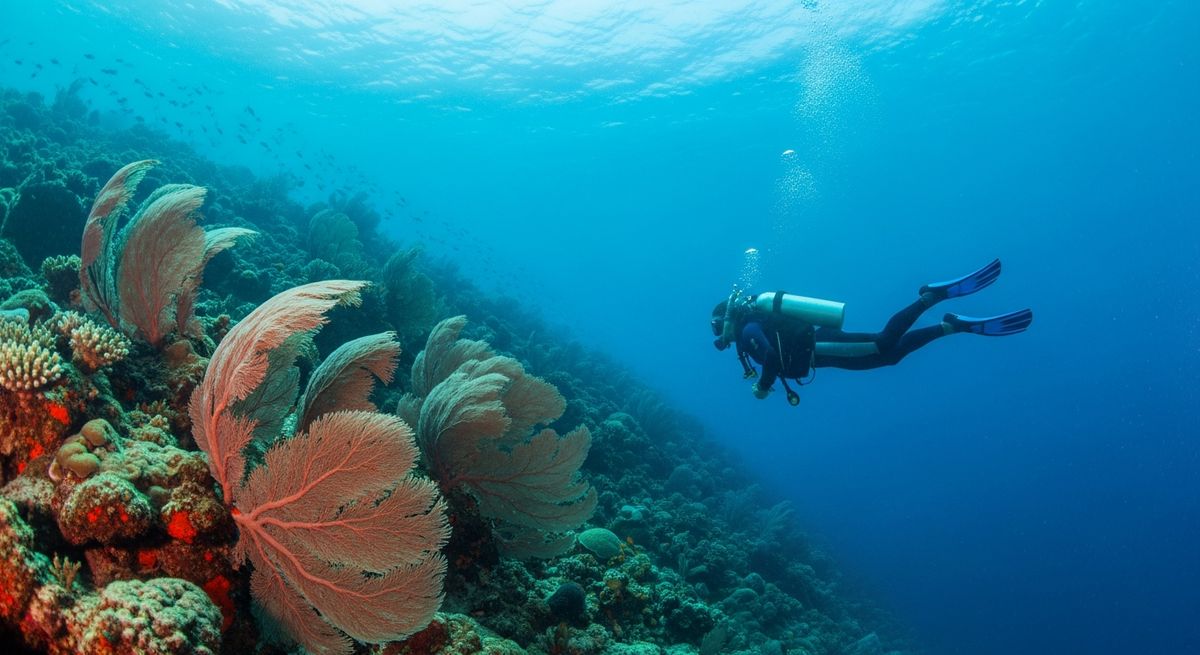
Keauhou Bay, right off the Sheraton, is a solid little spot for an easy beach entry, especially if you’re staying nearby. We’ve always appreciated how straightforward it is to gear up and just walk in. The reef maxes out around 17 meters, so it’s a calm, shallow dive, perfect for stretching out a long bottom time. During the day, we often see parrotfish munching away on the coral, and the occasional whitetip reef shark cruises by. Keep an eye out for eagle rays gliding past in the blue. Our favorite time to dive Keauhou, though, is after sunset. That’s when the mantas often come to feed on the plankton attracted by the resort lights. Descending into the darkness and having one of those giants gracefully circle just inches away is a moment that genuinely sticks with you. You'll want to watch for boat traffic in the middle of the bay, but closer to shore, it’s usually clear. This is a great dive for anyone looking for a relaxed outing, day or night, without the hassle of a boat trip.
Safety Notes
Drift dive - carry a surface marker buoy (SMB) and stay with your group. Brief the current direction before entry.
Nearest Dive Centres to Keauhou Bay
Dive shops near Keauhou Bay
Jack’s Diving Locker
Boss Frog's Dive & Surf
Pacific Rim Divers Limited
Kona Honu Divers
Aquatic Life Divers
Blue Wilderness Dive Adventures Corp.
Reviews for Keauhou Bay
Conditions
Ocean conditions, forecast and tides for Keauhou Bay
Keauhou Bay Ocean Conditions
Monthly averages for Keauhou Bay, sourced from Open-Meteo marine data + Copernicus Marine (EU) - nearest station: Open-Meteo marine grid (20.73, -156.95) (9km away)
October Averages
Sea Temperature
27°C
81°F · Range: 26.7–28.4°C
Current Speed
11.31 cm/s
Direction: NW (315°)
Chlorophyll-a
0.035 mg/m³
Very clear (oligotrophic)
Salinity
35.58 PSU
Based on 4 years of monitoring data · Data sources: Open-Meteo marine data + Copernicus Marine (EU)
Plan & book
Ways to dive Hawaii, from day trips to liveaboards.
Day trips & courses
via GetYourGuideGuided dives, courses and snorkel trips with instant booking.
Find dive trips in HawaiiPlaces to stay
via Booking.comHotels and dive resorts near Hawaii.
Search stays in HawaiiDive insurance
Most travel insurance excludes or limits scuba. Check what you need before you go.
Dive insurance explainedPartner links: we may earn a commission if you book, at no extra cost to you. How we make money
Where to Stay near Keauhou Bay
Prices from Booking.com. We may earn a commission at no extra cost to you.