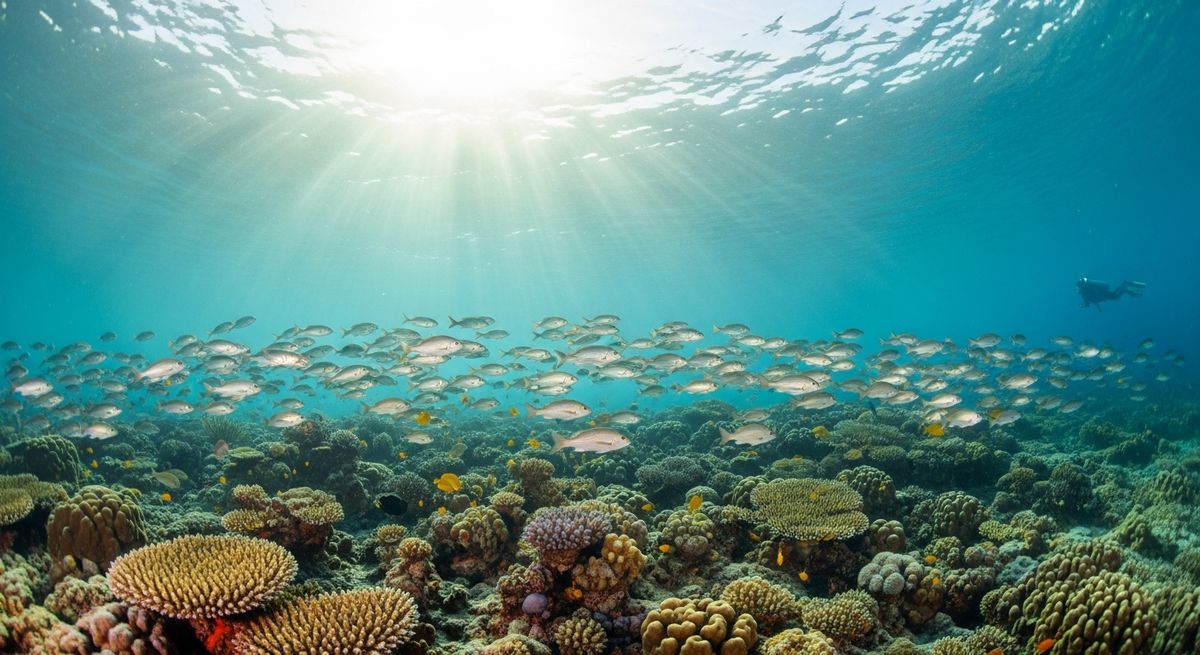
Molokini Crater
Protected Area
Offshore Island, Molokini Seabird Sanctuary, Light
Why dive here
Molokini Crater is a reef dive where divers can encounter blue sharks, sea turtles and sperm whales. Water ranges 25-28°C, warmest August, September, October.
Molokini Crater. We’ve heard the whispers, seen the postcards, and yes, it *is* worth the early start. You’re heading out with a dozen other boats, no doubt, but once you slip into that water, the noise fades. Inside the crescent, it’s like diving in an aquarium. The visibility often stretches 40 metres, making it easy to spot the colourful Arc-eye Hawkfish darting among the Pavona coral. We love drifting along the reef, watching the schools of Gendarme fish flicker in the sun. It’s calm, almost meditative, and perfect for getting your buoyancy dialed in. Now, for the real treat, if conditions allow, we head to the ‘back wall’. This is where Molokini really shows its teeth. The wall plunges into the deep, and the current picks up. This is where you might catch a glimpse of a whitetip reef shark patrolling or a sleek Unicornfish cruising by. Keep an eye out for Dragon wrasse tucked into crevices. It’s a completely different vibe out here, more dramatic, less sheltered. Our pick is always the early morning dive; you beat some of the crowds and the light piercing through the water is just something else. Come summer, the waters are at their calmest, but even in winter, Molokini offers a stunning contrast between its placid interior and the thrilling depths of its outer wall.
Typical Molokini Crater Dive Profile
Illustrative profile based on site depth and type. Actual dive profiles vary - always follow your dive computer and training.
Nearest Dive Centres to Molokini Crater
Dive shops near Molokini Crater
Maui Under Sea Adventures
Scuba Luv Maui
Maui Dreams Dive Co.
Maui Dive Shop
Snorkel Bob's
Maui Pacific Divers
Reviews for Molokini Crater
Conditions
Ocean conditions, forecast and tides for Molokini Crater
Molokini Crater Ocean Conditions
Monthly averages for Molokini Crater, sourced from Open-Meteo marine data + Copernicus Marine (EU) - nearest station: Open-Meteo marine grid (20.73, -156.95) (9km away)
October Averages
Sea Temperature
27°C
81°F · Range: 26.7–28.4°C
Current Speed
11.31 cm/s
Direction: NW (315°)
Chlorophyll-a
0.035 mg/m³
Very clear (oligotrophic)
Salinity
35.58 PSU
Based on 4 years of monitoring data · Data sources: Open-Meteo marine data + Copernicus Marine (EU)
Plan & book
Ways to dive Hawaii, from day trips to liveaboards.
Day trips & courses
via GetYourGuideGuided dives, courses and snorkel trips with instant booking.
Find dive trips in HawaiiPlaces to stay
via Booking.comHotels and dive resorts near Hawaii.
Search stays in HawaiiDive insurance
Most travel insurance excludes or limits scuba. Check what you need before you go.
Dive insurance explainedPartner links: we may earn a commission if you book, at no extra cost to you. How we make money
Where to Stay near Molokini Crater
Prices from Booking.com. We may earn a commission at no extra cost to you.