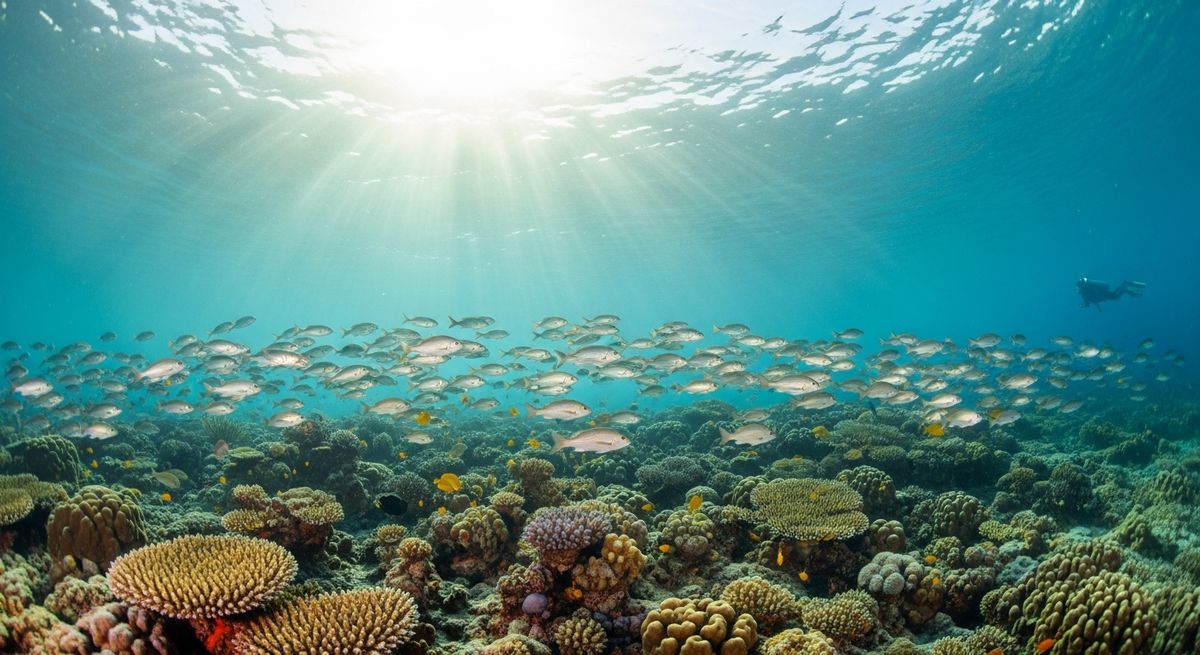
Humphries Reef
Why dive here
With 35+ marine species recorded in the area - including humpback whales, orcas and seals & sea lions - Humphries Reef offers some of Pacific Northwest's richest reef diving. Water ranges 7-17°C, warmest July, August, September.
Humphries Reef, up in the Pacific Northwest, is a site we’ve always enjoyed, especially for its genuine cold-water charm. It’s not about vibrant colours here, you’re diving into a world of rich, muted greens and browns, a different kind of beauty. We love the sheer density of life clinging to every surface, particularly those big sunflower stars draped over the rocks. Look closely, and you’ll spot roughpatch shrimp tucked into crevices or a daubed shanny camouflaged perfectly against the substrate. Our favourite finds are always the giant octopuses, sometimes you just see an eye peeking out from under a ledge, other times they’re stretching an arm out to investigate. It’s a site that rewards slow diving, hovering and observing, rather than rushing through. Expect cooler temperatures, around 8-12°C, so a good drysuit is a must. Visibility can vary, but on a good day, it’s a solid 10-15 metres, enough to really appreciate the scale of the reef. We’d suggest a morning dive here, before any boat traffic stirs things up too much. It’s an excellent spot for photographers keen on macro life and patient wide-angle shots of the reef structure.
Safety Notes
Cold water this month (avg 11°C). Drysuit or thick wetsuit (7mm+) recommended.
Reviews for Humphries Reef
Conditions
Ocean conditions, forecast and tides for Humphries Reef
Humphries Reef Ocean Conditions
Monthly averages for Humphries Reef, sourced from NOAA NDBC + Copernicus Marine (EU) - nearest station: 9449880 - Friday Harbor, WA (27km away)
October Averages
Sea Temperature
11°C
53°F · Range: 9.6–11.4°C
Air Temperature
11°C
51°F
Current Speed
3.16 cm/s
Direction: E (108.4°)
Salinity
23.61 PSU
Wind Speed
1.8 m/s
3.5 knots
Atmospheric Pressure
1018.3 hPa
Based on 5 years of monitoring data · Data sources: NOAA NDBC + Copernicus Marine (EU)
Plan & book
Ways to dive Pacific Northwest, from day trips to liveaboards.
Day trips & courses
via GetYourGuideGuided dives, courses and snorkel trips with instant booking.
Find dive trips in Pacific NorthwestPlaces to stay
via Booking.comHotels and dive resorts near Pacific Northwest.
Search stays in Pacific NorthwestDive insurance
Most travel insurance excludes or limits scuba. Check what you need before you go.
Dive insurance explainedPartner links: we may earn a commission if you book, at no extra cost to you. How we make money
Where to Stay near Humphries Reef
Prices from Booking.com. We may earn a commission at no extra cost to you.