The Southern Red Sea
Why dive here
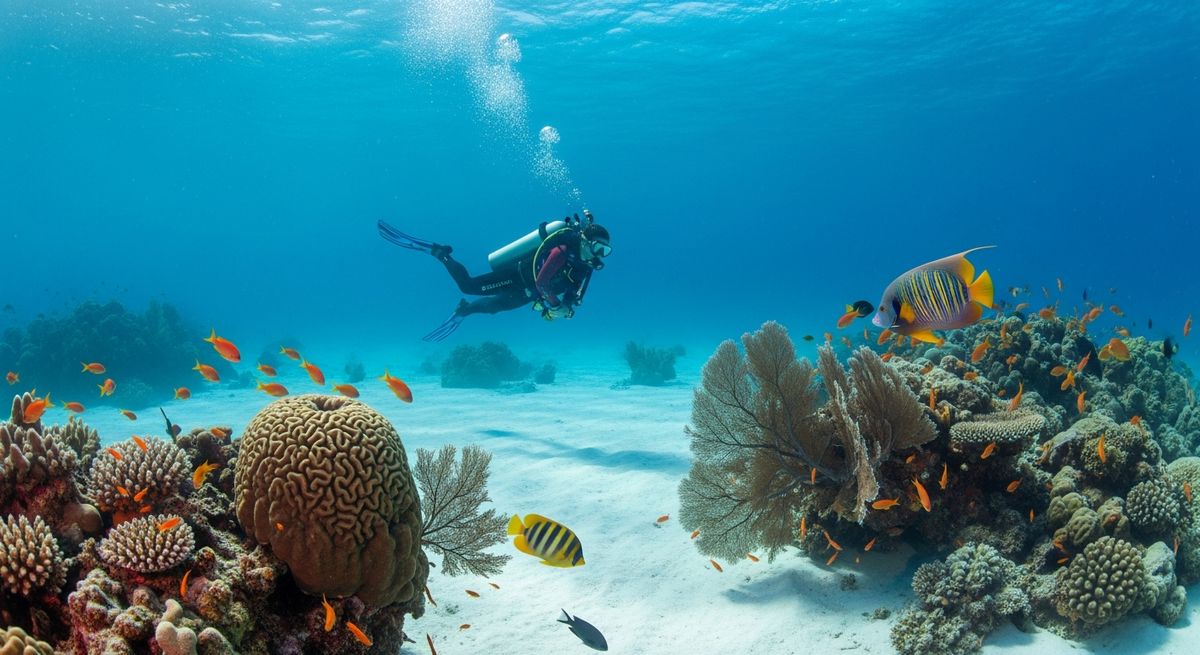
With 52+ marine species recorded in the area - including dolphins, humpback whales, oceanic whitetip sharks, spinner dolphins and whale sharks - The Southern Red Sea offers some of Deep South's richest diving. Water ranges 22-31°C, warmest July, August, September.
If you’ve spent a bit of time finning around the northern Red Sea, and you're looking for something more, heading south is a solid bet. We’re talking about places like The Brothers, Daedalus, and St. John's. These deep south sites really deliver on the pelagic action, with oceanic whitetips often cruising by, especially around the exposed reefs. You'll find incredible coral structures, too, usually holding huge schools of fusiliers and snapper that just envelop you. It’s definitely a step up for experienced divers keen to get away from the crowds and into some serious open-ocean encounters.
Nearest Dive Centres to The Southern Red Sea
Dive shops near The Southern Red Sea
Scuba Store Dive Shop
Wanderlust Blue
Ducks Diving Superior
Red Sea Diving Safari - Nakari Village
Coraya Divers Brayka Bay
Scuba World Divers - Lagoon View
Reviews for The Southern Red Sea
Conditions
Ocean conditions, forecast and tides for The Southern Red Sea
The Southern Red Sea Ocean Conditions
Monthly averages for The Southern Red Sea, sourced from Open-Meteo marine data - nearest station: Open-Meteo marine grid (25.3, 34.78) (1km away)
October Averages
Sea Temperature
27°C
81°F · Range: 25.7–28.9°C
Air Temperature
29°C
83°F
Wind Speed
7.55 m/s
14.7 knots
Atmospheric Pressure
1011.6 hPa
Based on 4 years of monitoring data · Data sources: Open-Meteo marine data
Plan & book
Ways to dive Deep South, from day trips to liveaboards.
Day trips & courses
via GetYourGuideGuided dives, courses and snorkel trips with instant booking.
Find dive trips in Deep SouthPlaces to stay
via Booking.comHotels and dive resorts near Deep South.
Search stays in Deep SouthDive insurance
Most travel insurance excludes or limits scuba. Check what you need before you go.
Dive insurance explainedPartner links: we may earn a commission if you book, at no extra cost to you. How we make money
Where to Stay near The Southern Red Sea
Prices from Booking.com. We may earn a commission at no extra cost to you.