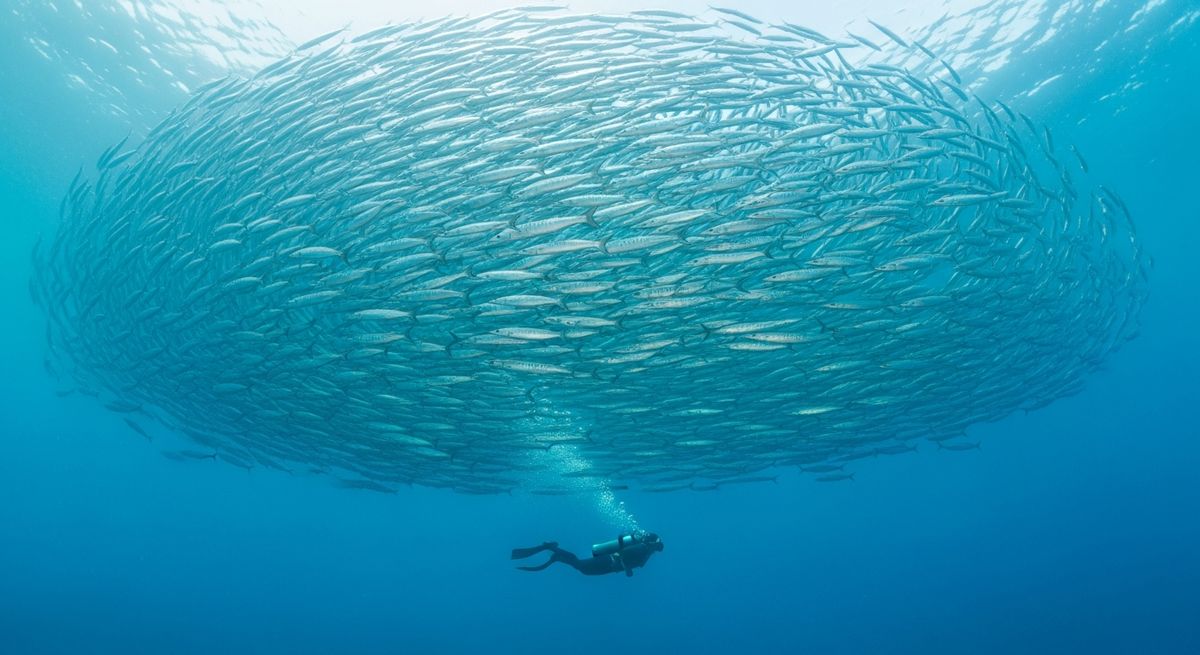
Taurus e Virgo - Fernando de Noronha

Whalers Bay is classic Kaikōura diving, and for us, it's a standout for a few reasons. The site sits just around the corner from South Bay, a quick boat hop, and immediately you’re into thick kelp forests draped over rocky reefs. It’s a completely different vibe than some of the deeper offshore stuff; here, the focus is on macro and the resident characters. We love finning slowly through the kelp, keeping an eye out for the Kaikoura-specific Pug-nosed Eels peeking from crevices, or the wonderfully camouflaged Snakeskin Chitons clinging to rocks. You’ll spot Wandering Anemones, Royal Albatrosses often soar overhead, and we’ve seen countless inquisitive New Zealand Fur Seals here. They absolutely own this bay, often zipping past or resting on the surface. Visibility averages around 6m, which sounds low, but it actually enhances the experience. It creates this atmospheric, moody environment, making every discovery feel more intimate. The sand channels between the kelp are worth exploring for crabs and unique pipehorses. This site suits divers who appreciate a slower pace, enjoying the hunt for smaller, fascinating creatures in a vibrant, cool-water ecosystem. It’s also incredibly sheltered, making it a reliable option when other sites are too exposed.

Location
Fernando de Noronha, Brazil, South America
Coordinates
-8.079100, -34.700500

Marine Protected Area: Área De Relevante Interesse Ecológico Orla Marítima

Best Time to Dive in Fernando de Noronha

The warmest water temperatures in Fernando de Noronha occur in April, averaging 29.1°C. The coolest conditions are in September at 26.9°C.

Monthly Water Temperatures

  • January: 28.1°C
  • February: 28.6°C
  • March: 28.9°C
  • April: 29.1°C
  • May: 28.7°C
  • June: 28.2°C
  • July: 27.4°C
  • August: 27.0°C
  • September: 26.9°C
  • October: 27.1°C
  • November: 27.6°C
  • December: 27.9°C

Nearby Dive Sites in Fernando de Noronha

Nearest Dive Centres to Taurus e Virgo

Marine Life in Fernando de Noronha

Home to 45 recorded species including 42 reef fish, 1 seagrass & algae, 1 hard corals, 1 other.

Notable Species

Recommended Packing List for Taurus e Virgo

Based on average water temperature of 28.0°C, currents 29 cm/s.

  • Shorty or Rashguard - warm 28°C water needs minimal exposure protection
  • Mask - essential for every dive
  • Fins (stiff blade recommended for strong currents)
  • BCD - buoyancy compensator
  • Regulator - your most safety-critical piece of gear
  • Dive Computer - tracks depth, time, and NDL
  • Surface Marker Buoy (SMB) - essential for boat pickups
  • Dive Torch - useful for crevices and colour at depth
  • Underwater Camera - capture your diving memories

Frequently Asked Questions

What is the typical depth for diving the Taurus e Virgo wrecks?
The Taurus e Virgo wrecks are typically dived around 20 meters deep. Divers can explore these sites safely, with a maximum depth of 25 meters. This relatively shallow profile makes it an accessible and enjoyable dive.
What kind of marine life and wreck features can divers expect to see at the Taurus e Virgo dive site?
At the Taurus e Virgo dive site, divers can explore two distinct wrecks, located about 20 meters apart, with opportunities for safe penetrations. These wrecks are vibrant habitats, hosting giant schools of grunts and porkfish. Additionally, you can expect to encounter various other reef fish, along with occasional sightings of nurse sharks, rays, and turtles, making for a rich marine life experience.
How challenging is the Taurus e Virgo dive site for recreational divers?
The Taurus e Virgo dive site is considered to be of intermediate difficulty for recreational divers. While it offers great safety for possible penetrations and is relatively shallow, reaching a maximum depth of 25 meters, divers should have appropriate experience for wreck diving. This rating suggests it's suitable for divers beyond entry-level certification.
What is the best time of year to dive the Taurus e Virgo wrecks for optimal conditions?
Based on the provided data, there is no specific information regarding the best time of year to dive the Taurus e Virgo wrecks for optimal conditions. For general guidance on diving seasons in the region, you might consult our When to Dive section.
What scuba diving certifications are required or recommended to dive the Taurus e Virgo site?
While specific certification requirements are not detailed, given the Taurus e Virgo dive site's intermediate difficulty and opportunities for wreck penetrations, an Advanced Open Water Diver certification or a specialty in Wreck Diving would be highly recommended. This ensures divers have the necessary skills and experience to safely enjoy the site's features.
What are the typical current conditions and visibility like at the Taurus e Virgo dive site?
Divers visiting the Taurus e Virgo dive site can expect excellent visibility, averaging around 23 meters. However, the provided data does not specify the typical current conditions for this site. It's always advisable to check local conditions with your dive operator before diving.