Walsa
Protected Area
Área De Relevante Interesse Ecológico Orla Marítima
Why dive here
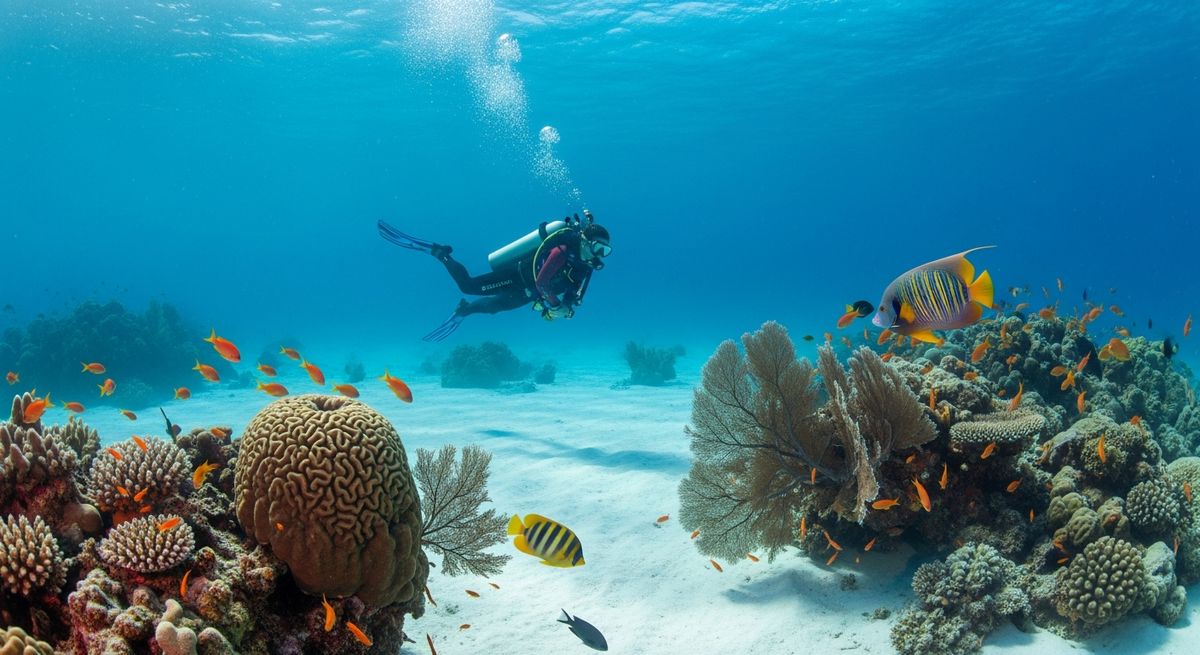
With 44+ marine species recorded in the area - including sea turtles - Walsa offers some of Fernando de Noronha's richest diving. Water ranges 27-29°C, warmest March, April, May.
Walsa offers something a bit different for Noronha, and we love it for a deep dive, especially if you’re tech-minded. This isn’t a natural reef; the Walsa is a purpose-sunk tugboat, sitting upright at 40 meters. We’ve always found it remarkably intact, a real testament to its careful sinking. You can really get a sense of its original form, the lines of the boat still strong. When you drop down, the sheer scale is impressive, and the visibility here often pushes past 25 meters, letting you take in the whole scene. Schools of Spanish grunts and Atlantic bumpers swirl around the superstructure, so dense they almost form a shimmering wall. Look closely in the darker nooks for black morays peering out, and we’ve spotted nurse sharks tucked beneath the hull a few times. It’s a site for divers who appreciate the history of a wreck and the way marine life quickly reclaims it, a quiet, deep exploration away from some of the busier current dives.
Nearest Dive Centres to Walsa
Dive shops near Walsa
View all dive centres in Fernando de NoronhaReviews for Walsa
Conditions
Ocean conditions, forecast and tides for Walsa
Walsa Ocean Conditions
Monthly averages for Walsa, sourced from Open-Meteo marine data + Copernicus Marine (EU) - nearest station: Open-Meteo marine grid (-3.84, -32.38) (0km away)
October Averages
Sea Temperature
27°C
81°F · Range: 26.5–27.9°C
Current Speed
29.15 cm/s
Direction: NW (329°)
Chlorophyll-a
0.035 mg/m³
Very clear (oligotrophic)
Salinity
36.39 PSU
Based on 4 years of monitoring data · Data sources: Open-Meteo marine data + Copernicus Marine (EU)
Plan & book
Ways to dive Fernando de Noronha, from day trips to liveaboards.
Day trips & courses
via GetYourGuideGuided dives, courses and snorkel trips with instant booking.
Find dive trips in Fernando de NoronhaPlaces to stay
via Booking.comHotels and dive resorts near Fernando de Noronha.
Search stays in Fernando de NoronhaDive insurance
Most travel insurance excludes or limits scuba. Check what you need before you go.
Dive insurance explainedPartner links: we may earn a commission if you book, at no extra cost to you. How we make money
Where to Stay near Walsa
Prices from Booking.com. We may earn a commission at no extra cost to you.