Diving in Ecuador
Why dive here
Ecuador offers rich diving, with 221+ marine species recorded in its waters - including blue whales, dolphins, humpback whales, manta rays and mobula rays (devil rays). Water ranges 25-29°C, warmest February, March, April.
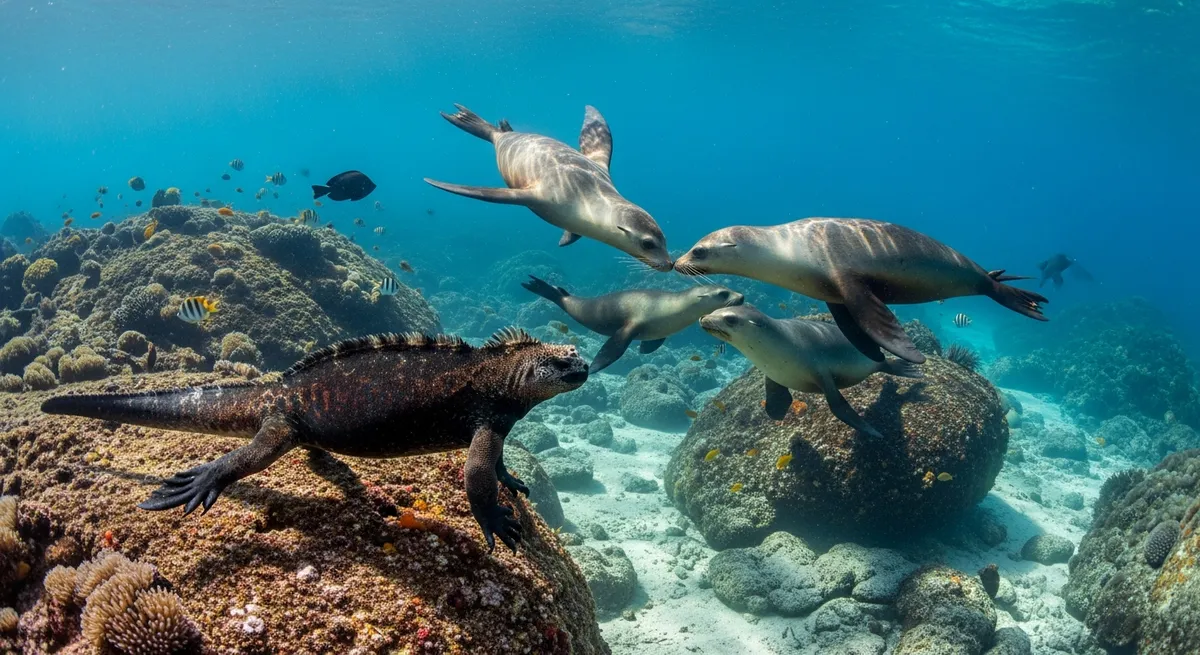
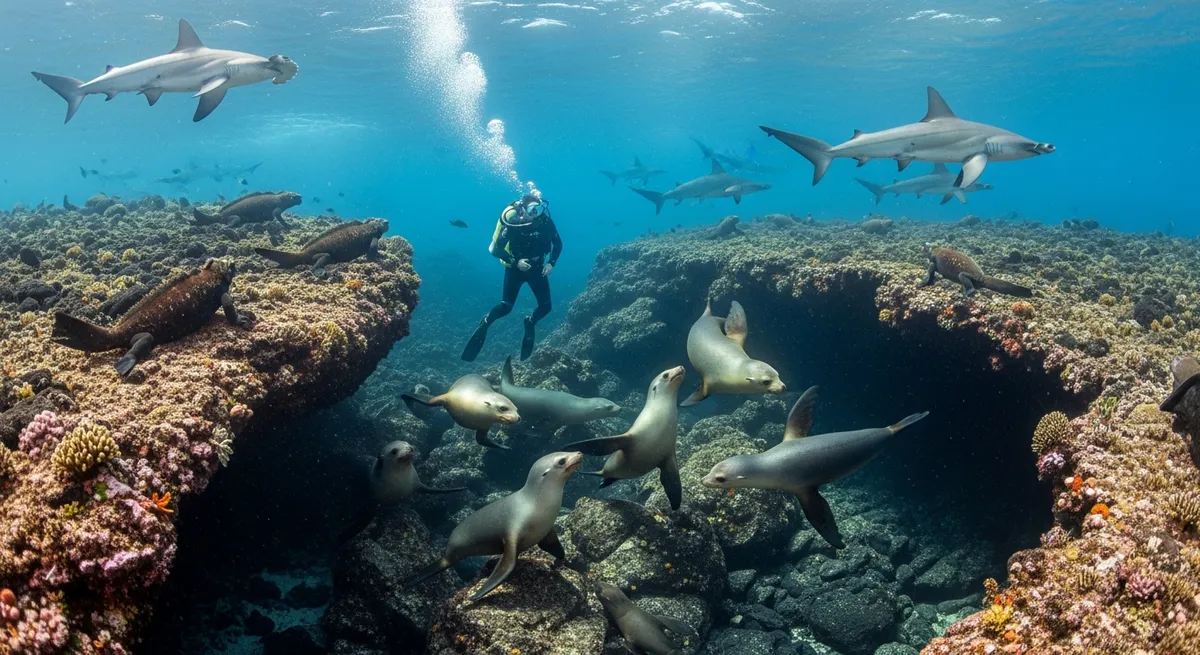
Ecuador, for most divers, means one thing: Galápagos. And honestly, it’s for good reason. Those central islands, particularly around Wolf and Darwin, deliver those heart-thumping pelagic encounters we all dream about - think schooling hammerheads, playful sea lions, and the sheer spectacle of marine iguanas foraging underwater. We’d suggest aiming for the warmer months, roughly December to May, for the best visibility, though the cooler season brings a greater chance of mola mola. Don't overlook Isla de la Plata off the mainland coast; it’s a compelling spot in its own right, especially for encountering oceanic manta rays without the full Galápagos price tag. While the mainland coast offers some interesting finds like the Blue Sea Catfish and Little Snook, the real draw, and where we’d focus our dive time, remains firmly out in the archipelago.
Ecuador Dive Regions Map
Ecuador Dive Regions
5 diving areas in Ecuador
Esmeraldas & North Coast
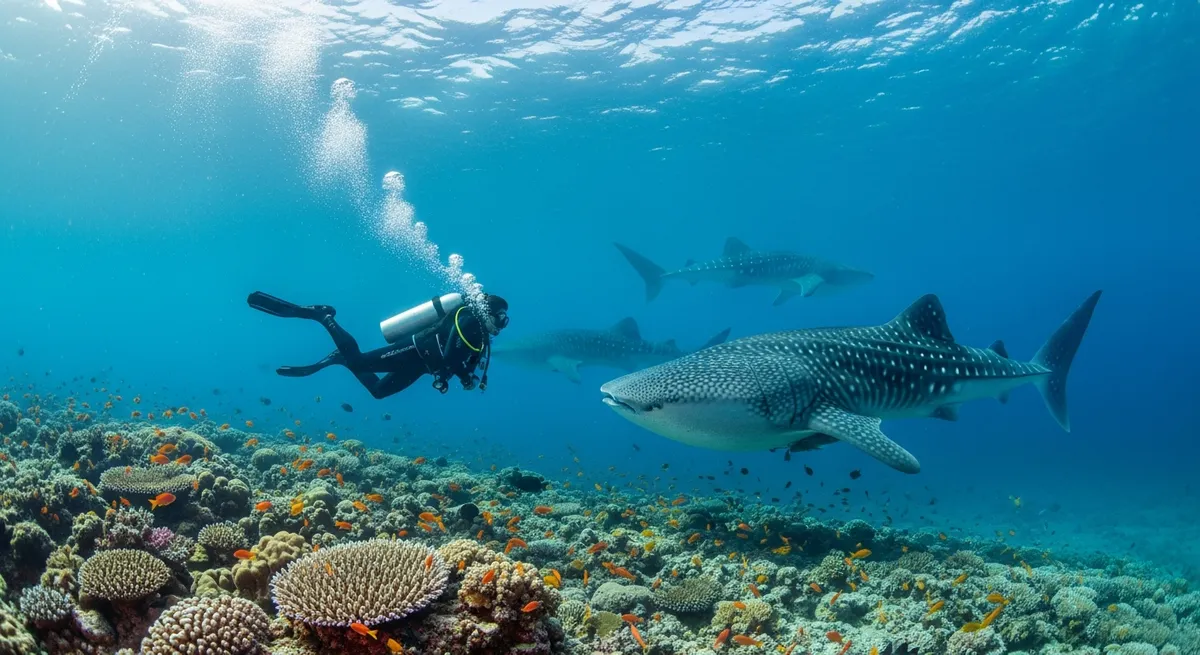
Ecuador's tropical north coast with emerging dive tourism, mangrove ecosystems, and seasonal whale shark encounters.
Galápagos Central Islands
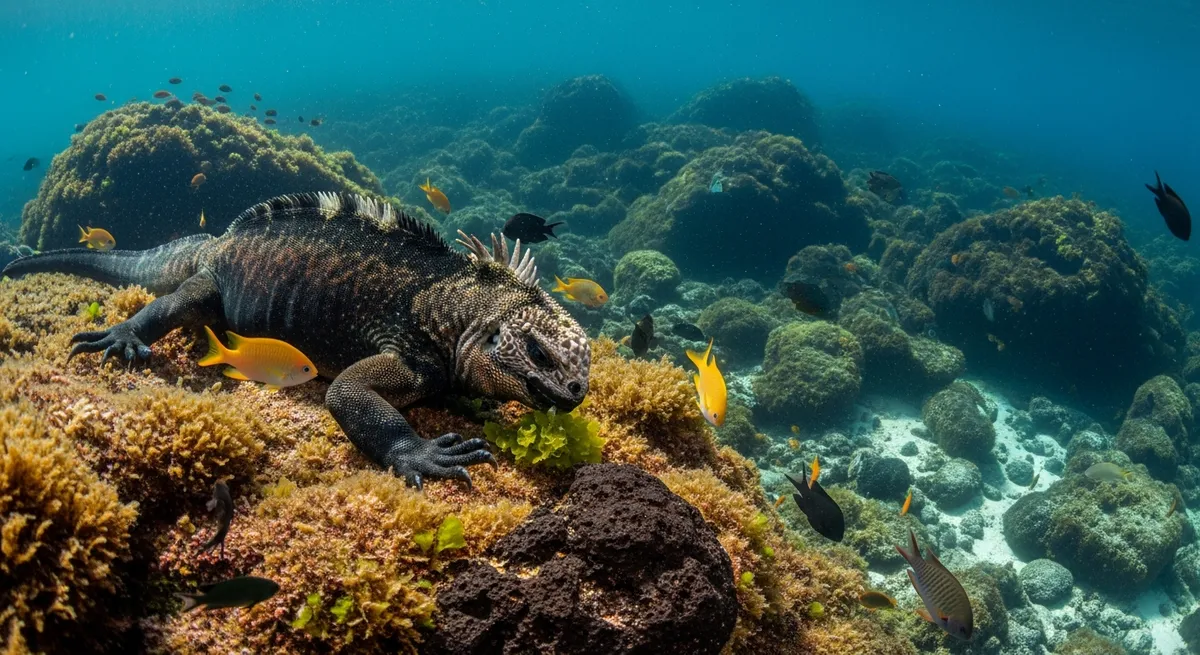
Santa Cruz, Santiago, and Floreana islands with sea lion colonies, marine iguanas, and green turtle cleaning stations in sheltered bays.
Galápagos Islands
The Galápagos. It’s a name that conjures images of ancient evolution, and for good reason. Diving here is less about pretty corals, though you’ll find some lovely spots, and more about the sheer, exhilarating volume of big animals. We’re talking legendary hammerhead schools at Wolf and Darwin, so thick they create a moving wall, a truly humbling sight. We’d suggest a liveaboard to properly experience the remote northern islands; day trips just don’t cut it if you want the full impact. Drift diving is common, and often essential, with currents that can be formidable. But those currents are exactly what brings in the nutrient-rich water, attracting everything from playful sea lions to graceful Galapagos sharks. Keep an eye out for the resident marine iguanas munching algae underwater, a truly bizarre and wonderful spectacle. We’ve had incredible encounters with Mola Mola in cooler months, especially around Gordon Rocks, a site that never disappoints for schooling fish and occasional Galapagos horn sharks. It’s wild, untamed, and exactly what makes it one of our favourite places on the planet. Just be ready for cooler water and be comfortable with some serious current.
Isla de la Plata
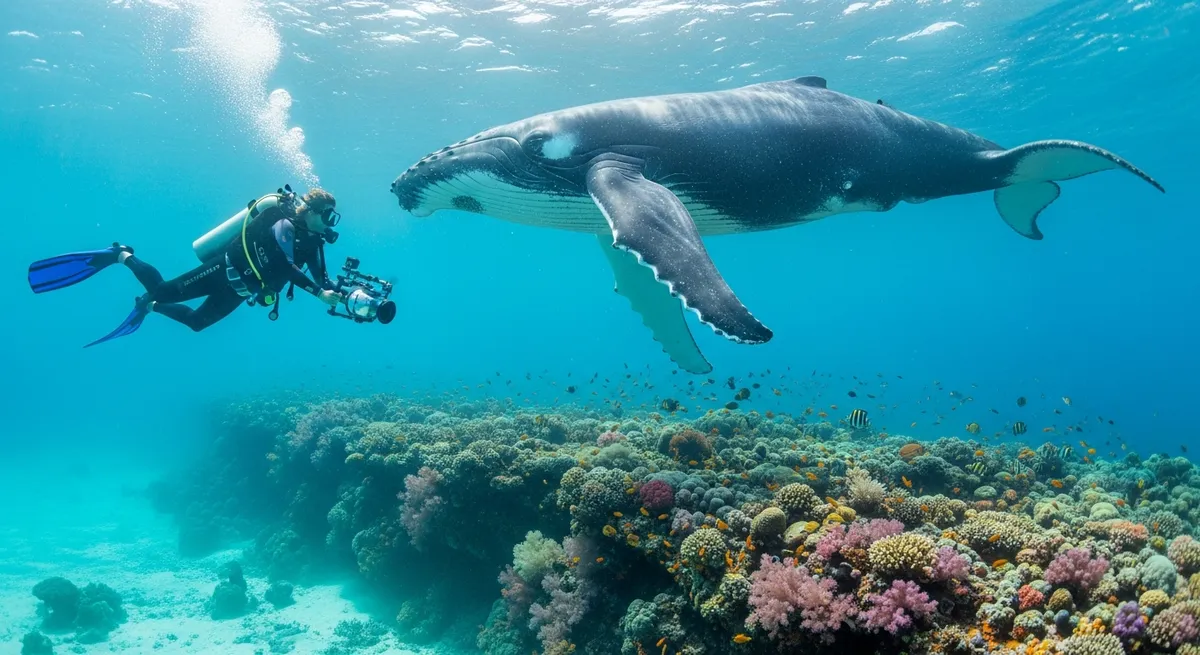
Isla de la Plata, often called the ‘Poor Man’s Galápagos’, absolutely lives up to the nickname. We love it for the sheer abundance, especially between June and October when the humpback whales are migrating. Hearing their songs underwater, sometimes feeling the vibrations through your chest, is something else. Dive sites here are mostly reef, with a few wrecks, and currents can be a factor, so listen to your guide. We’ve had dives where the current just carried us along past massive schools of Cortez chub and blunthead triggerfish. Keep an eye out for the smaller stuff too, like longtailed jawfish peeking out from their burrows. Visibility can vary, but on a good day, you’ll see sea lions playfully spiralling around you. And those manta rays? They’re magnificent, gliding through the blue, often in groups. We’d suggest going early in the morning to beat any potential crowds and to catch the marine life at its most active. It’s a truly wild dive, a proper adventure.
Mainland Coast
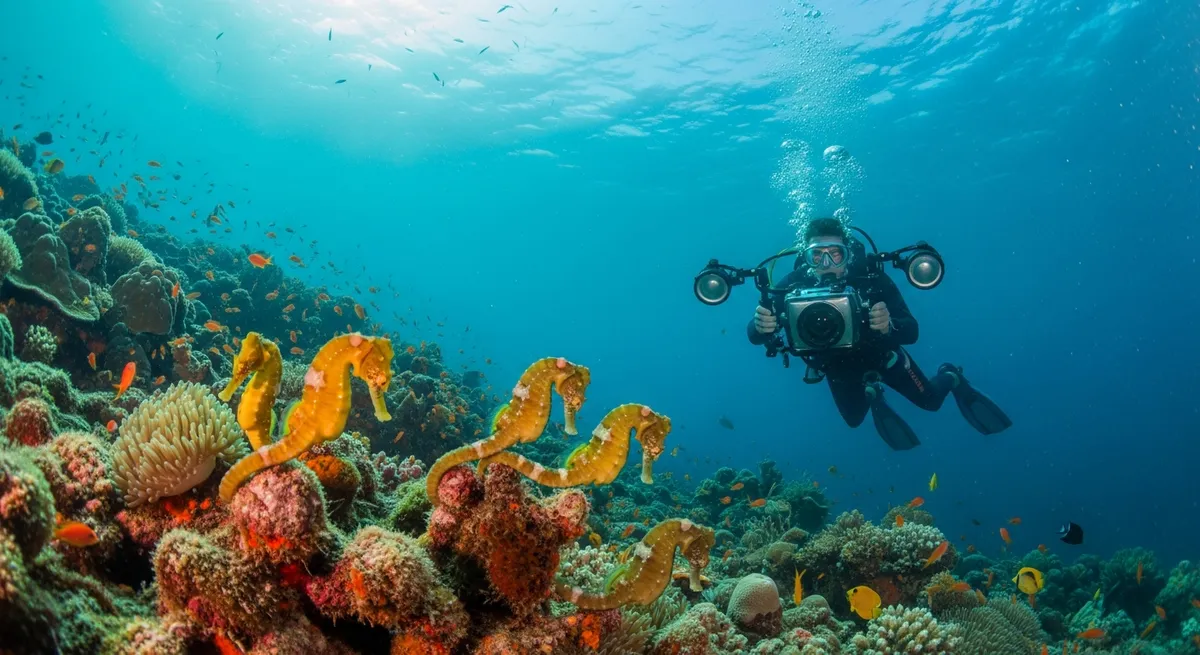
Ecuador's Pacific coast with seasonal humpback whale encounters and emerging dive sites.
Ocean Wildlife in Ecuador
221 species recorded in Ecuador
Ecuador Visa Requirements
Check if you need a visa to dive in Ecuador
Plan & book
Ways to dive Ecuador, from day trips to liveaboards.
Day trips & courses
via GetYourGuideGuided dives, courses and snorkel trips with instant booking.
Find dive trips in EcuadorPlaces to stay
via Booking.comHotels and dive resorts near Ecuador.
Search stays in EcuadorDive insurance
Most travel insurance excludes or limits scuba. Check what you need before you go.
Dive insurance explainedPartner links: we may earn a commission if you book, at no extra cost to you. How we make money