Batu Ringit
Protected Area
KK Karangasem
Why dive here
With 246+ marine species recorded in the area - including blue-spotted stingrays, bull sharks, grey reef sharks, manta rays and mobula rays (devil rays) - Batu Ringit offers some of Lombok & Gili Islands's richest muck diving. Water ranges 28-30°C, warmest April, May, November.
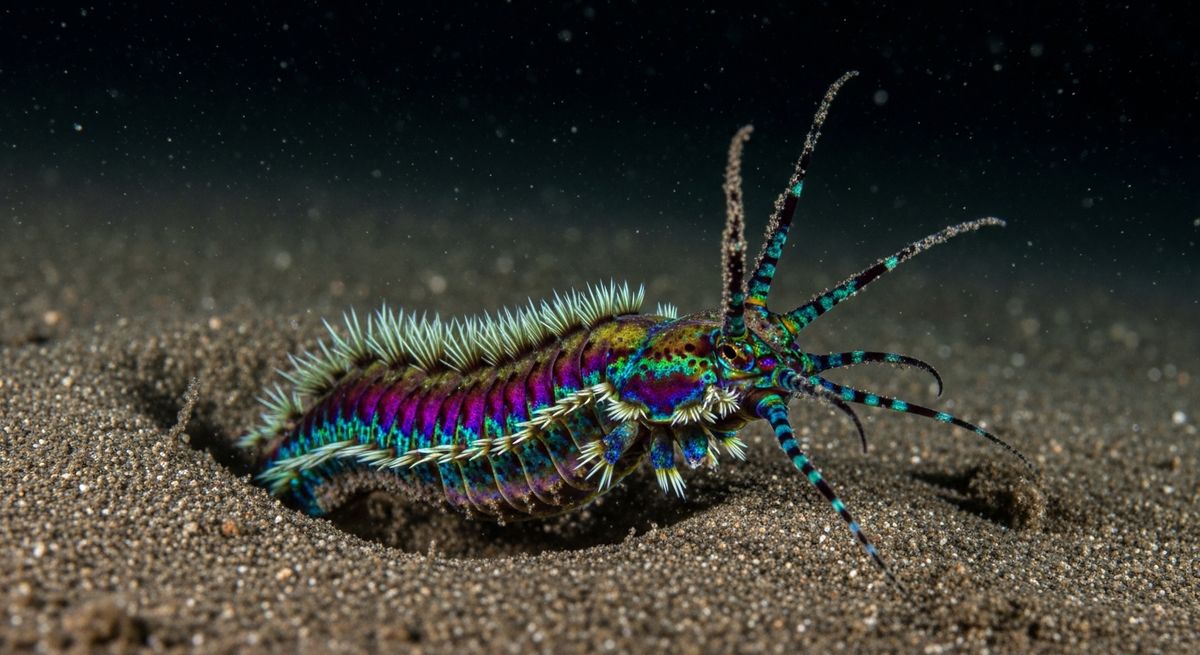
Ignore the Gili Islands for a minute, because Batu Ringit is pure Lombok. This isn’t a pretty reef dive. We’re talking about a classic Indonesian muck site: silty slopes, scattered debris, and some patches of sad-looking coral. But get your eyes tuned in, and you’ll forget all about healthy reefs. This is where you come for the tiny, the weird, and the wonderful. We’ve had some cracking dives here, finding ornate ghost pipefish swaying with bits of hydroid, frogfish that look exactly like the sponges they’re sitting on, and nudibranchs in colours you didn't know existed. Our favourite trick here is to go slow, really slow, and let your guide point out the bizarre. We've seen octopuses no bigger than a golf ball and cuttlefish flashing iridescent colours. You’ll be down on your belly, camera poised, watching a Stobbs' Pygmygoby darting in and out of its burrow. Visibility can be a bit variable, often around 10-15m, which is fine, because you’re looking at things inches from your mask. If you're into macro photography or just love hunting for critters, Batu Ringit is where you’ll want to spend your surface intervals planning your next dive.
Nearest Dive Centres to Batu Ringit
Dive shops near Batu Ringit
Alam Batu
Relax Bali
Siddhartha Dive Center
Villa Alba Dive Resort
Liberty Dive Resort
Paradise Diving
Reviews for Batu Ringit
Conditions
Ocean conditions, forecast and tides for Batu Ringit
Batu Ringit Ocean Conditions
Monthly averages for Batu Ringit, sourced from Open-Meteo marine data + Copernicus Marine (EU) - nearest station: Open-Meteo marine grid (-8.35, 116.05) (0km away)
October Averages
Sea Temperature
30°C
85°F · Range: 28.3–30.9°C
Current Speed
29.15 cm/s
Direction: SW (239°)
Chlorophyll-a
0.223 mg/m³
Clear water
Salinity
33.97 PSU
Based on 4 years of monitoring data · Data sources: Open-Meteo marine data + Copernicus Marine (EU)
Plan & book
Ways to dive Lombok & Gili Islands, from day trips to liveaboards.
Day trips & courses
via GetYourGuideGuided dives, courses and snorkel trips with instant booking.
Find dive trips in Lombok & Gili IslandsPlaces to stay
via Booking.comHotels and dive resorts near Lombok & Gili Islands.
Search stays in Lombok & Gili IslandsDive insurance
Most travel insurance excludes or limits scuba. Check what you need before you go.
Dive insurance explainedPartner links: we may earn a commission if you book, at no extra cost to you. How we make money
Where to Stay near Batu Ringit
Prices from Booking.com. We may earn a commission at no extra cost to you.