Bunutan
Protected Area
KK Karangasem
Why dive here
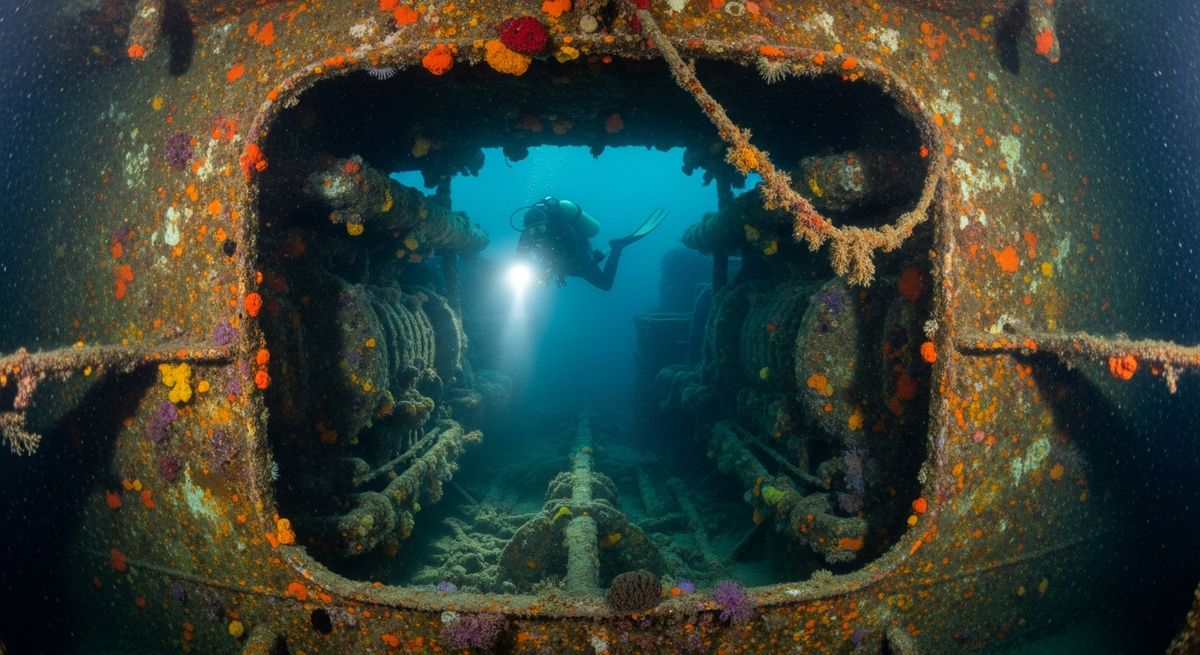
With 246+ marine species recorded in the area - including blue-spotted stingrays, bull sharks, grey reef sharks, manta rays and mobula rays (devil rays) - Bunutan offers some of Lombok & Gili Islands's richest wreck diving. Water ranges 28-30°C, warmest April, May, November.
Bunutan is one of our favourite drifts in the Gilis. We love its gentle slope, covered in a mix of hard and soft corals, particularly those big, branching staghorn colonies that stretch out like underwater trees. You’ll spend most of the dive just letting the current do the work, gliding past massive sponges and gorgonians, with plenty of time to really observe the smaller stuff. Keep an eye out for the garden eels poking their heads from the sand, dozens of them swaying in unison. We often spot green sea turtles here, usually just cruising along the reef edge, and sometimes you’ll get lucky with a school of barracuda hanging in the blue. For macro fans, it's a good place for nudibranchs, like the Sargassum nudibranch or Cobb's winged murphydoris if you look closely. It's a relaxed dive, perfect for anyone who enjoys a gentle current and a chance to truly soak in the reef’s colours and activity.
Safety Notes
Wreck site - avoid penetration without wreck diving certification. Watch for sharp metal and entanglement hazards.
Nearest Dive Centres to Bunutan
Dive shops near Bunutan
Bali reef divers
Amed White Sand Divers
DIVEONESIA
BLD Dive Center
Ecodive Bali
Divers Café
Reviews for Bunutan
Conditions
Ocean conditions, forecast and tides for Bunutan
Bunutan Ocean Conditions
Monthly averages for Bunutan, sourced from Open-Meteo marine data + Copernicus Marine (EU) - nearest station: Open-Meteo marine grid (-8.35, 116.05) (0km away)
October Averages
Sea Temperature
30°C
85°F · Range: 28.3–30.9°C
Current Speed
29.15 cm/s
Direction: SW (239°)
Chlorophyll-a
0.223 mg/m³
Clear water
Salinity
33.97 PSU
Based on 4 years of monitoring data · Data sources: Open-Meteo marine data + Copernicus Marine (EU)
Plan & book
Ways to dive Lombok & Gili Islands, from day trips to liveaboards.
Day trips & courses
via GetYourGuideGuided dives, courses and snorkel trips with instant booking.
Find dive trips in Lombok & Gili IslandsPlaces to stay
via Booking.comHotels and dive resorts near Lombok & Gili Islands.
Search stays in Lombok & Gili IslandsDive insurance
Most travel insurance excludes or limits scuba. Check what you need before you go.
Dive insurance explainedPartner links: we may earn a commission if you book, at no extra cost to you. How we make money
Where to Stay near Bunutan
Prices from Booking.com. We may earn a commission at no extra cost to you.