Gili Divers Biorock
Protected Area
KK Pulau Gili Air, Gili Meno, dan Gili Trawangan
Why dive here
With 246+ marine species recorded in the area - including blue-spotted stingrays, bull sharks, grey reef sharks, manta rays and mobula rays (devil rays) - Gili Divers Biorock offers some of Lombok & Gili Islands's richest reef diving. Water ranges 28-30°C, warmest April, May, November.
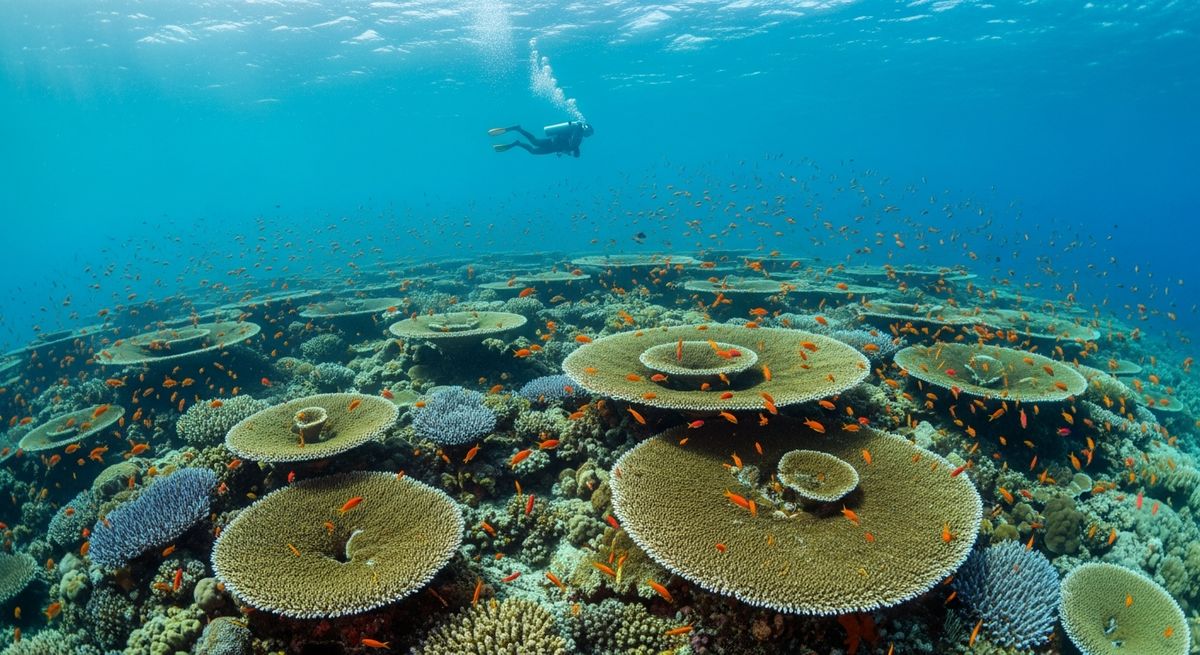
Gili Divers Biorock, off the coast of the Gili Islands, offers a unique look at reef restoration. We’ve watched this site evolve over the years, a testament to what dedicated conservation efforts can achieve. The Biorock structures themselves, now covered in various corals, particularly staghorn and table corals, provide shelter for an increasing number of species. You’ll often spot Australian bluespotted maskrays settled on the sandy patches nearby, and if you’re lucky, a dusky shark might cruise past in the deeper sections. It’s a gentle dive, good for newer divers or those interested in seeing the impact of human intervention on marine ecosystems.
Typical Gili Divers Biorock Dive Profile
Illustrative profile based on site depth and type. Actual dive profiles vary - always follow your dive computer and training.
Nearest Dive Centres to Gili Divers Biorock
Dive shops near Gili Divers Biorock
Gili Divers
Big Bubble Dive
Gili Sanctum
DSM Dive
DSM Dive Gili Trawangan
DSM Dive Gili Trawangan
Reviews for Gili Divers Biorock
Conditions
Ocean conditions, forecast and tides for Gili Divers Biorock
Gili Divers Biorock Ocean Conditions
Monthly averages for Gili Divers Biorock, sourced from Open-Meteo marine data + Copernicus Marine (EU) - nearest station: Open-Meteo marine grid (-8.35, 116.05) (0km away)
October Averages
Sea Temperature
30°C
85°F · Range: 28.3–30.9°C
Current Speed
29.15 cm/s
Direction: SW (239°)
Chlorophyll-a
0.223 mg/m³
Clear water
Salinity
33.97 PSU
Based on 4 years of monitoring data · Data sources: Open-Meteo marine data + Copernicus Marine (EU)
Plan & book
Ways to dive Lombok & Gili Islands, from day trips to liveaboards.
Day trips & courses
via GetYourGuideGuided dives, courses and snorkel trips with instant booking.
Find dive trips in Lombok & Gili IslandsPlaces to stay
via Booking.comHotels and dive resorts near Lombok & Gili Islands.
Search stays in Lombok & Gili IslandsDive insurance
Most travel insurance excludes or limits scuba. Check what you need before you go.
Dive insurance explainedPartner links: we may earn a commission if you book, at no extra cost to you. How we make money
Where to Stay near Gili Divers Biorock
Prices from Booking.com. We may earn a commission at no extra cost to you.