Redang - Tanjung Lebah
Protected Area
Pasir Che Keling Turtle Sanctuary
Why dive here
With 153+ marine species recorded in the area - including sea turtles, sperm whales, whale sharks and pufferfish - Redang - Tanjung Lebah offers some of Perhentian Islands's richest diving. Water ranges 28-31°C, warmest May, June, August.
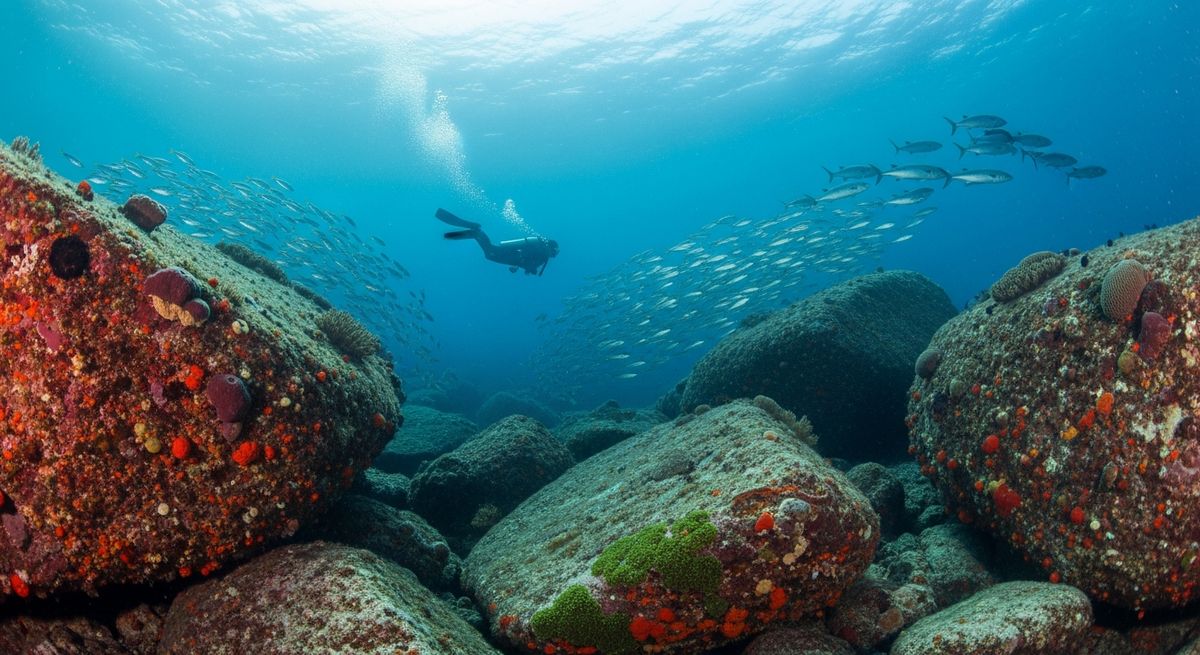
Tanjung Lebah is one of those spots we always try to hit when we're in the Perhentians. It’s not always busy, sometimes we’ve had the entire site to ourselves, which is a real bonus in this region. The site itself is a gentle slope, starting shallow and easing down to about 18 meters, so it’s pretty forgiving. We’ve found the currents here are usually mild, though a brisk tide can pick things up a bit, especially around the point. What we really love about Tanjung Lebah is the coral topography. You get some impressive formations of staghorn and branching sandpaper coral, making for some interesting swim-throughs if you know where to look. We often spot big schools of yellowstripe scad darting through the coral heads, and the occasional blackfish will cruise by. Keep an eye out for pale-edged stingrays in the sand patches, too. We’ve had a few good sightings there over the years. This site is great for divers who enjoy taking their time, exploring the nooks, and don't feel the need for big pelagics on every dive. It's a proper reef dive, in the best sense.
Nearest Dive Centres to Redang - Tanjung Lebah
Dive shops near Redang - Tanjung Lebah
The Taaras Beach and Spa Resort
DM Scuba Dive Team
Laguna Dive Centre
Diving Center PADI
Flora Bay Divers
Dive Buddy Dive Center
Reviews for Redang - Tanjung Lebah
Conditions
Ocean conditions, forecast and tides for Redang - Tanjung Lebah
Redang - Tanjung Lebah Ocean Conditions
Monthly averages for Redang - Tanjung Lebah, sourced from Open-Meteo marine data + Copernicus Marine (EU) - nearest station: Open-Meteo marine grid (5.91, 102.77) (0km away)
October Averages
Sea Temperature
30°C
87°F · Range: 29.4–31.2°C
Current Speed
6.71 cm/s
Direction: SE (116.6°)
Salinity
31.46 PSU
Based on 4 years of monitoring data · Data sources: Open-Meteo marine data + Copernicus Marine (EU)
Plan & book
Ways to dive Perhentian Islands, from day trips to liveaboards.
Day trips & courses
via GetYourGuideGuided dives, courses and snorkel trips with instant booking.
Find dive trips in Perhentian IslandsPlaces to stay
via Booking.comHotels and dive resorts near Perhentian Islands.
Search stays in Perhentian IslandsDive insurance
Most travel insurance excludes or limits scuba. Check what you need before you go.
Dive insurance explainedPartner links: we may earn a commission if you book, at no extra cost to you. How we make money
Where to Stay near Redang - Tanjung Lebah
Prices from Booking.com. We may earn a commission at no extra cost to you.