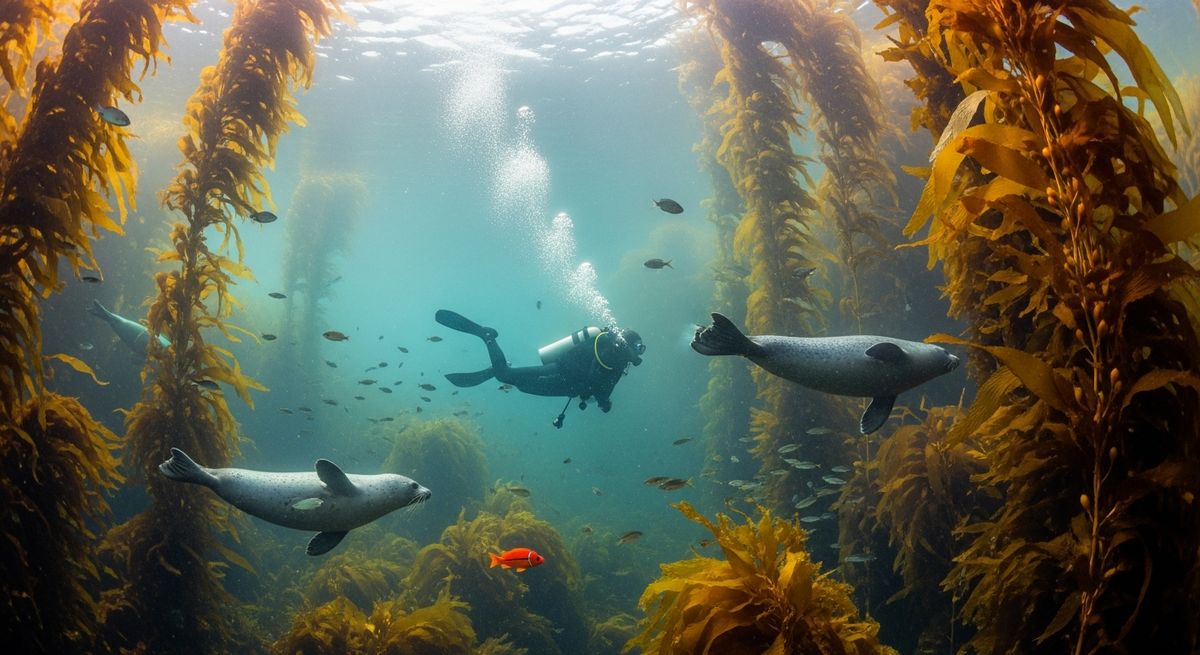
Burma Diving: Explore the Mergui Archipelago
Protected Area
Lampi Marine National Park
Why dive here
With 164+ marine species recorded in the area - including blacktip reef sharks, eagle rays, giant moray eels, whale sharks and clownfish - Burma Diving: Explore the Mergui Archipelago offers some of Mergui Archipelago's richest diving. Water ranges 28-31°C, warmest April, May, June.
The Mergui Archipelago still feels like a proper frontier, perfect for divers who prefer their adventures a little rough around the edges. We’ve found the diving here to be consistently surprising, with everything from whale sharks cruising past isolated pinnacles to tiny nudibranchs tucked away in the cracks of deep walls. Currents can be lively, so it’s best for experienced divers comfortable with drift dives, but the payoff of schooling fish and big pelagics is usually worth it. It’s not just about the diving either; the sheer remoteness and untouched islands make surface intervals just as interesting.
Reviews for Burma Diving: Explore the Mergui Archipelago
Conditions
Ocean conditions, forecast and tides for Burma Diving: Explore the Mergui Archipelago
Burma Diving: Explore the Mergui Archipelago Ocean Conditions
Monthly averages for Burma Diving: Explore the Mergui Archipelago, sourced from Open-Meteo marine data + Copernicus Marine (EU) - nearest station: Open-Meteo marine grid (9.78, 97.85) (1km away)
October Averages
Sea Temperature
29°C
85°F · Range: 28–30.5°C
Current Speed
5.39 cm/s
Direction: S (201.8°)
Salinity
29.12 PSU
Based on 4 years of monitoring data · Data sources: Open-Meteo marine data + Copernicus Marine (EU)
Plan & book
Ways to dive Mergui Archipelago, from day trips to liveaboards.
Day trips & courses
via GetYourGuideGuided dives, courses and snorkel trips with instant booking.
Find dive trips in Mergui ArchipelagoPlaces to stay
via Booking.comHotels and dive resorts near Mergui Archipelago.
Search stays in Mergui ArchipelagoDive insurance
Most travel insurance excludes or limits scuba. Check what you need before you go.
Dive insurance explainedPartner links: we may earn a commission if you book, at no extra cost to you. How we make money
Where to Stay near Burma Diving: Explore the Mergui Archipelago
Prices from Booking.com. We may earn a commission at no extra cost to you.