Central Visayas - Dumaguete

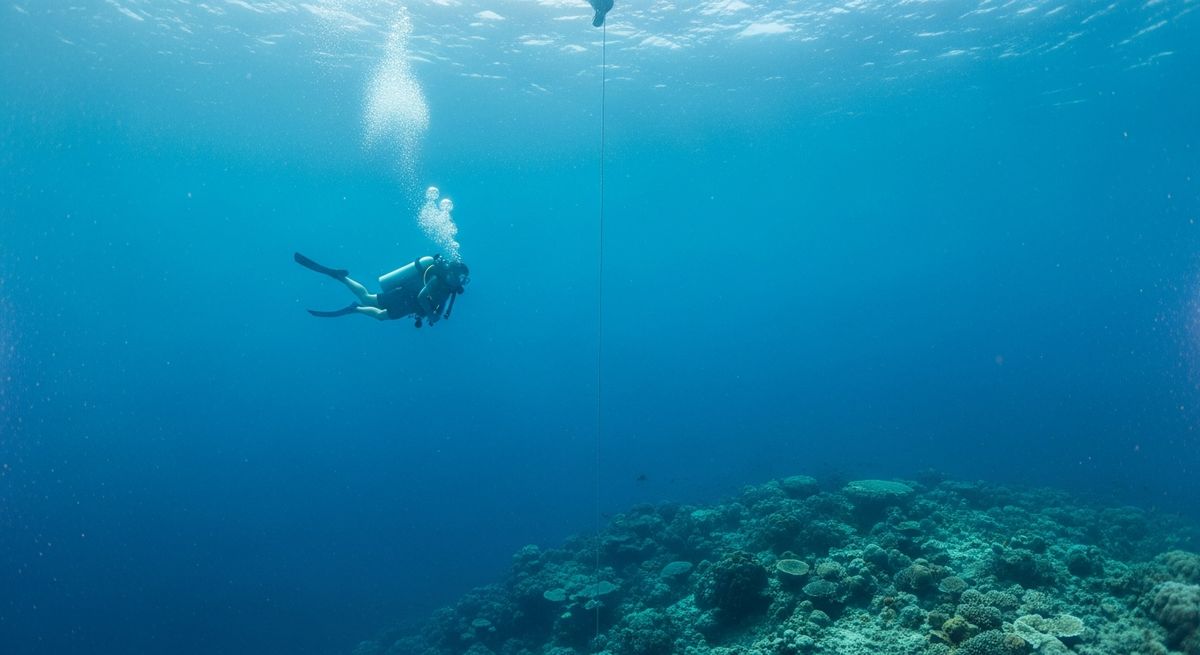
Alright, Dumaguete’s got its charm, and for many divers, that charm often begins with the Central Visayas. This isn't your flashy coral wall, mind you. Instead, you're drifting over stretches of sand, and that's precisely its appeal. We’ve found pygmy seahorses clinging to gorgonians, and it’s a brilliant spot for nudibranchs if you slow down and really look. It’s a site that rewards patience, perfect for macro enthusiasts and photographers who appreciate the small wonders.

Location
Dumaguete, Philippines, Southeast Asia
Coordinates
9.583300, 123.750000

Marine Protected Area: Dauis, Tagbilaran Bohol

Best Time to Dive in Dumaguete

The warmest water temperatures in Dumaguete occur in January, averaging 26.8°C. The coolest conditions are in December at 26.8°C.

Monthly Water Temperatures

  • January: 26.8°C (air: 26.7°C)
  • February: 26.8°C (air: 26.6°C)
  • March: 26.8°C (air: 27.3°C)
  • April: 26.8°C (air: 28.1°C)
  • May: 26.8°C (air: 28.5°C)
  • June: 26.8°C (air: 27.8°C)
  • July: 26.8°C (air: 27.4°C)
  • August: 26.8°C (air: 27.6°C)
  • September: 26.8°C (air: 27.6°C)
  • October: 26.8°C (air: 27.3°C)
  • November: 26.8°C (air: 27.3°C)
  • December: 26.8°C (air: 27.0°C)

Nearby Dive Sites in Dumaguete

Nearest Dive Centres to Central Visayas

Marine Life in Dumaguete

Home to 522 recorded species including 440 reef fish, 18 sharks & rays, 15 sea cucumbers, 12 sea snails & nudibranchs, 9 seagrass & algae, 9 hard corals.

Notable Species

Recommended Packing List for Central Visayas

Based on average water temperature of 26.8°C.

  • Shorty or Rashguard - warm 27°C water needs minimal exposure protection
  • Mask - essential for every dive
  • Fins
  • BCD - buoyancy compensator
  • Regulator - your most safety-critical piece of gear
  • Dive Computer - tracks depth, time, and NDL
  • Surface Marker Buoy (SMB) - essential for boat pickups
  • Dive Torch - useful for crevices and colour at depth
  • Underwater Camera - capture your diving memories

Frequently Asked Questions

What are the typical dive depths and maximum depths for recreational diving in Central Visayas?
Based on the available information for the Central Visayas dive site, specific typical and maximum recreational dive depths are currently unknown. However, recreational diving generally adheres to a maximum depth of 40 meters (130 feet) for certified divers. We recommend checking with local dive operators in Dumaguete for site-specific depth details.
What kind of marine life and underwater attractions can divers expect to see in Central Visayas?
Divers visiting Central Visayas can anticipate encountering the magnificent thresher shark, as Malapascua is renowned as one of the best places to see these shy and elusive pelagic creatures. You'll often rest on the seafloor in the early morning light awaiting their exciting approach. Beyond the thresher sharks, the area is characterized by its vibrant reef type, promising a diverse range of other marine life to discover.
How challenging is diving in Central Visayas, and are there sites suitable for beginner divers?
Diving in Central Visayas is categorized as intermediate difficulty. While specific sites suitable for absolute beginners are not detailed in the current data, the intermediate rating suggests that divers should possess a certain level of experience and comfort in various conditions. For those seeking to encounter the elusive thresher sharks, the experience involves resting on the seafloor, which may require good buoyancy control.
What is the best time of year to go scuba diving in Central Visayas for optimal conditions?
The provided data for the Central Visayas dive site does not specify the best time of year for optimal diving conditions. For detailed information on seasonal variations and ideal diving periods, we recommend consulting our When to Dive guide or contacting local dive centers in Dumaguete.
What scuba diving certifications are required or recommended for diving in Central Visayas?
Given that diving in Central Visayas is rated as intermediate difficulty, it is generally recommended that divers hold at least an Advanced Open Water certification or have equivalent experience. While specific certification requirements are not detailed in the provided data, a higher level of training will enhance your safety and enjoyment, especially when encountering pelagic species like the thresher shark. Always check with your chosen dive operator in Dumaguete for their specific requirements.
What are the typical water conditions, currents, and visibility like when diving in Central Visayas?
The provided data for the Central Visayas dive site does not include specific details regarding typical water conditions, currents, or visibility. While divers often rest on the seafloor in the early morning light to observe thresher sharks, further information on these environmental factors is not available. For the most current conditions, it's best to consult local dive operators in Dumaguete before your dive.