Cervera Shoal (Snake Island) - Dumaguete

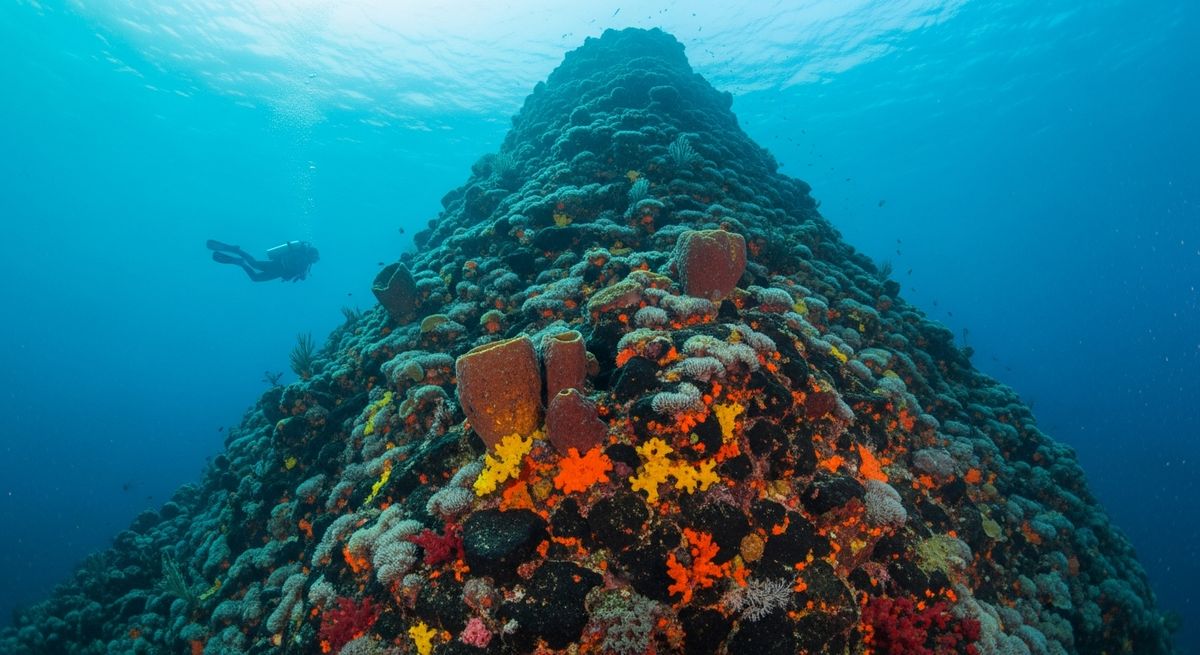
Cervera Shoal, or Snake Island as it's often called, sits not too far from Pamilacan. It's an oceanic plateau, meaning you're dropping onto a sunken reef, not a wall. The name isn't just a quirky local tag; you’ll usually find black and white banded sea kraits weaving through the corals here. Keep an eye out for them, they're curious but best observed from a respectful distance. While the sea snakes are a consistent feature, there's always a chance for bigger pelagics, with manta rays and even whale sharks making occasional appearances. It’s a pretty good spot for divers looking for something a bit different, particularly if you appreciate unique wildlife encounters.

Location
Dumaguete, Philippines, Southeast Asia
Coordinates
9.520000, 123.780000
Type
pinnacle

Marine Protected Area: Dauis, Tagbilaran Bohol

Best Time to Dive in Dumaguete

The warmest water temperatures in Dumaguete occur in January, averaging 26.8°C. The coolest conditions are in December at 26.8°C.

Monthly Water Temperatures

  • January: 26.8°C (air: 26.7°C)
  • February: 26.8°C (air: 26.6°C)
  • March: 26.8°C (air: 27.3°C)
  • April: 26.8°C (air: 28.1°C)
  • May: 26.8°C (air: 28.5°C)
  • June: 26.8°C (air: 27.8°C)
  • July: 26.8°C (air: 27.4°C)
  • August: 26.8°C (air: 27.6°C)
  • September: 26.8°C (air: 27.6°C)
  • October: 26.8°C (air: 27.3°C)
  • November: 26.8°C (air: 27.3°C)
  • December: 26.8°C (air: 27.0°C)

Nearby Dive Sites in Dumaguete

Nearest Dive Centres to Cervera Shoal (Snake Island)

Marine Life in Dumaguete

Home to 522 recorded species including 440 reef fish, 18 sharks & rays, 15 sea cucumbers, 12 sea snails & nudibranchs, 9 seagrass & algae, 9 hard corals.

Notable Species

Recommended Packing List for Cervera Shoal (Snake Island)

Based on average water temperature of 26.8°C.

  • Shorty or Rashguard - warm 27°C water needs minimal exposure protection
  • Mask - essential for every dive
  • Fins
  • BCD - buoyancy compensator
  • Regulator - your most safety-critical piece of gear
  • Dive Computer - tracks depth, time, and NDL
  • Surface Marker Buoy (SMB) - essential for boat pickups
  • Dive Torch - useful for crevices and colour at depth
  • Underwater Camera - capture your diving memories

Frequently Asked Questions

What is the typical depth range for diving at Cervera Shoal (Snake Island)?
The typical depth range for diving at Cervera Shoal (Snake Island) is not specified in the available data. However, it is described as a sunken oceanic plateau and a pinnacle, suggesting varying depths as you explore its features. Divers should be prepared for a range of depths when visiting this unique site.
What kind of marine life and underwater features can divers expect to see at Cervera Shoal (Snake Island)?
Divers at Cervera Shoal (Snake Island) can expect to encounter abundant marine life, notably black and white banded sea kraits, which are prevalent on the reef. Lucky divers might also spot majestic manta rays and whale sharks. The underwater features include a sunken oceanic plateau, which is a type of pinnacle, and divers should be mindful of the many sea urchins present.
How difficult is diving at Cervera Shoal (Snake Island), especially considering currents?
Diving at Cervera Shoal (Snake Island) is rated as intermediate difficulty. While the specific current conditions are not detailed in the provided information, divers should always be prepared for varying conditions at oceanic sites like this sunken plateau. Intermediate difficulty typically implies some experience with currents or challenging conditions may be beneficial.
What are the best times of year or conditions to dive Cervera Shoal (Snake Island)?
The provided data does not specify the best times of year or ideal conditions for diving at Cervera Shoal (Snake Island). For general guidance on optimal diving seasons in the Philippines, you might consult a when-to-dive guide.
What scuba diving certifications are recommended or required for diving at Cervera Shoal (Snake Island)?
Given that Cervera Shoal (Snake Island) is an intermediate difficulty dive site, divers should possess at least an Open Water certification. For enhanced safety and enjoyment, especially when exploring a sunken oceanic plateau, an Advanced Open Water certification or equivalent experience is often recommended. Always check with your local dive operator for their specific requirements.
What are the typical current and visibility conditions at Cervera Shoal (Snake Island)?
The provided data does not include specific information regarding the typical current and visibility conditions at Cervera Shoal (Snake Island). As an oceanic pinnacle, conditions can vary, and it's always advisable to consult with local dive operators in Dumaguete for the most current site conditions before planning your dive.