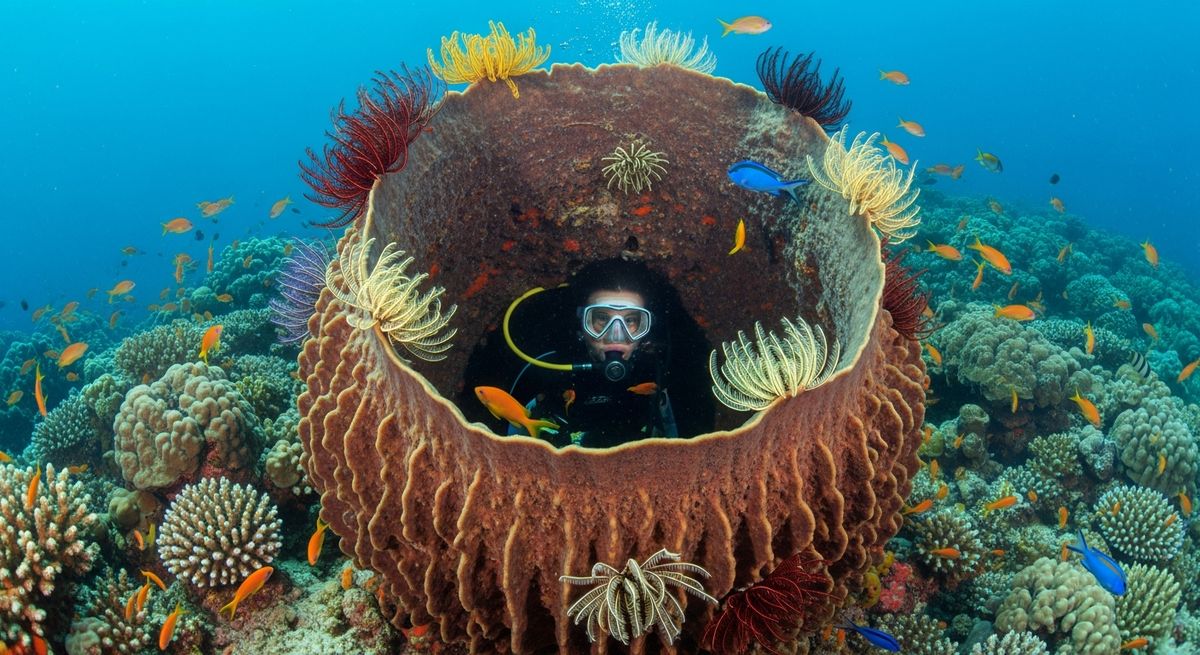
Oslob Whale Shark
Protected Area
Dumaguete City, Negros Oriental
Why dive here
With 496+ marine species recorded in the area - including barracuda, blacktip reef sharks, blue-spotted stingrays, bull sharks and octopuses - Oslob Whale Shark offers some of Dumaguete's richest reef diving. Water ranges 28-30°C, warmest June, July, October.
Oslob is where you go to see whale sharks, guaranteed. These gentle giants gather daily, hand-fed by local fishermen, making it easy for divers to get up close in the shallow water. Expect crowds, both above and below the surface, but if seeing a whale shark is your priority and you’re short on time, this delivers. It’s a straightforward dive, perfect for beginners wanting to tick off a bucket list encounter.
Typical Oslob Whale Shark Dive Profile
Illustrative profile based on site depth and type. Actual dive profiles vary - always follow your dive computer and training.
Safety Notes
Always perform a 3-minute safety stop at 5m before surfacing.
Nearest Dive Centres to Oslob Whale Shark
Dive shops near Oslob Whale Shark
LILO-AN KINGDOM RESORT
PSI DIVE
Scuba Ventures
Aquaventure White Tip Dive Supply
Super Lemon Dive Resort
Liquid Dive Dumaguete
Reviews for Oslob Whale Shark
Conditions
Ocean conditions, forecast and tides for Oslob Whale Shark
Oslob Whale Shark Ocean Conditions
Monthly averages for Oslob Whale Shark, sourced from Open-Meteo marine data - nearest station: Open-Meteo marine grid (9.23, 123.47) (3km away)
October Averages
Sea Temperature
30°C
86°F · Range: 29–31.3°C
Air Temperature
27°C
81°F
Wind Speed
4.36 m/s
8.5 knots
Atmospheric Pressure
1009.6 hPa
Based on 4 years of monitoring data · Data sources: Open-Meteo marine data
Plan & book
Ways to dive Dumaguete, from day trips to liveaboards.
Day trips & courses
via GetYourGuideGuided dives, courses and snorkel trips with instant booking.
Find dive trips in DumaguetePlaces to stay
via Booking.comHotels and dive resorts near Dumaguete.
Search stays in DumagueteDive insurance
Most travel insurance excludes or limits scuba. Check what you need before you go.
Dive insurance explainedPartner links: we may earn a commission if you book, at no extra cost to you. How we make money
Where to Stay near Oslob Whale Shark
Prices from Booking.com. We may earn a commission at no extra cost to you.