Tubbataha North Atoll - Tubbataha Reef

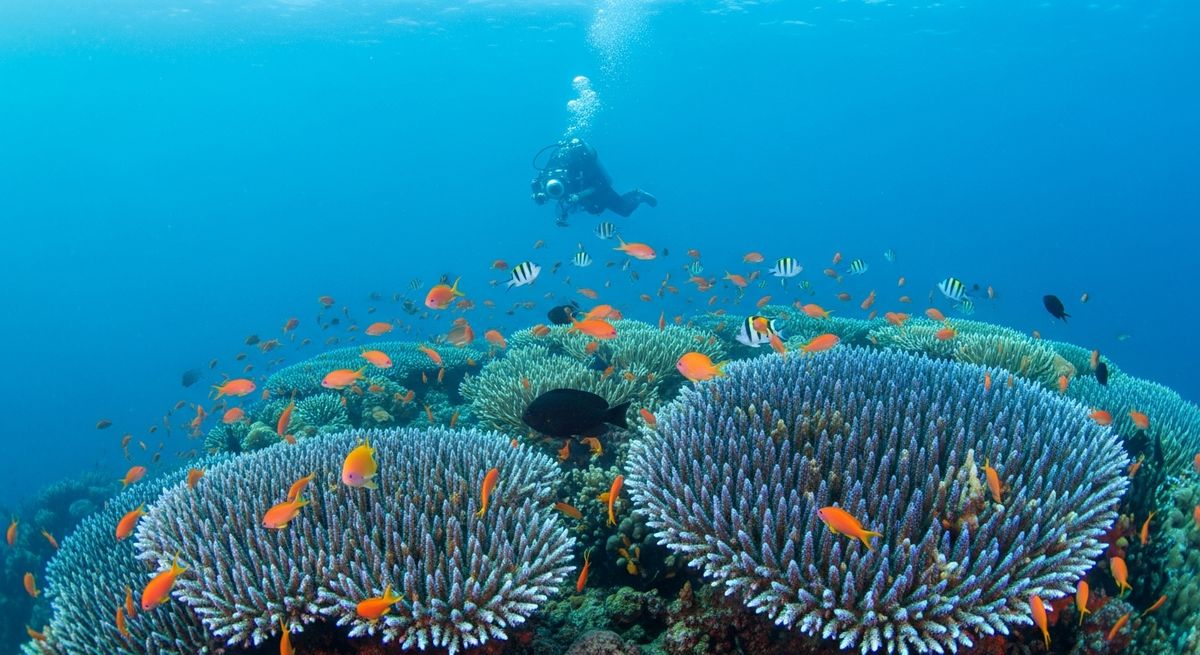
The North Atoll at Tubbataha is where we always head for that quintessential Tubbataha feeling. Drop in and you’re immediately enveloped by the sheer scale of the place. We love drifting along the walls here, where the coral formations are just mind-bogglingly intricate, all those different hard corals creating their own little cities. You'll see schools of big-eye trevally so dense they momentarily block out the sun, and often we’ve had silvertips cruising by, just checking us out. Keep an eye out in the blue for the larger pelagics; it’s not uncommon to spot a tiger shark casually patrolling or a manta ray gliding past. This site is fantastic for experienced divers who appreciate current and big animal action. It's a proper wild reef experience, the kind that reminds you why you got into diving in the first place.

Location
Tubbataha Reef, Philippines, Southeast Asia
Coordinates
8.880000, 119.920000
Type
reef
Maximum Depth
5-25m

Marine Protected Area: Tubbataha Reefs National Marine Park

Nearby Dive Sites in Tubbataha Reef

Nearest Dive Centres to Tubbataha North Atoll

Marine Life in Tubbataha Reef

Home to 480 recorded species including 412 reef fish, 20 sharks & rays, 18 hard corals, 12 whales & dolphins, 5 other, 4 clams & mussels.

Notable Species

Frequently Asked Questions

What are the typical diving depths and maximum depths encountered at Tubbataha North Atoll dive sites?
The typical diving depths at Tubbataha North Atoll range from 5 meters, with a maximum depth often encountered around 25 meters. These depths allow divers to explore the pristine walls and vibrant reef ecosystems. This range accommodates a variety of dive profiles within the site.
What kind of marine life and coral formations can divers expect to see when diving Tubbataha North Atoll?
Divers at Tubbataha North Atoll can expect to encounter an incredible array of marine life, including massive schools of jacks and barracuda, majestic manta rays, and impressive pelagics like hammerheads and whale sharks. The site is home to over 600 fish species and features pristine reef walls, making it one of Asia's finest dive destinations. For more information on marine species, visit our wildlife database.
How challenging are the dive conditions at Tubbataha North Atoll, and is it suitable for all experience levels?
The dive conditions at Tubbataha North Atoll are rated as intermediate difficulty. This suggests that while suitable for experienced divers, it might not be ideal for absolute beginners due to potential currents or specific site characteristics. Divers should possess an appropriate level of experience to fully enjoy this UNESCO World Heritage Site.
What is the best time of year to dive Tubbataha North Atoll for optimal conditions and marine life sightings?
The optimal time to dive Tubbataha North Atoll for the best conditions and marine life sightings is from March to June. During this exclusive window, the site is accessible only by liveaboard, offering unparalleled opportunities to experience its rich biodiversity. For more seasonal insights, check our when to dive guide.
What scuba diving certifications and experience are required to dive in Tubbataha North Atoll?
Given the intermediate difficulty rating of Tubbataha North Atoll, divers should possess certifications and experience commensurate with such conditions. While specific certification levels are not detailed, an advanced open water certification or significant experience in varying conditions is generally recommended. This ensures divers can safely navigate potential currents and deeper sections of the reef.
What are the typical current conditions and visibility like at Tubbataha North Atoll dive sites?
The provided data does not explicitly detail the typical current conditions or visibility at Tubbataha North Atoll. However, its classification as an intermediate difficulty dive site often suggests that divers might encounter varying currents. For the most up-to-date information on specific conditions, it is always best to consult with your liveaboard operator or local dive guides.