Cabilao
Protected Area
Island of Budlanan, Bugatusan, Panga, Silo, Cabgan, Canconstino, tabaon, Maagpit, and Islet of Basihan, Bugatusan, Hayaan, Inanoran , and Poom Point East of Basihan Islet (Getafe Group of Island) (Clarin Group of Island) Wilderness Area
Why dive here
With 554+ marine species recorded in the area - including barracuda, blacktip reef sharks, blue-spotted stingrays, manta rays and mobula rays (devil rays) - Cabilao offers some of Visayas's richest diving. Water ranges 28-31°C, warmest May, June, October.
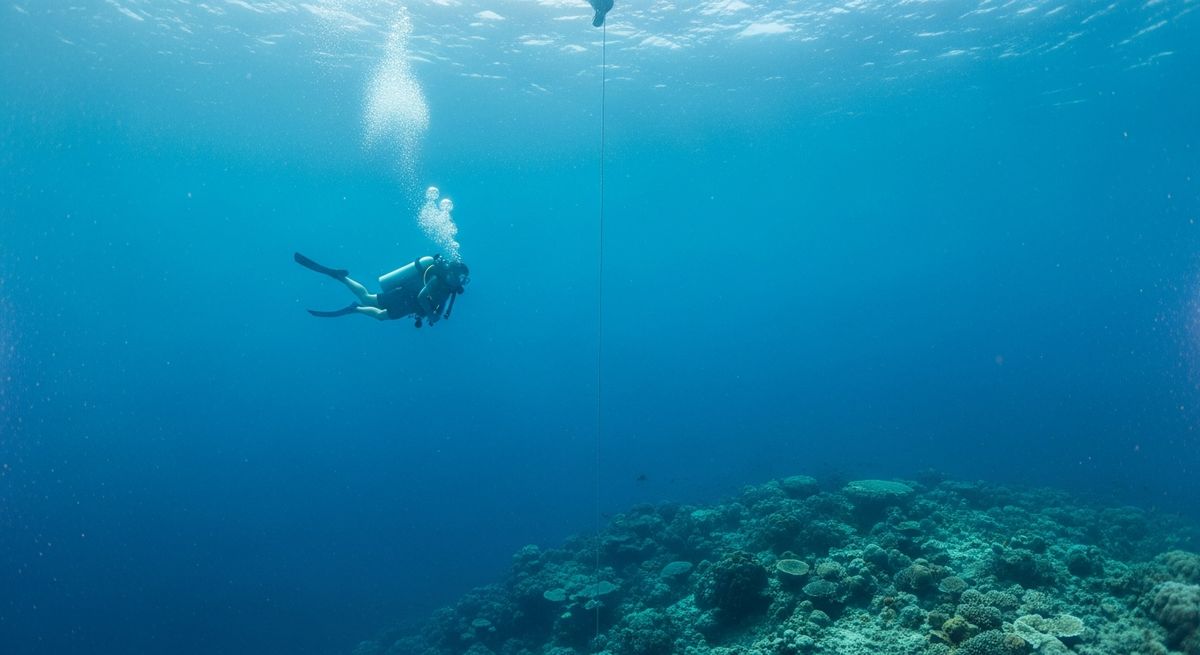
Cabilao, off the southwest coast of Bohol, delivers solid diving, especially if you’ve got some dives under your belt. Our pick for the island is definitely Lighthouse, a site that starts shallow and then drops off. Keep an eye out for those schools of barracuda, often hanging out in the blue, and yes, the occasional hammerhead might cruise by in the deeper sections early in the morning. Even if the big stuff is shy, the reef itself holds plenty of interest, with nudibranchs and frogfish tucked into the corals. We’d suggest this spot for divers comfortable with a bit of current and keen on spotting pelagics.
Nearest Dive Centres to Cabilao
Dive shops near Cabilao
Cabilao Island Sanctuary Inc.
DOLGORAE
SSISP PHIL. CORP.
E&Z Diving Center
Aquaventure Whitetip Dive Supply
LE GRAND BLEU SCUBA DIVING OUTDOOR LEISURE SERVICE
Reviews for Cabilao
Conditions
Ocean conditions, forecast and tides for Cabilao
Cabilao Ocean Conditions
Monthly averages for Cabilao, sourced from Open-Meteo marine data - nearest station: Open-Meteo marine grid (10.3, 124.07) (19km away)
October Averages
Sea Temperature
31°C
87°F · Range: 29.5–32.2°C
Air Temperature
24°C
76°F
Wind Speed
3.27 m/s
6.4 knots
Atmospheric Pressure
1010 hPa
Based on 4 years of monitoring data · Data sources: Open-Meteo marine data
Plan & book
Ways to dive Visayas, from day trips to liveaboards.
Day trips & courses
via GetYourGuideGuided dives, courses and snorkel trips with instant booking.
Find dive trips in VisayasPlaces to stay
via Booking.comHotels and dive resorts near Visayas.
Search stays in VisayasDive insurance
Most travel insurance excludes or limits scuba. Check what you need before you go.
Dive insurance explainedPartner links: we may earn a commission if you book, at no extra cost to you. How we make money
Where to Stay near Cabilao
Prices from Booking.com. We may earn a commission at no extra cost to you.