Camotes - Visayas

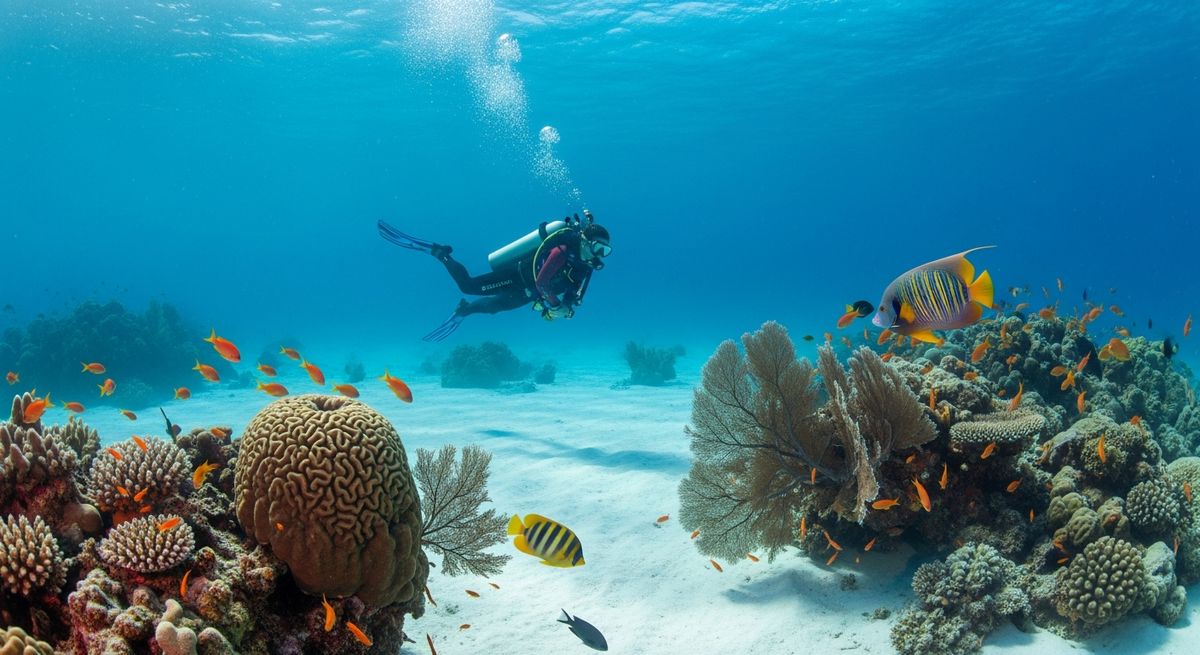
The Camotes Islands sit a little off the main Cebu dive circuit, and that’s part of their charm. We've always found the reefs here to be surprisingly robust, with healthy hard and soft coral growth. Down around Buho Rock, things get a bit more adventurous; expect some solid current and rewarding topography. We're talking interesting swim-throughs draped in black coral, and it’s a good spot for spotting a cruising whitetip or even an eagle ray if you're lucky. It's a nice option for divers who appreciate fewer crowds and don't mind a bit of a current.

Location
Visayas, Philippines, Southeast Asia
Coordinates
10.650000, 124.400000

Marine Protected Area: Caroyocan Fish Sanctuary

Best Time to Dive in Visayas

The warmest water temperatures in Visayas occur in January, averaging 27.8°C. The coolest conditions are in December at 27.8°C.

Monthly Water Temperatures

  • January: 27.8°C (air: 23.3°C)
  • February: 27.8°C (air: 23.3°C)
  • March: 27.8°C (air: 24.2°C)
  • April: 27.8°C (air: 25.3°C)
  • May: 27.8°C (air: 25.7°C)
  • June: 27.8°C (air: 24.8°C)
  • July: 27.8°C (air: 24.7°C)
  • August: 27.8°C (air: 24.9°C)
  • September: 27.8°C (air: 24.8°C)
  • October: 27.8°C (air: 24.4°C)
  • November: 27.8°C (air: 24.3°C)
  • December: 27.8°C (air: 23.7°C)

Nearby Dive Sites in Visayas

Nearest Dive Centres to Camotes

Marine Life in Visayas

Home to 577 recorded species including 463 reef fish, 24 sharks & rays, 21 hard corals, 19 sea snails & nudibranchs, 14 sea cucumbers, 9 crabs & lobsters.

Notable Species

Recommended Packing List for Camotes

Based on average water temperature of 27.8°C.

  • Shorty or Rashguard - warm 28°C water needs minimal exposure protection
  • Mask - essential for every dive
  • Fins
  • BCD - buoyancy compensator
  • Regulator - your most safety-critical piece of gear
  • Dive Computer - tracks depth, time, and NDL
  • Surface Marker Buoy (SMB) - essential for boat pickups
  • Dive Torch - useful for crevices and colour at depth
  • Underwater Camera - capture your diving memories

Frequently Asked Questions

What kind of marine life and underwater topography can divers expect to see in Camotes?
Divers visiting Camotes can expect to explore unique underwater caves, intricate swim-throughs, and vibrant, uncrowded reefs. Specific sites like Buho Rock offer stunning topography with swim-throughs full of black coral trees. Keep an eye out for impressive marine life such as whitetip and blacktip reef sharks and majestic eagle rays.
What are the typical dive depths and difficulty levels for scuba diving in Camotes?
While specific typical dive depths for Camotes are not provided, the general difficulty level for diving here is considered intermediate. However, divers should be aware that some specific sites, such as Buho Rock, are designated as advanced due to their challenging underwater caves and topography.
When is the best time of year to go diving in Camotes for optimal conditions?
The provided data does not specify the best time of year to go diving in Camotes for optimal conditions. For general information on dive seasons and planning your trip, you might consult our When to Dive guide.
Are there strong currents or challenging water conditions to be aware of when diving in Camotes?
Yes, divers should be aware of challenging water conditions in Camotes. Specifically, strong currents are noted around areas like Buho Rock. These currents contribute to the advanced nature of some dive sites and should be considered during dive planning.
What scuba diving certifications are typically required to dive at the sites around Camotes?
The provided data does not specify the typical scuba diving certifications required to dive at the sites around Camotes. It is always recommended to check with local dive operators for specific requirements based on your chosen dive sites and experience level.
What is the visibility generally like at Camotes dive sites?
The provided data does not include information regarding the general visibility at Camotes dive sites. Visibility can often vary with weather, tides, and specific dive locations, so it's best to inquire with local dive centers for current conditions.