Eastern Visayas - Visayas

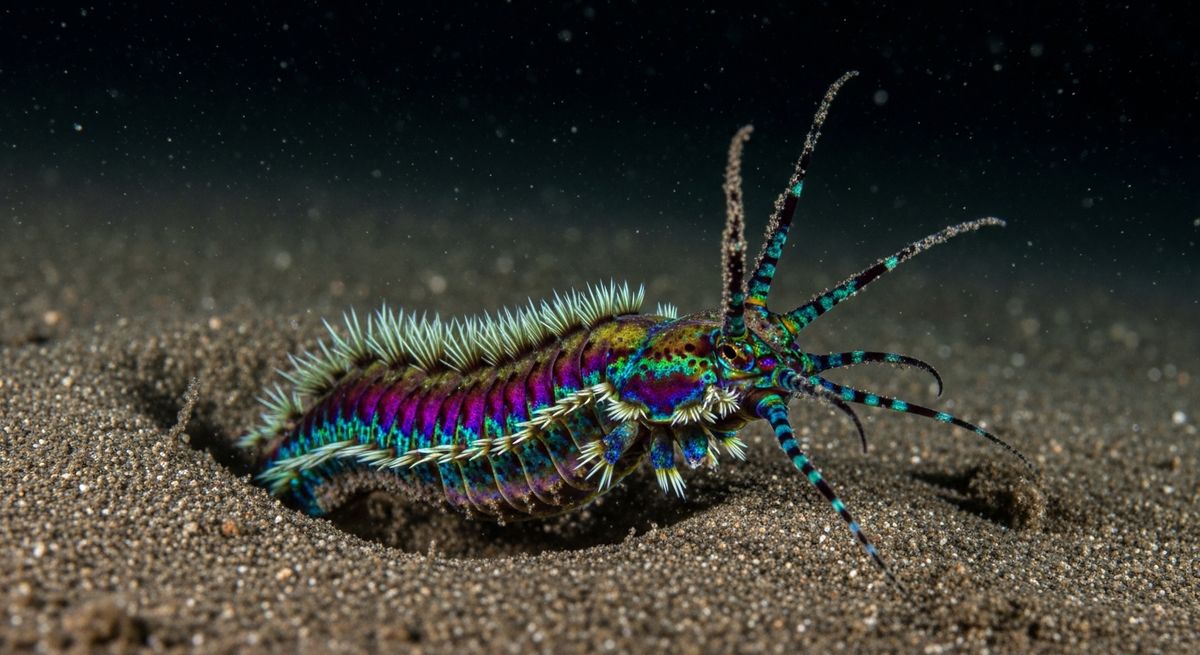
Eastern Visayas gives us a good mix, especially around Southern Leyte. We're talking fabulous muck and macro diving, which is always a treat for those of us who like to slow down and really look. You'll find plenty of colourful reefs too, soft corals swaying, and sea fans waving hello. Between November and May, zooplankton blooms bring whale sharks into Sogod Bay, particularly near Panaon Island, and some even stick around for months. It’s a great spot for photographers and anyone looking for something beyond just big pelagics.

Location
Visayas, Philippines, Southeast Asia
Coordinates
10.100000, 125.000000
Type
muck
Maximum Depth
5-30m

Marine Protected Area: Tagbak Marine Park

Best Time to Dive in Visayas

The warmest water temperatures in Visayas occur in January, averaging 27.8°C. The coolest conditions are in December at 27.8°C.

Monthly Water Temperatures

  • January: 27.8°C (air: 23.3°C)
  • February: 27.8°C (air: 23.3°C)
  • March: 27.8°C (air: 24.2°C)
  • April: 27.8°C (air: 25.3°C)
  • May: 27.8°C (air: 25.7°C)
  • June: 27.8°C (air: 24.8°C)
  • July: 27.8°C (air: 24.7°C)
  • August: 27.8°C (air: 24.9°C)
  • September: 27.8°C (air: 24.8°C)
  • October: 27.8°C (air: 24.4°C)
  • November: 27.8°C (air: 24.3°C)
  • December: 27.8°C (air: 23.7°C)

Nearby Dive Sites in Visayas

Nearest Dive Centres to Eastern Visayas

Marine Life in Visayas

Home to 577 recorded species including 463 reef fish, 24 sharks & rays, 21 hard corals, 19 sea snails & nudibranchs, 14 sea cucumbers, 9 crabs & lobsters.

Notable Species

Recommended Packing List for Eastern Visayas

Based on average water temperature of 27.8°C.

  • Shorty or Rashguard - warm 28°C water needs minimal exposure protection
  • Mask - essential for every dive
  • Fins
  • BCD - buoyancy compensator
  • Regulator - your most safety-critical piece of gear
  • Dive Computer - tracks depth, time, and NDL
  • Surface Marker Buoy (SMB) - essential for boat pickups
  • Dive Torch - useful for crevices and colour at depth
  • Underwater Camera - capture your diving memories

Frequently Asked Questions

What are the typical dive depths in Eastern Visayas?
The typical dive depths for Eastern Visayas are not specified in the available data. However, as it's known for diverse diving including reefs, depths can vary significantly depending on the specific dive site within the region.
What kind of marine life and underwater attractions can divers expect to see in Eastern Visayas?
Divers in Eastern Visayas can expect to encounter a diverse range of marine life, including magnificent whale sharks, especially around Sogod Bay and Panaon Island between November and May. The area is also renowned for fabulous muck and macro diving opportunities, alongside beautiful, colourful reefs adorned with soft corals and sea fans. Outside of the whale shark season, sightings of manta rays and dolphins are also possible.
How challenging are the dive sites in Eastern Visayas for different skill levels?
The dive sites in Eastern Visayas are generally rated as intermediate difficulty. This suggests that divers should have some prior experience and be comfortable with various conditions, making it suitable for those who have moved beyond beginner certifications. While specific sites may vary, an intermediate rating indicates a good balance of accessibility and engaging challenges.
When is the best time of year to go diving in Eastern Visayas for optimal conditions?
The optimal time to dive in Eastern Visayas, particularly for encountering whale sharks, is between November and May. During this period, zooplankton blooms attract these magnificent creatures to Sogod Bay, especially around Panaon Island. Some whale sharks are even known to stay in the area for several months within this window, offering extended opportunities for sightings.
What diving certifications are recommended or required for diving in Eastern Visayas?
Given the intermediate difficulty rating for dive sites in Eastern Visayas, divers should ideally hold at least an Open Water Diver certification. For maximum enjoyment and to comfortably navigate the diverse conditions, an Advanced Open Water Diver certification or equivalent experience is highly recommended. This ensures you are well-prepared for the varied reef and muck diving experiences available.
What are the usual water conditions, currents, and visibility like when diving in Eastern Visayas?
Information regarding the usual water conditions, currents, and visibility for diving in Eastern Visayas is not detailed in the available data. As with any diverse diving region, conditions can vary significantly by specific site and time of year. It's always advisable to check local dive operator reports closer to your travel dates for the most current conditions.