Bida Nai
Protected Area
Krabi Environmental Protected Area
Why dive here
With 173+ marine species recorded in the area - including blacktip reef sharks, eagle rays, giant moray eels, whale sharks and clownfish - Bida Nai offers some of Similan Islands's richest diving. Water ranges 29-31°C, warmest April, May, June.
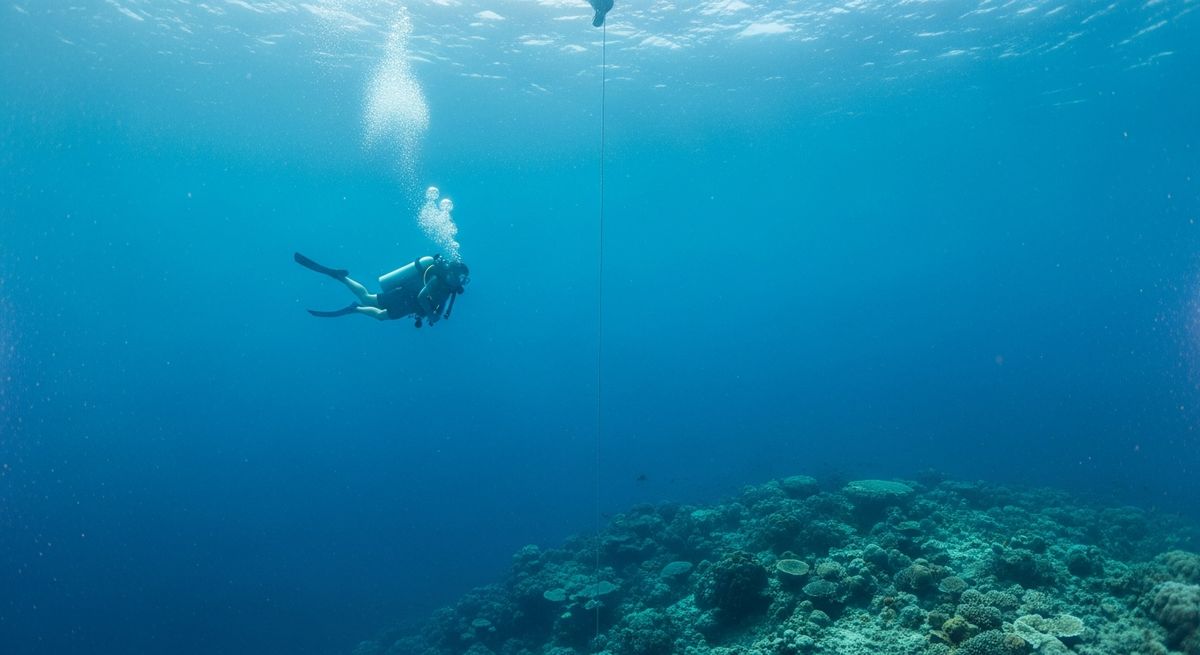
Bida Nai is one of those places that feels a bit more rugged than some of its Similan neighbours, and that's exactly why we like it. The site is a limestone island, and those dramatic rock formations continue below the surface, creating some great swim-throughs and gullies to poke around in. We usually see plenty of zigzag clams clinging to the walls, and there are some truly massive gorgonian sea fans swaying in the current. It’s a good spot for divers who enjoy exploring rocky topography, rather than just drifting over coral. You’ll often find us taking our time here, just enjoying the quiet feel of the place.
Nearest Dive Centres to Bida Nai
Dive shops near Bida Nai
Island Divers
Phi Phi Scuba Diving Center
Barakuda Dive Centre
Profun Divers Academy
Sea Frog
Phi Phi Diving
Reviews for Bida Nai
Conditions
Ocean conditions, forecast and tides for Bida Nai
Bida Nai Ocean Conditions
Monthly averages for Bida Nai, sourced from Open-Meteo marine data + Copernicus Marine (EU) - nearest station: Open-Meteo marine grid (8.1, 98.3) (6km away)
October Averages
Sea Temperature
30°C
85°F · Range: 28.7–30.4°C
Current Speed
5.1 cm/s
Direction: S (191.3°)
Salinity
29.75 PSU
Based on 4 years of monitoring data · Data sources: Open-Meteo marine data + Copernicus Marine (EU)
Plan & book
Ways to dive Similan Islands, from day trips to liveaboards.
Day trips & courses
via GetYourGuideGuided dives, courses and snorkel trips with instant booking.
Find dive trips in Similan IslandsPlaces to stay
via Booking.comHotels and dive resorts near Similan Islands.
Search stays in Similan IslandsDive insurance
Most travel insurance excludes or limits scuba. Check what you need before you go.
Dive insurance explainedPartner links: we may earn a commission if you book, at no extra cost to you. How we make money
Where to Stay near Bida Nai
Prices from Booking.com. We may earn a commission at no extra cost to you.