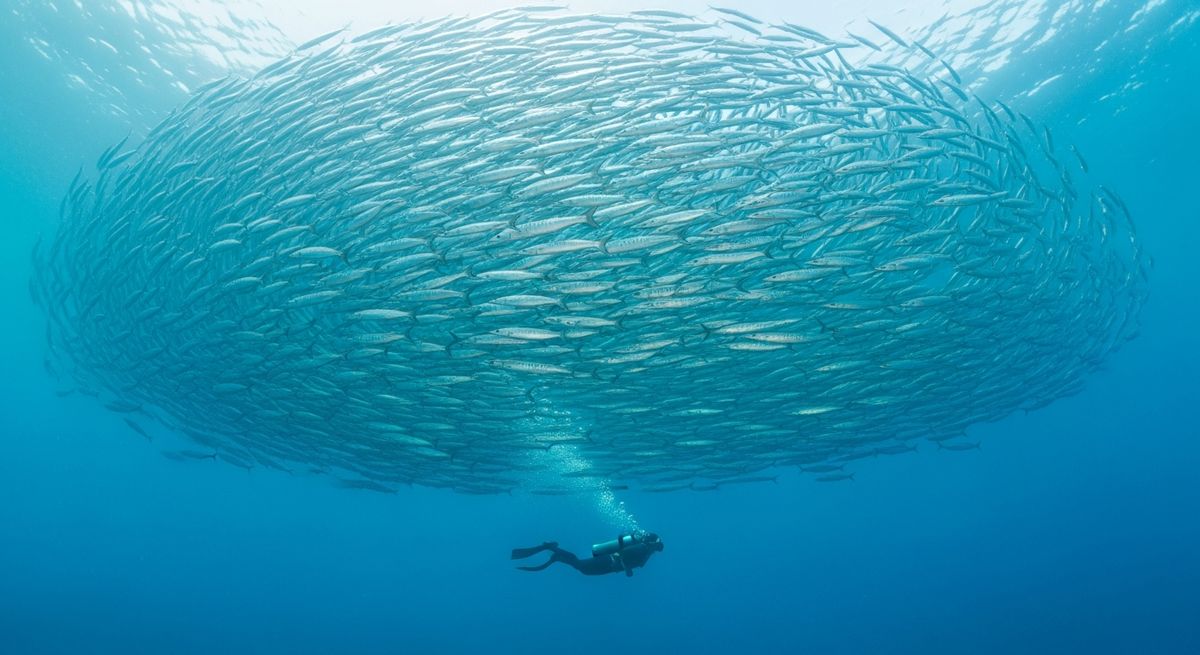
Similan Islands - Elephant Head Rock
Protected Area
Mu Ko Similan
Why dive here
With 173+ marine species recorded in the area - including blacktip reef sharks, eagle rays, giant moray eels, whale sharks and clownfish - Similan Islands - Elephant Head Rock offers some of Similan Islands's richest diving. Water ranges 29-31°C, warmest April, May, June.
Elephant Head Rock is a Similan classic, and for good reason. It’s a proper playground, a maze of giant granite boulders stacked on top of each other, creating tunnels and swim-throughs that just beg to be explored. We love tracing the light shafts as they cut through the water, illuminating patches of sand or a solitary sweetlips hiding in the shadows. There’s always a surprise around the next corner – a big checkerboard wrasse zipping past, or maybe a curious singular bannerfish eyeing you from an overhang. Drop down to about 20 metres and you'll often spot leopard sharks snoozing on the sand, completely unfazed by divers. We’ve found the currents here can be a bit shifty, so a good guide makes all the difference, helping you navigate the best routes through the rock formations. The deeper sections, around 25-30 metres, are where we've occasionally seen manta rays gliding by, especially between November and February when the plankton blooms. It’s an ideal spot if you enjoy navigating tricky rockscapes and seeking out big fish in the blue.
Reviews for Similan Islands - Elephant Head Rock
Conditions
Ocean conditions, forecast and tides for Similan Islands - Elephant Head Rock
Similan Islands - Elephant Head Rock Ocean Conditions
Monthly averages for Similan Islands - Elephant Head Rock, sourced from Open-Meteo marine data + Copernicus Marine (EU) - nearest station: Open-Meteo marine grid (8.1, 98.3) (6km away)
October Averages
Sea Temperature
30°C
85°F · Range: 28.7–30.4°C
Current Speed
5.1 cm/s
Direction: S (191.3°)
Salinity
29.75 PSU
Based on 4 years of monitoring data · Data sources: Open-Meteo marine data + Copernicus Marine (EU)
Plan & book
Ways to dive Similan Islands, from day trips to liveaboards.
Day trips & courses
via GetYourGuideGuided dives, courses and snorkel trips with instant booking.
Find dive trips in Similan IslandsPlaces to stay
via Booking.comHotels and dive resorts near Similan Islands.
Search stays in Similan IslandsDive insurance
Most travel insurance excludes or limits scuba. Check what you need before you go.
Dive insurance explainedPartner links: we may earn a commission if you book, at no extra cost to you. How we make money
Where to Stay near Similan Islands - Elephant Head Rock
Prices from Booking.com. We may earn a commission at no extra cost to you.