Arctic & Antarctic Diving Adventures

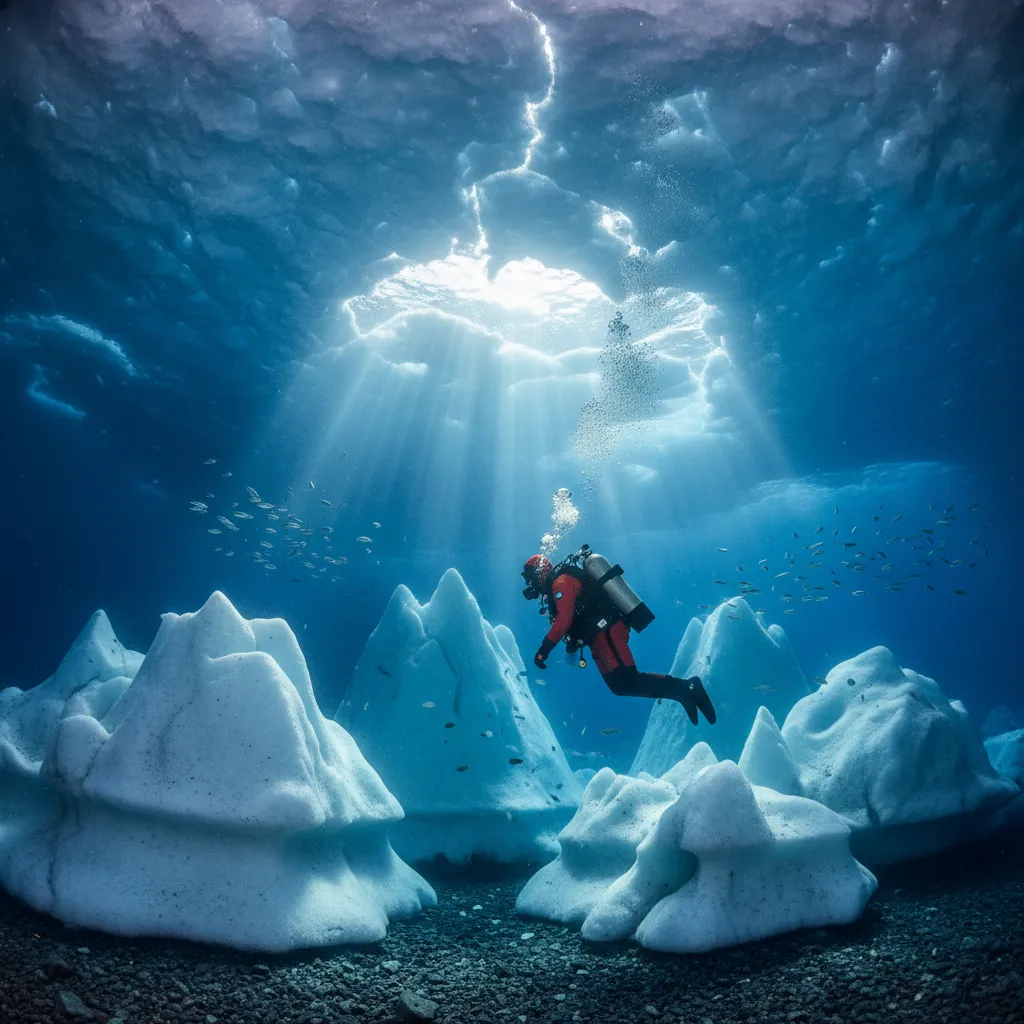
Polar diving is the ultimate frontier of recreational scuba - an extreme environment where the cold, the isolation, and the sheer otherworldliness of the underwater landscape create an experience that redefines what diving can be. Beneath the ice, crystal-clear water reveals a world of ethereal beauty: cathedral-like ice formations glowing blue and green, leopard seals hunting with balletic grace, schools of Antarctic silverfish navigating ice canyons, and marine life so alien it seems borrowed from another planet. Polar diving demands serious commitment - drysuit skills, cold tolerance, and a willingness to endure brutal surface conditions - but rewards those qualities with memories that no tropical reef can match.

Arctic vs. Antarctic Diving

Arctic diving is more accessible, with destinations in Norway (Tromsø, Lofoten), Iceland, Greenland, and Canada (Nunavut). Highlights include orca encounters in Norwegian fjords, diving the Silfra fissure between tectonic plates in Iceland, and ice diving under Arctic sea ice. Antarctic diving requires joining an expedition cruise to the Antarctic Peninsula - these typically depart from Ushuaia, Argentina and take 2-3 days to cross the Drake Passage.

What You Need

A drysuit is mandatory - water temperatures range from -2°C to 5°C. Most polar dive operations require drysuit certification and a minimum of 30 drysuit dives. Thermal undergarments rated for these temperatures, a drysuit hood, and dry gloves are essential. Regulators must be cold-water rated to prevent freeflow in sub-zero water. Many expedition operators provide specialist equipment, but bringing your own well-maintained drysuit ensures comfort and reliability.

5 Top Destinations

  1. Silfra & Strytan, Iceland

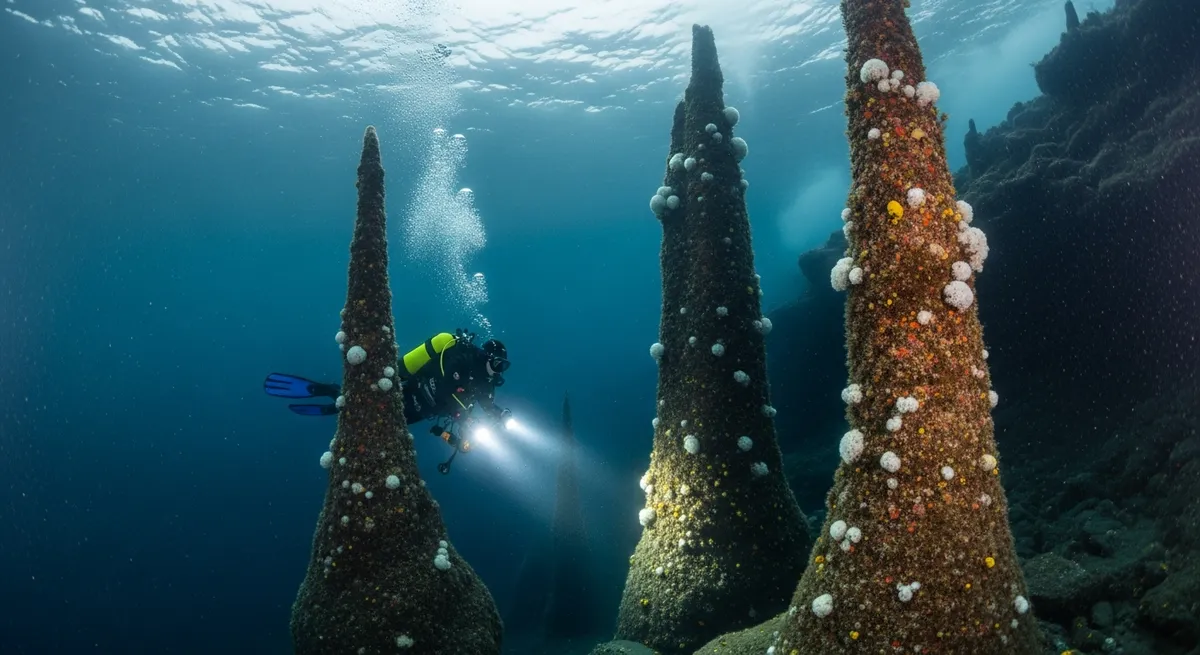
    Dive between tectonic plates at Silfra with 100m visibility, and explore geothermal chimneys at Strytan in Arctic waters.
  2. Norway

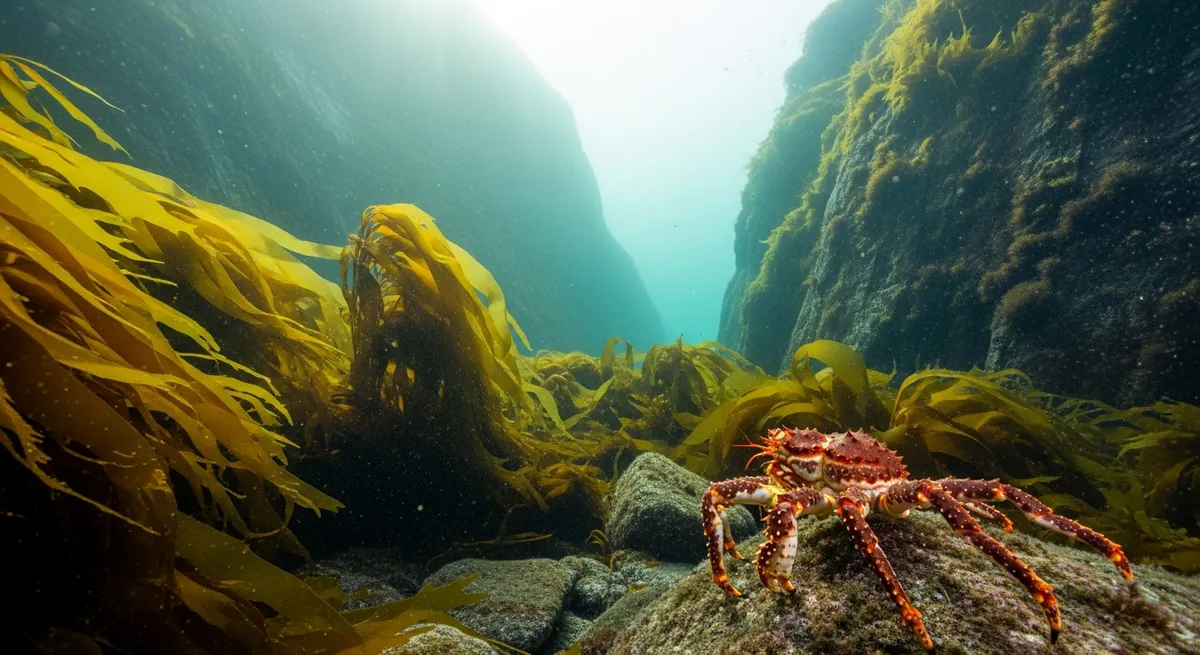
    Orca encounters in Tromsø fjords, cold-water coral gardens in Lofoten, and king crab diving in the Arctic north.

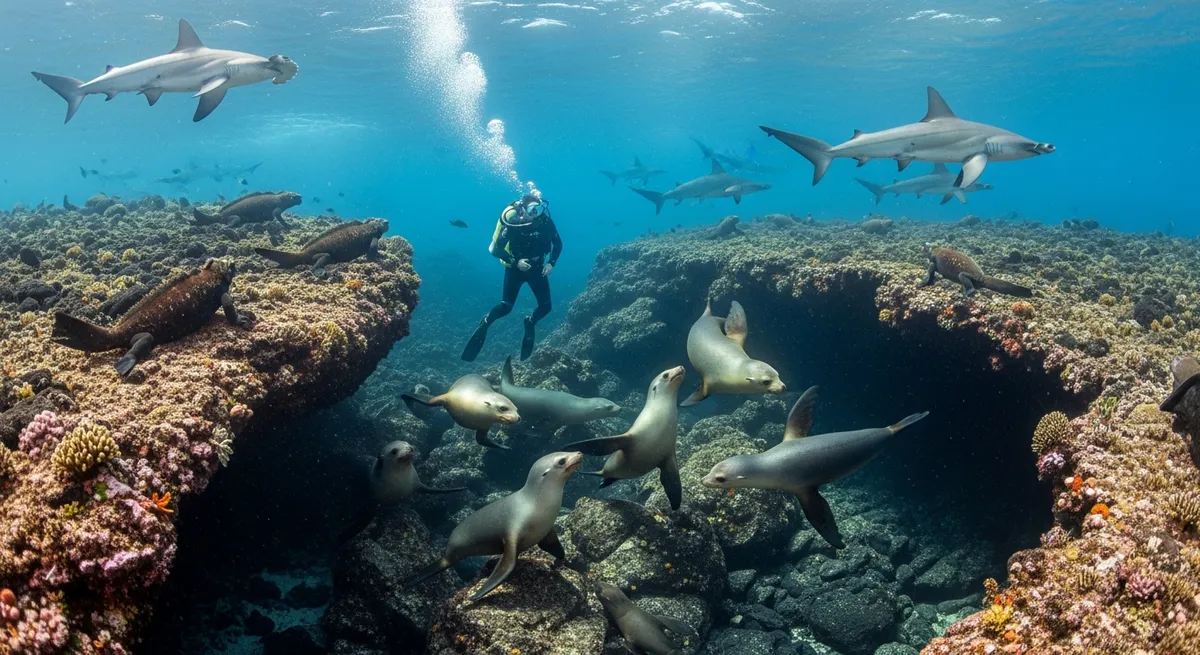
  3. Sub-Antarctic Galápagos, Ecuador

    Cold Humboldt Current creates sub-polar conditions with penguins, marine iguanas, and fur seals in equatorial waters.
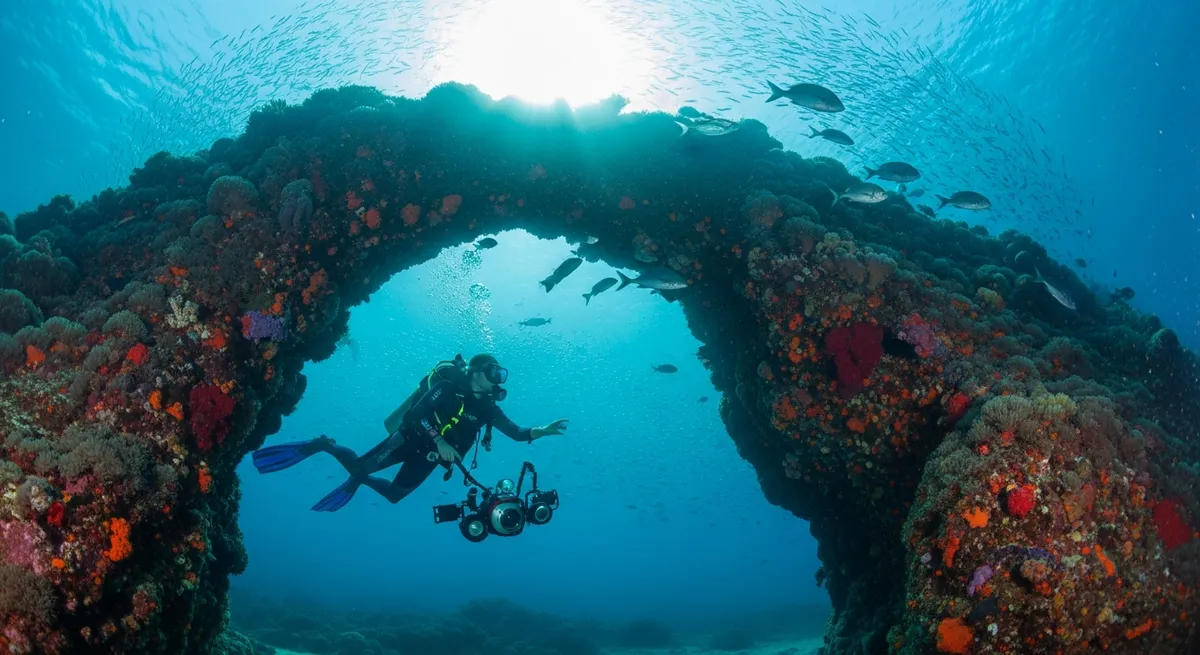
  4. Poor Knights Islands, New Zealand

    Cold southern waters with massive kelp forests, subtropical-temperate mixing zone, and Jacques Cousteau's top-10 dive site.
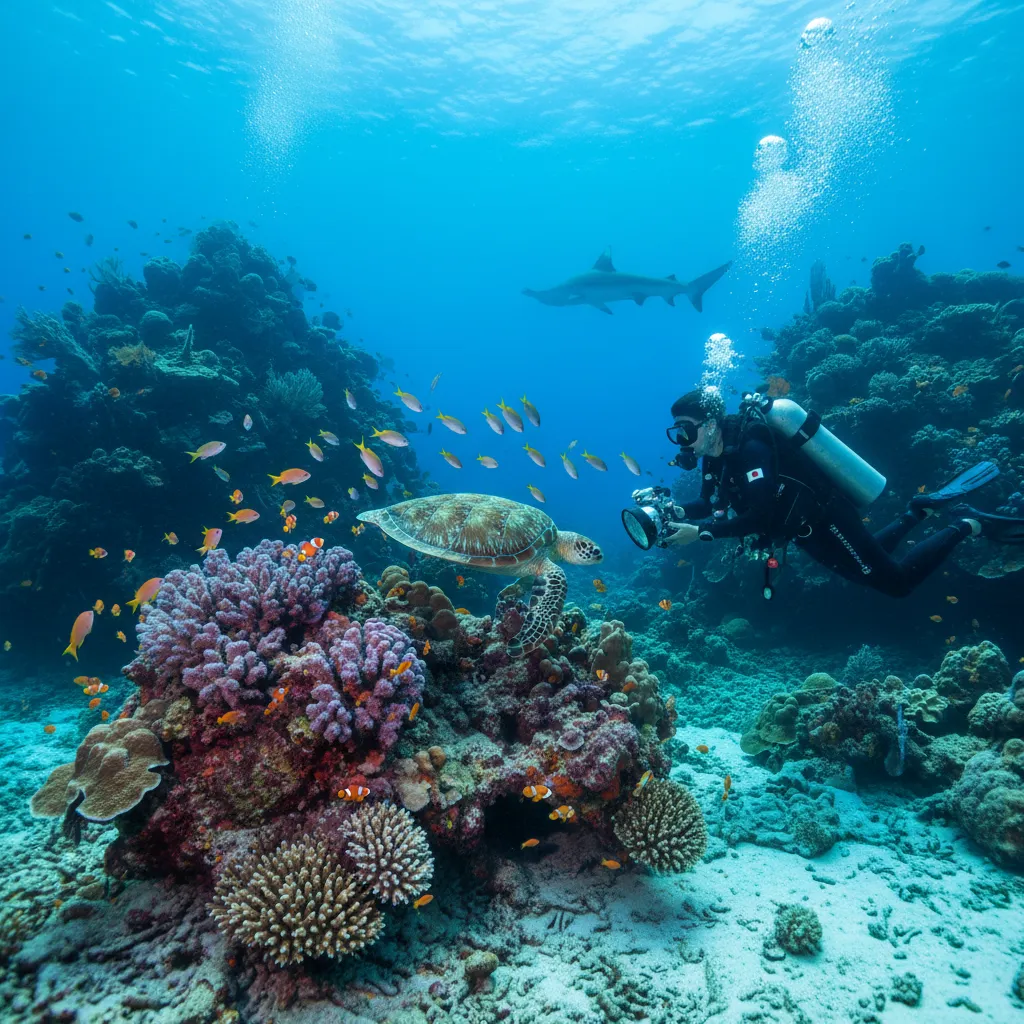
  5. Northern Japan

    Ice diving under drift ice in Hokkaido, plus unique cold-water species and the world's northernmost coral reefs in the Ryukyu chain.

Frequently Asked Questions

How cold is the water in polar diving?

Water temperatures in polar diving range from -1.8°C (the freezing point of seawater) to about 5°C in summer. A drysuit with appropriate thermal undergarments is mandatory. Dive times are typically 30-45 minutes due to cold exposure. Despite the cold, the clarity of polar water - often exceeding 30 metres visibility under ice - is extraordinary and unlike anything in warmer waters.

What marine life can you see in polar waters?

The Arctic offers orca encounters (<a href="/region/mediterranean-europe/norway">Norway</a>), beluga whales (<a href="/region/north-america/canada">Canada</a>), Greenland sharks, and dense cold-water coral gardens. Antarctic waters host leopard seals, Weddell seals, Antarctic fur seals, penguins underwater, massive jellyfish, and unique invertebrates adapted to extreme cold. Both poles feature incredibly clear water and dramatic ice formations that create otherworldly underwater landscapes.

How much does a polar diving expedition cost?

Arctic diving in <a href="/region/mediterranean-europe/norway">Norway</a> or <a href="/region/mediterranean-europe/iceland">Iceland</a> ranges from $2,000-$5,000 for a week including dives. Antarctic dive expedition cruises cost $10,000-$25,000 for 10-14 days including the Drake Passage crossing, accommodation, meals, and daily diving. Prices reflect the extreme logistics, specialist equipment, and remoteness of these destinations.

When is the best time of year to go polar diving?

For Antarctica, the dive season typically runs from November to March, coinciding with summer and offering longer daylight hours and more accessible waters. Arctic diving usually takes place between June and September when ice has broken up sufficiently to allow ship access and maximize chances of wildlife encounters.

What specialized diving equipment is essential for a polar expedition?

A high-quality drysuit with thick thermal undergarments is paramount to prevent hypothermia, along with sturdy boots to manage shore excursions. You'll also need two independent, cold-water-rated regulators, thick five-finger gloves or mitts, and a well-insulated hood for maximum warmth and safety.

What diving certifications and experience are typically required for polar diving?

Most operators require advanced open water certification and a drysuit specialty, along with demonstrable experience in drysuit diving in cold water conditions. Significant cold water experience, including proficiency with complex gear setups, is often considered more crucial than an ice diver specialty.

What are the typical surface conditions I should expect during a polar diving trip?

Expect consistently cold air temperatures, often below freezing, coupled with significant wind chill which can make surface intervals challenging. While dive sites are usually in sheltered areas, transits between locations can involve rough seas, so seasickness medication is advisable.

How does polar diving differ from cold water diving in temperate regions?

Polar diving is fundamentally an overhead environment due to the ice, leading to unique lighting and specific safety protocols like line tenders and often diving directly from a Zodiac. The isolation, pristine clarity, and the unique, untouched ecosystem beneath the ice create an unparalleled sense of exploration not found in temperate waters.