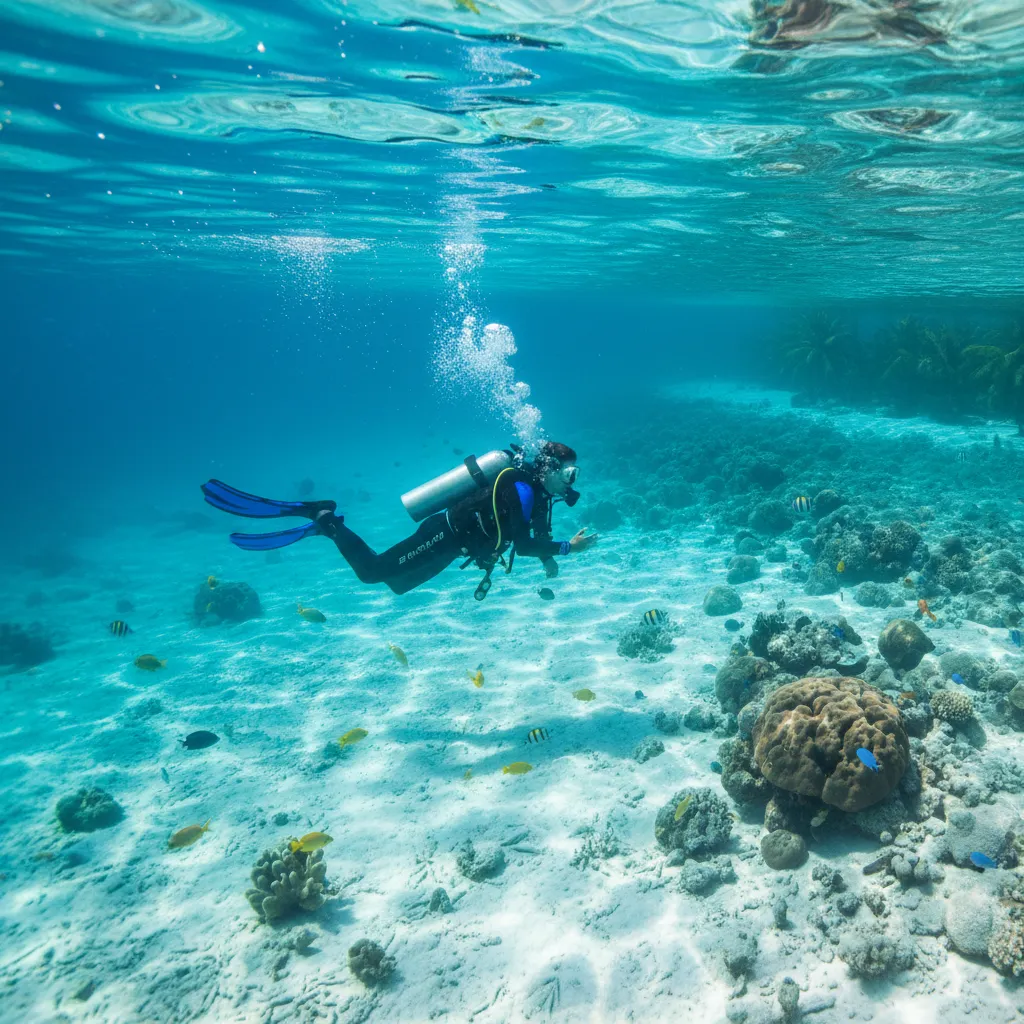
Best Diving for Beginners
Starting your scuba diving journey is one of the most exciting decisions you can make. These destinations combine warm, calm waters with excellent visibility and patient, professional instructors who will turn your first breaths underwater into a lifelong passion. From the gentle bays of Thailand to the crystal-clear Caribbean, every location on this list has been chosen for its forgiving conditions and abundance of shallow reefs teeming with marine life.
12 destinations in this collection
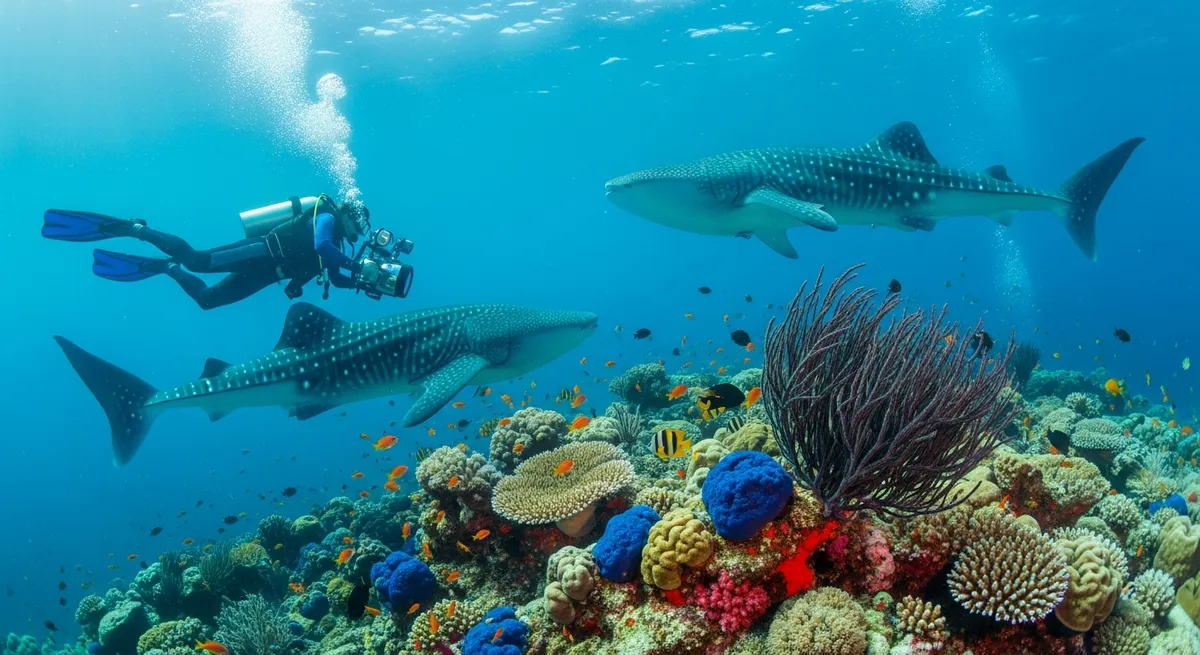
Koh Tao, Thailand
Thailand
The world's dive certification capital with warm, calm waters and hundreds of dive schools offering affordable courses year-round.
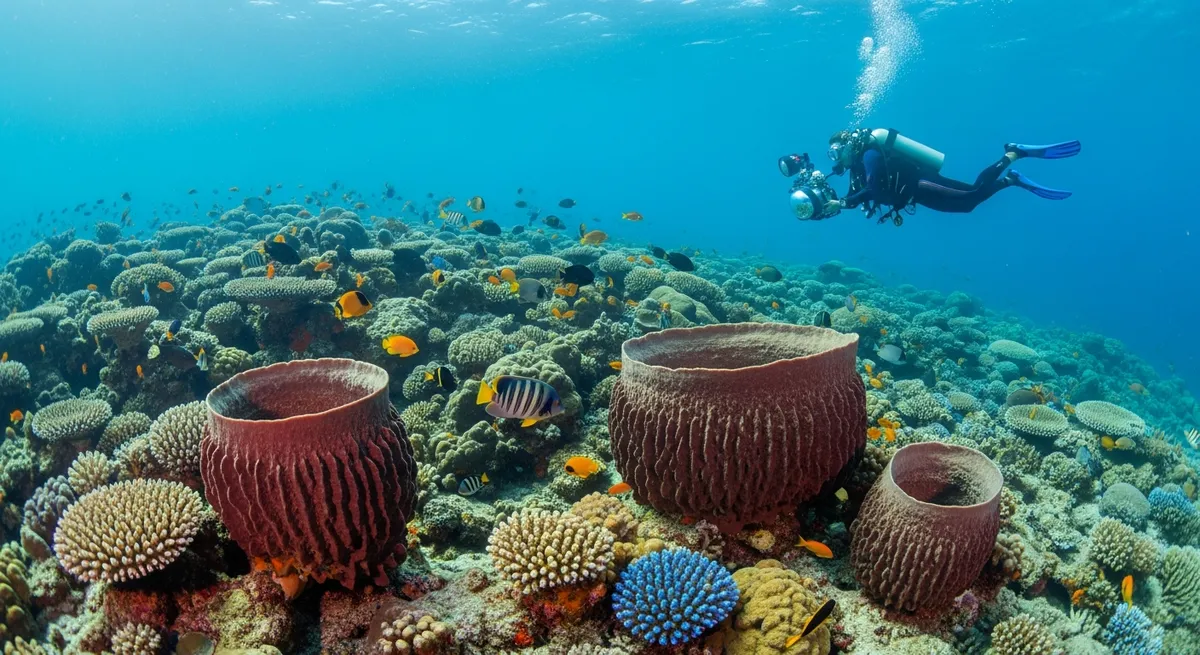
Cozumel, Mexico
Mexico
Crystal-clear Caribbean waters with gentle drift diving over pristine coral gardens - perfect for building confidence.
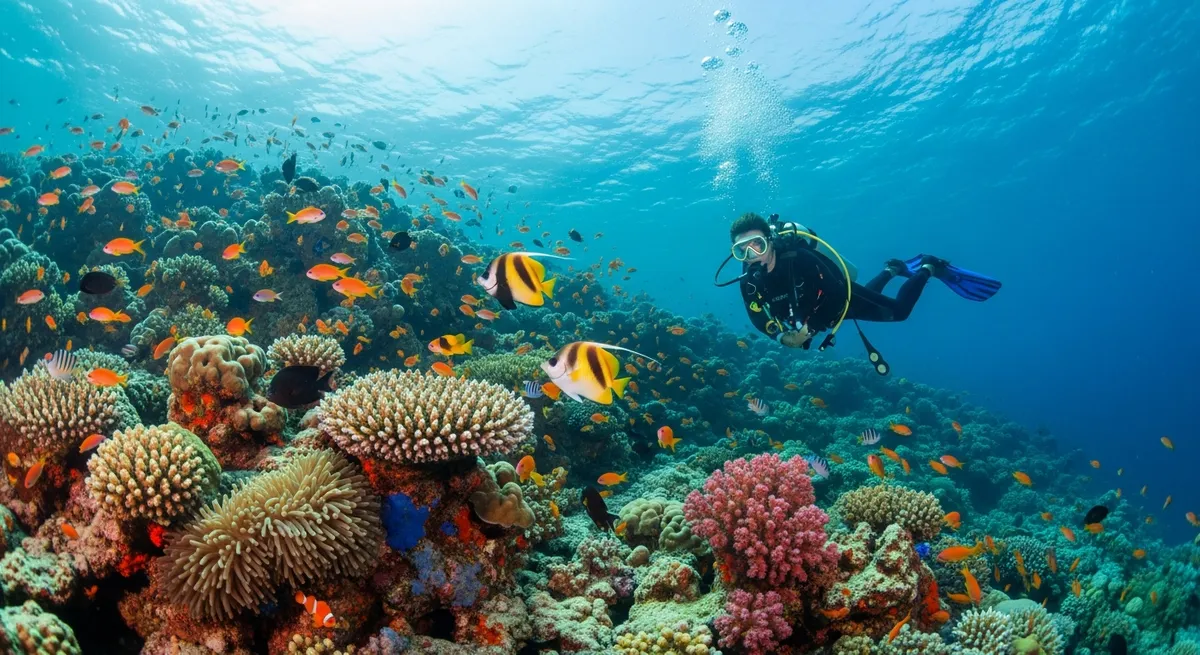

World-class house reefs with walk-in shore access, warm Red Sea water, and some of the best visibility on the planet.
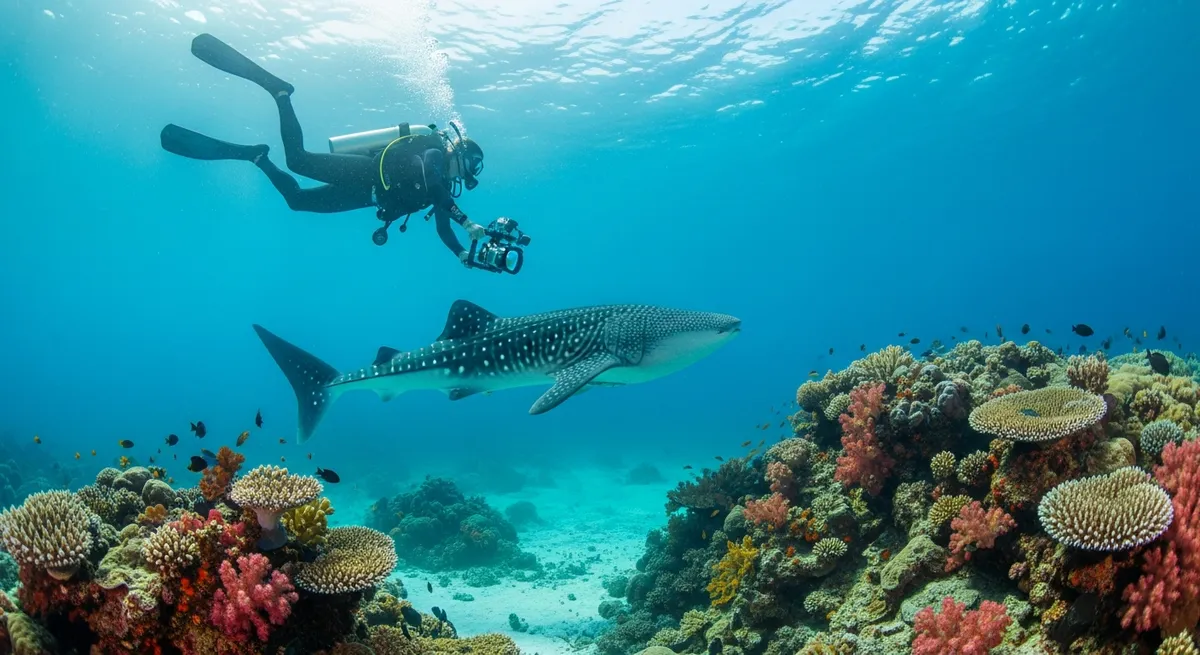
Utila, Honduras
Honduras
Budget-friendly Caribbean island with the cheapest dive certifications in the region and regular whale shark sightings.
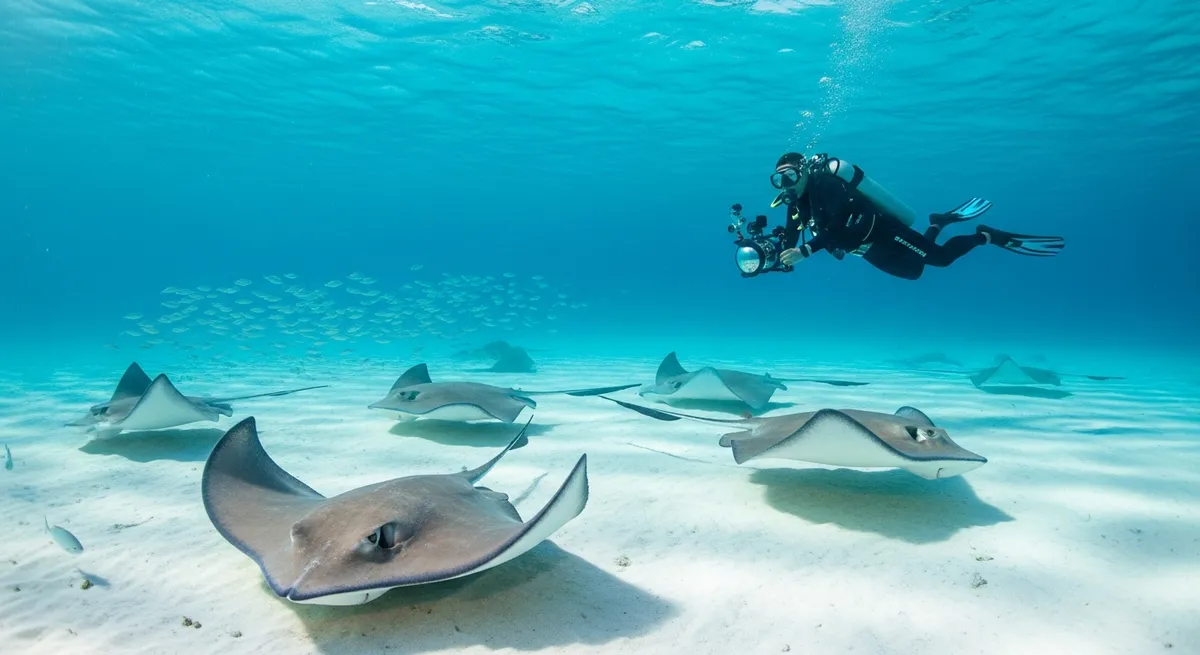
Grand Cayman, Cayman Islands
Cayman Islands
Calm, clear waters with famous Stingray City and shallow wall dives ideal for new divers gaining confidence.
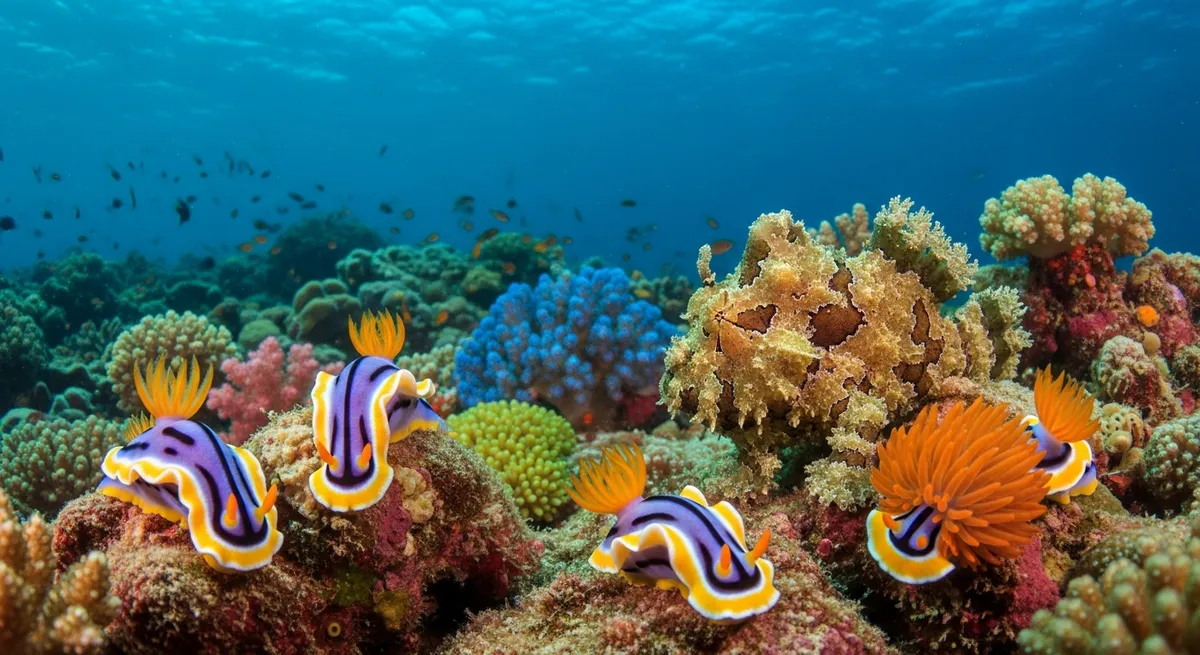
Anilao, Philippines
Philippines
Protected bays with minimal current, exceptional macro marine life, and dive resorts catering to all experience levels.
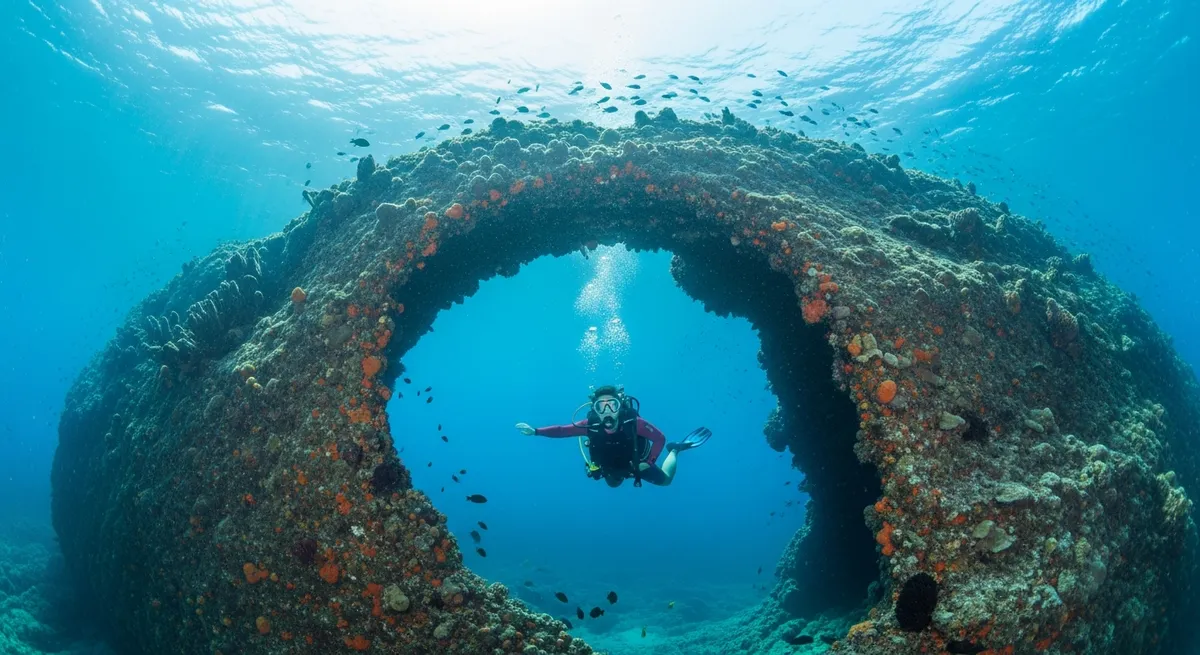
Gozo, Malta
Malta
Mediterranean gem with incredible visibility, shore-accessible dive sites, and the famous Blue Hole suitable for all levels.
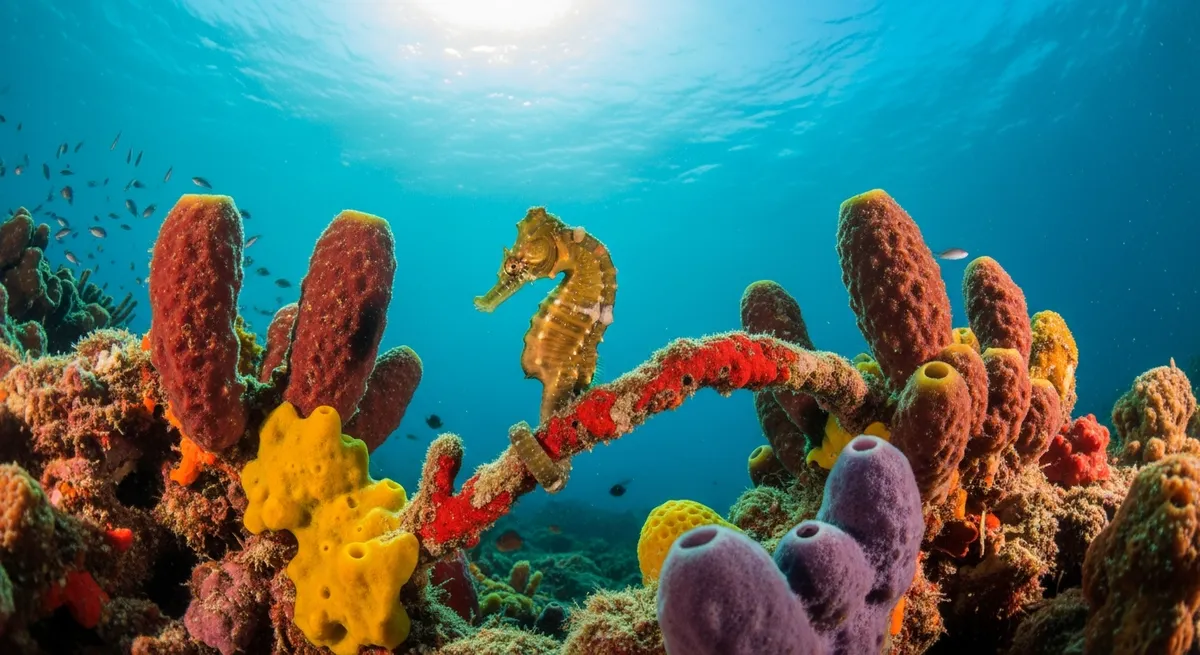
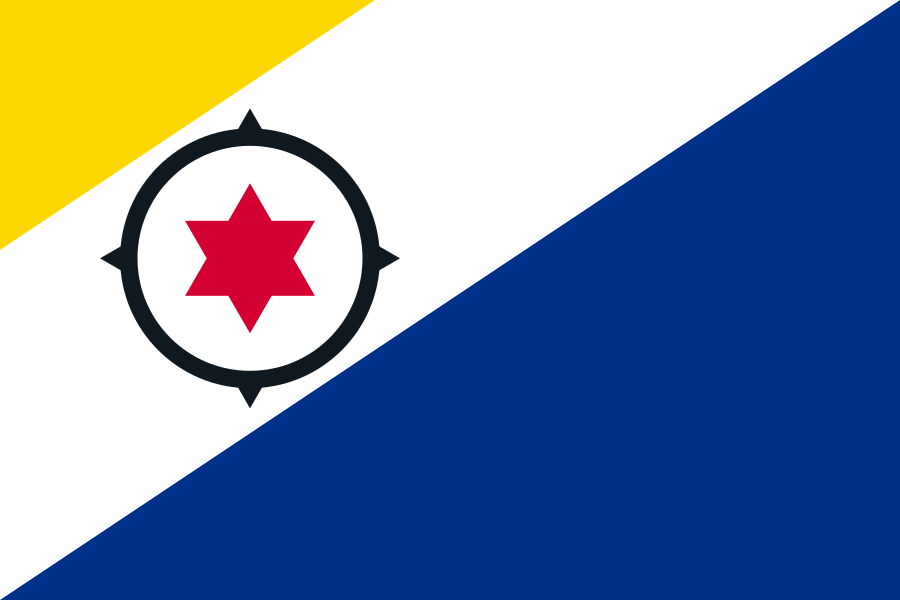
The leeward side of Bonaire offers incredibly calm, shallow waters with easy shore entries, ideal for beginners. Explore vibrant, healthy reefs teeming with marine life, enjoying minimal currents and excellent visibility for a relaxed first-time experience.
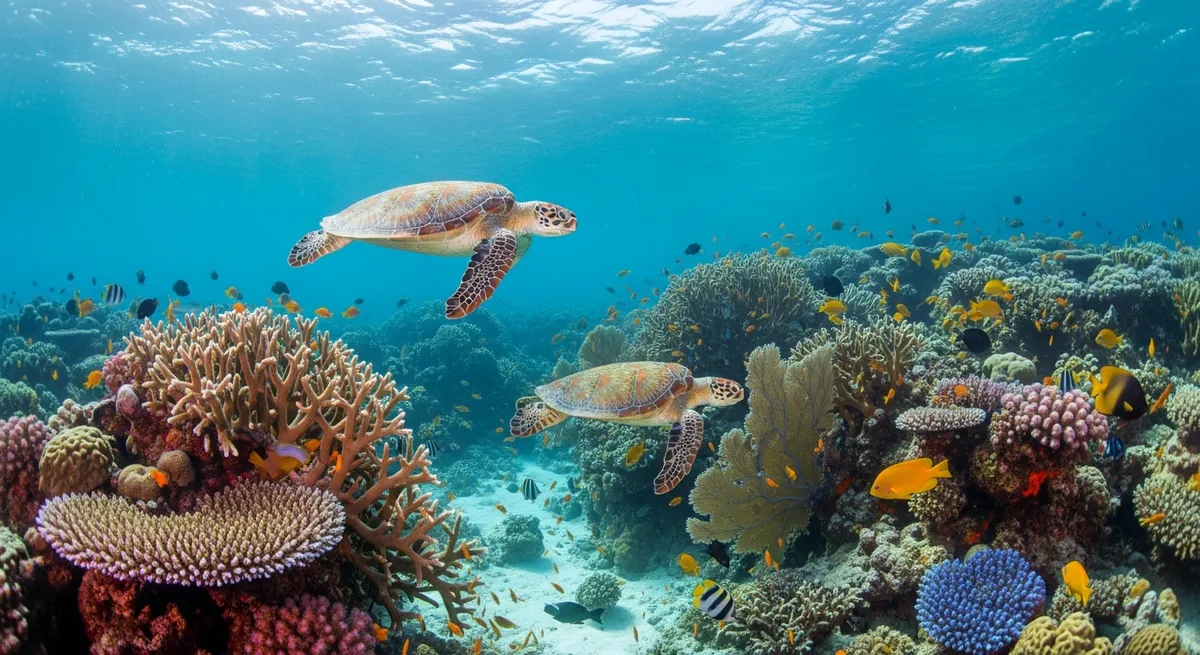
Beginner's Bliss in the Florida Keys
United States
Dive into the Florida Keys and discover why it's a top choice for new divers. Explore extensive shallow reefs and numerous accessible wrecks in consistently calm, warm waters. With excellent dive infrastructure and professional guidance, you'll gain confidence and make unforgettable memories.
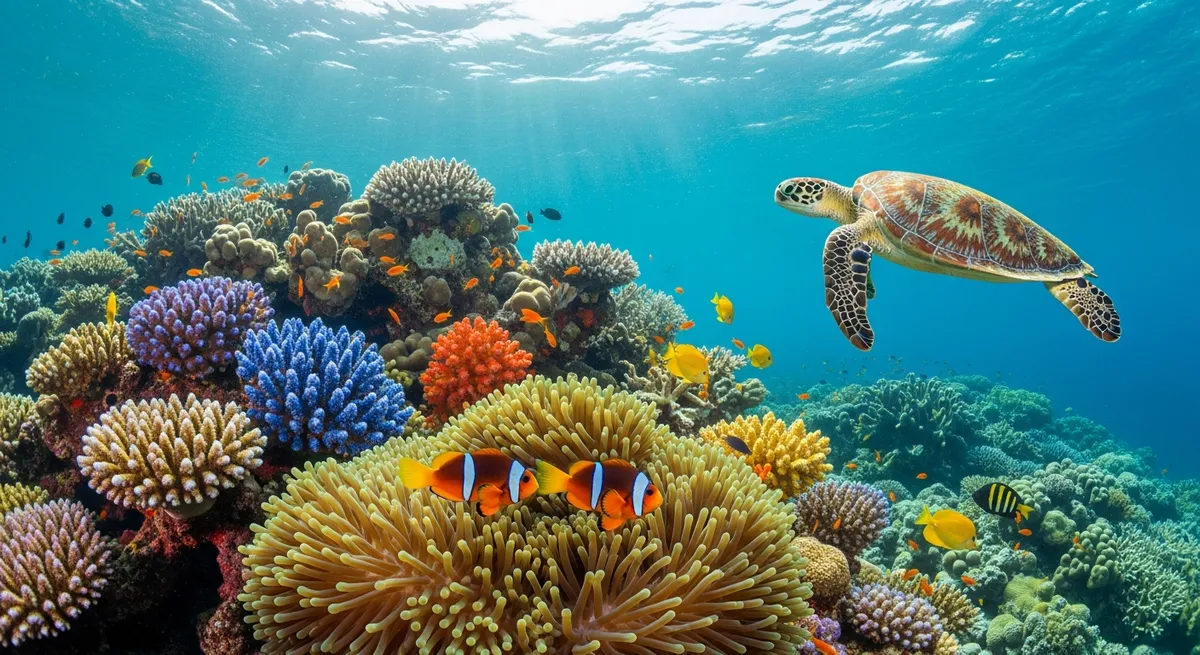

Many outer reef pontoon operations on the Great Barrier Reef provide incredibly calm, shallow, and vibrant sections, making it ideal for first-time divers. These dedicated areas offer a safe and stunning environment to earn your certification or experience your first breath underwater. It's a truly perfect introduction to the underwater world.
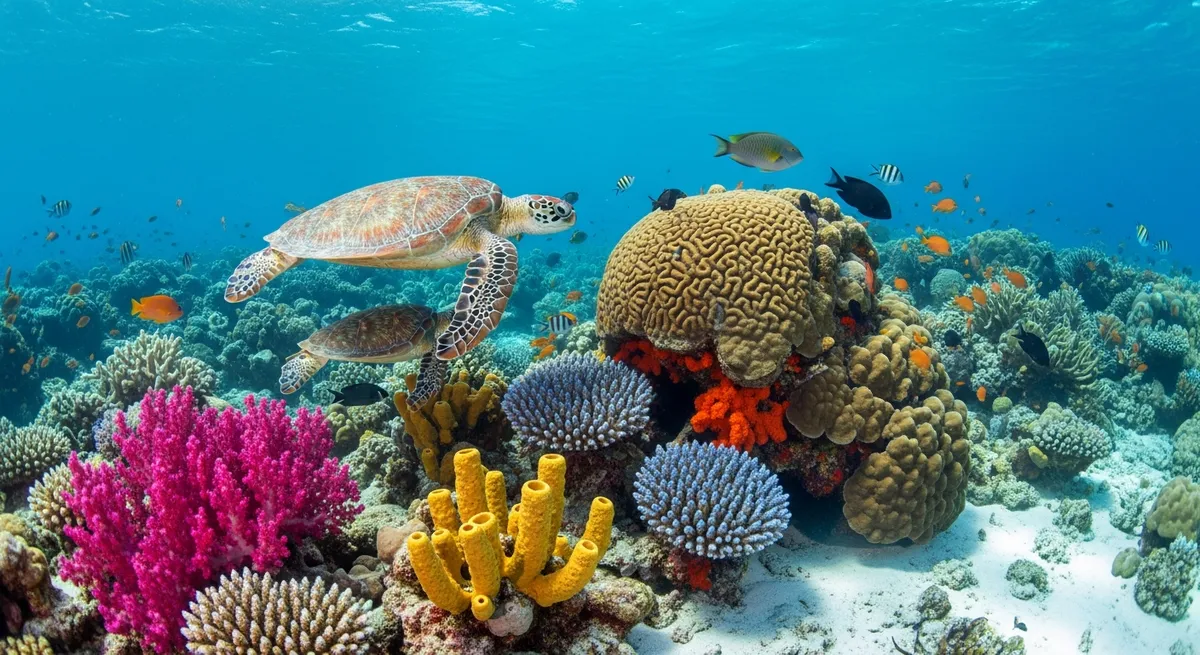
Providenciales: Your Easy Entry to Underwater Wonders
Turks & Caicos
Providenciales is a dream destination for new divers, boasting crystal-clear shallow reefs and consistently excellent visibility that make learning a breeze. Enjoy stress-free dives thanks to gentle currents, allowing you to focus on mastering skills and marveling at vibrant marine life in a calm, welcoming underwater environment.
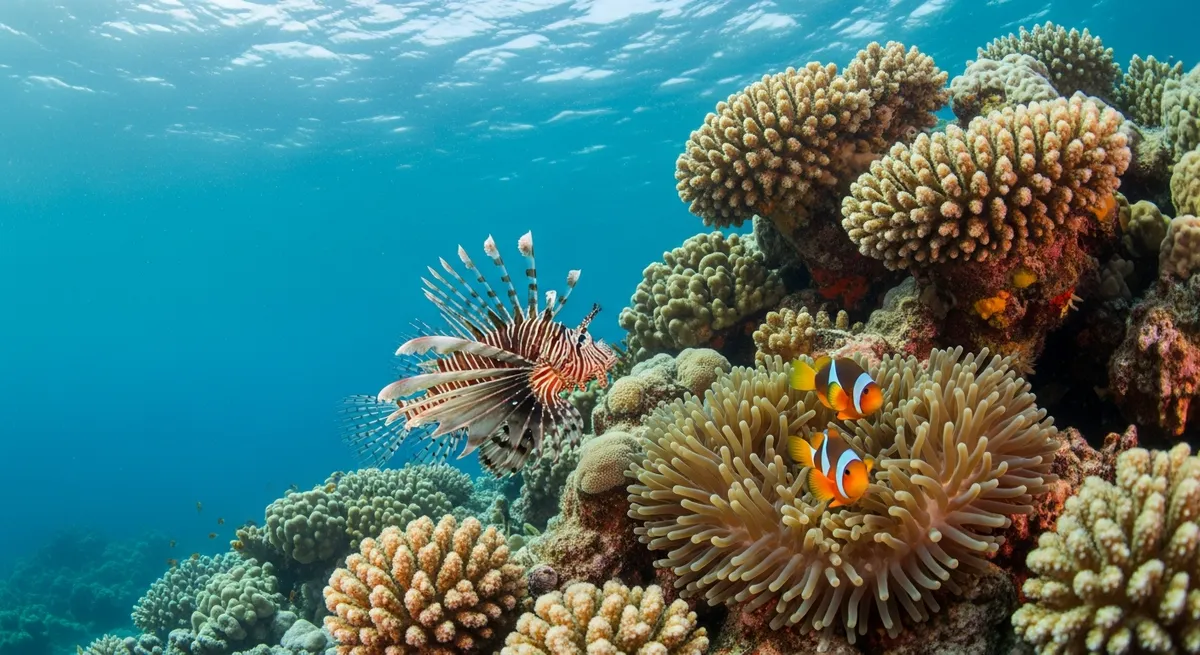
Hurghada is a top Red Sea choice for beginners, featuring numerous protected, shallow dive sites. These locations boast vibrant corals and abundant marine life in calm, clear waters. It's the perfect environment to learn, build confidence, and discover the underwater world stress-free.
About This Collection
What Makes a Great Beginner Diving Destination?
The best destinations for new divers share several key qualities: warm water above 26°C that eliminates the distraction of cold, visibility exceeding 15 metres so you can enjoy the reef without anxiety, gentle or nonexistent currents, and shallow reef systems between 5 and 18 metres where colourful fish and corals put on a show without requiring deep descents.
Equally important is the quality of dive instruction. The destinations below are home to some of the world's most experienced dive schools, many of which have trained tens of thousands of divers over decades. Competition keeps standards high and prices reasonable, and the sheer volume of students means instructors are adept at putting nervous first-timers at ease.
Top Picks for Your First Dives
Koh Tao in Thailand is often called the world capital of dive certification - more PADI Open Water cards are issued here than almost anywhere else on Earth. The combination of affordable courses, warm Gulf of Thailand waters, and a vibrant backpacker scene makes it irresistible for young travellers. Cozumel offers drift diving that feels effortless - the current does the work while you glide over pristine coral gardens in 30-metre visibility. The Red Sea resort of Sharm el-Sheikh has house reefs where you can walk in from the shore and be surrounded by parrotfish and butterflyfish within minutes.
Planning Your First Dive Trip
Budget three to four days for an Open Water certification course. Most destinations on this list offer courses starting every day of the week, so there is no need to book weeks in advance. Bring your own well-fitting mask if you can - it makes a significant difference to comfort. Everything else is provided by the dive school. Many of these destinations also offer excellent snorkelling, so non-diving travel companions will not be bored.