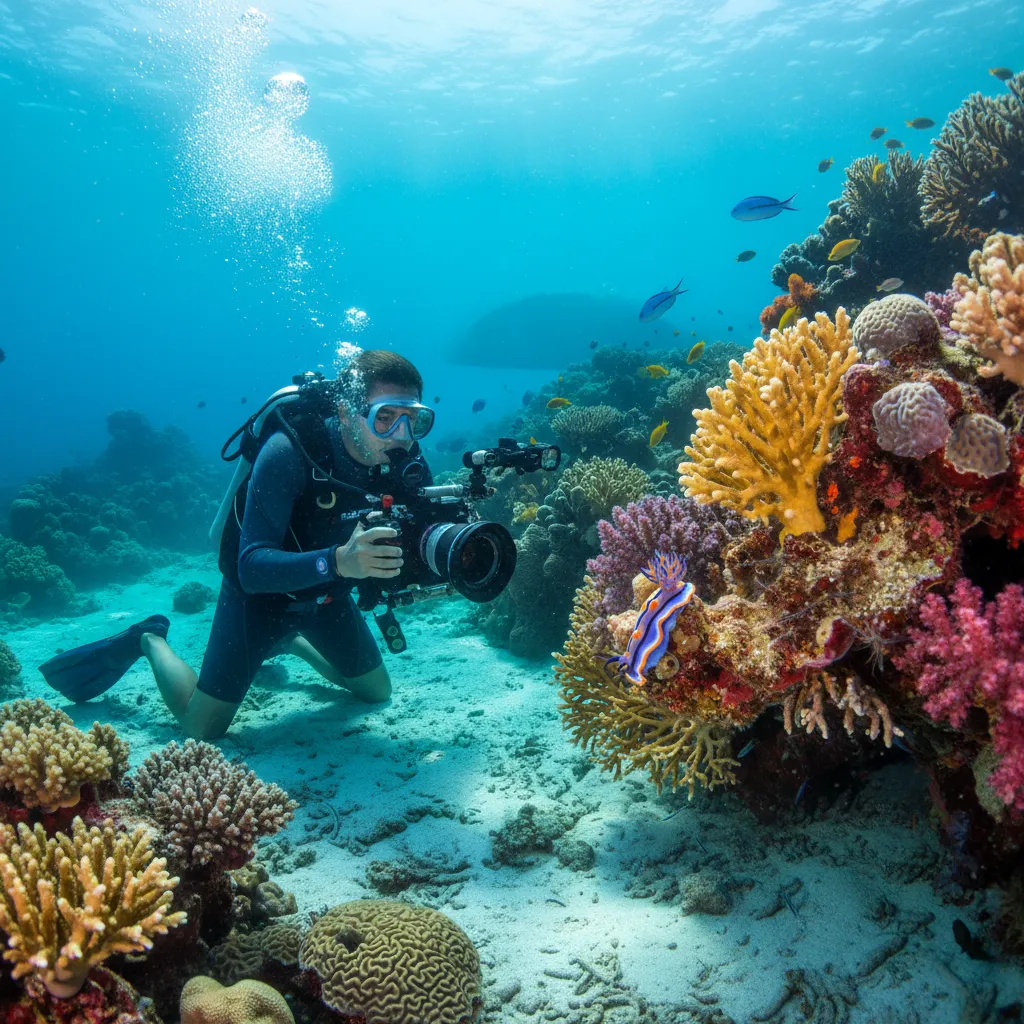
Best Destinations for Underwater Photography
Underwater photography transforms diving from a fleeting experience into lasting art. These destinations have been selected for the qualities that matter most to underwater photographers: exceptional visibility that lets your strobes reach the subject, cooperative and photogenic marine life, diverse shooting opportunities from wide-angle reefscapes to intimate macro portraits, and the kind of reliable conditions that ensure you come home with portfolio-worthy images rather than a memory card full of backscatter and blurred silhouettes.
10 destinations in this collection
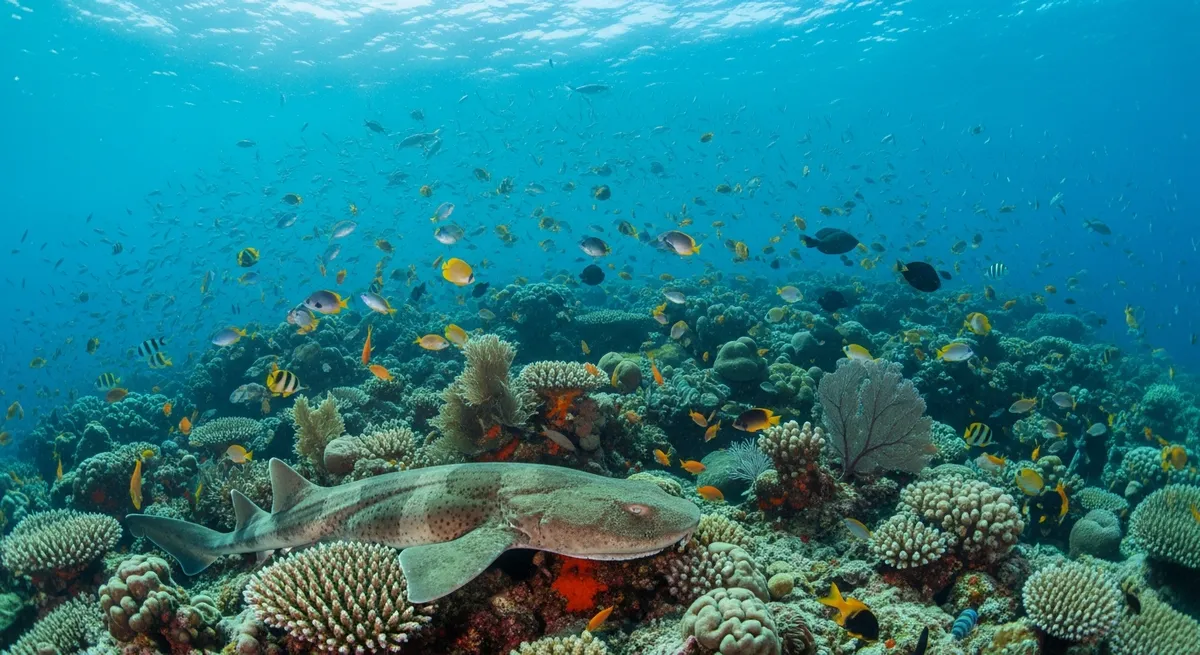
Raja Ampat, Indonesia
Indonesia
Unmatched biodiversity provides endless subjects - from manta rays and sharks for wide-angle to pygmy seahorses for macro.
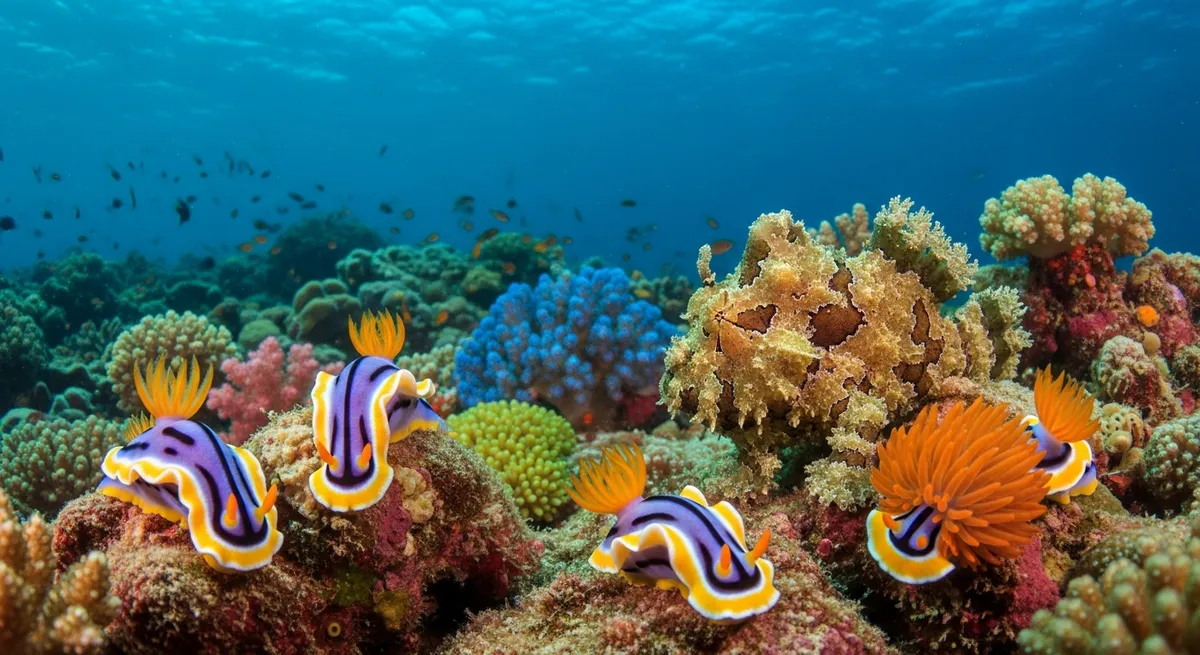
Anilao, Philippines
Philippines
World-class macro destination just hours from Manila with dedicated photo resorts, rinse tanks, and camera room facilities.
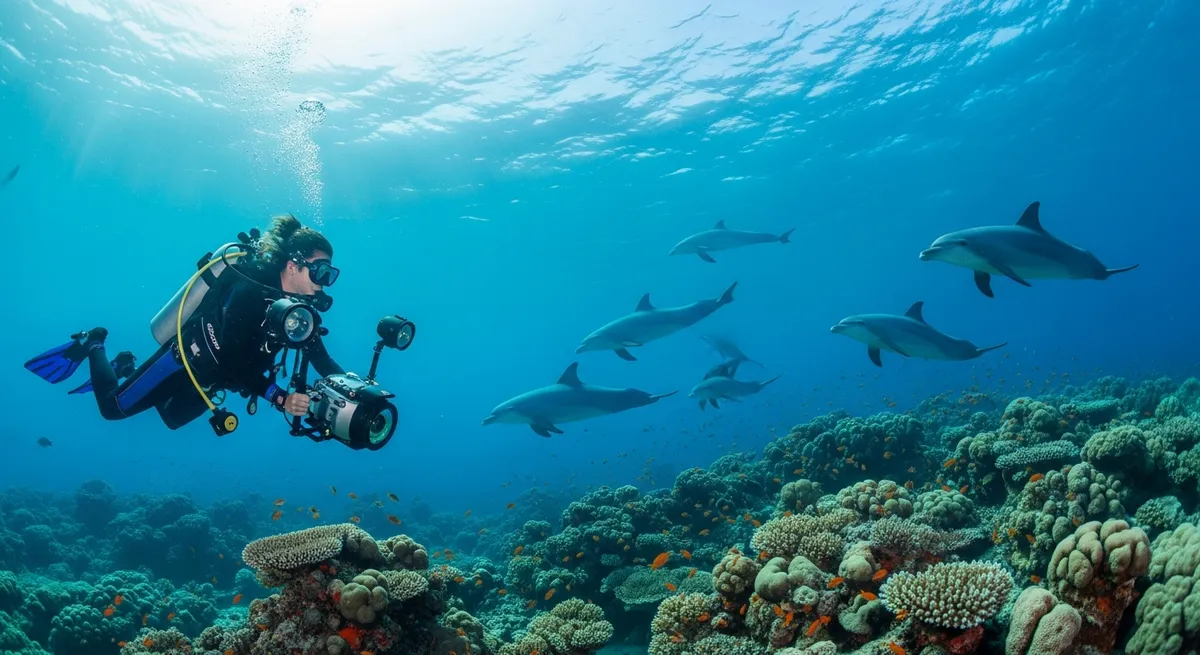

Crystal-clear visibility exceeding 30m makes this the premier wide-angle destination with sharks, soft corals, and dramatic walls.
Sipadan, Malaysia
Malaysia
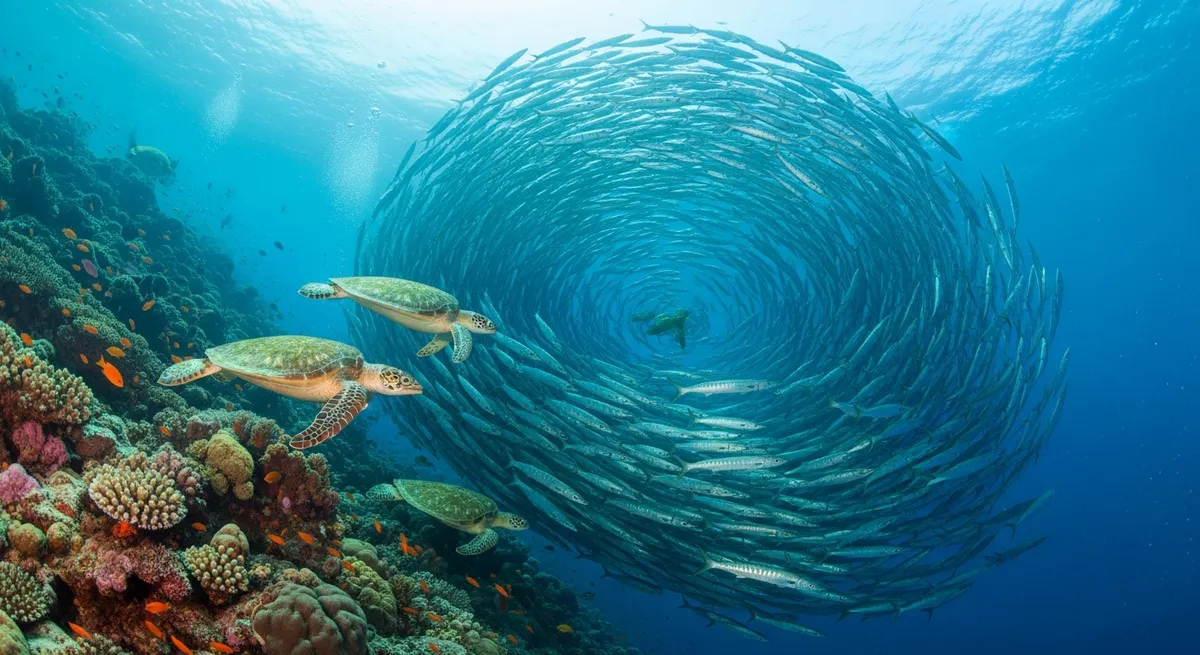
Barracuda tornados, turtle processions, and schooling fish create iconic wide-angle compositions in extraordinary visibility.
Socorro Islands, Mexico
Mexico
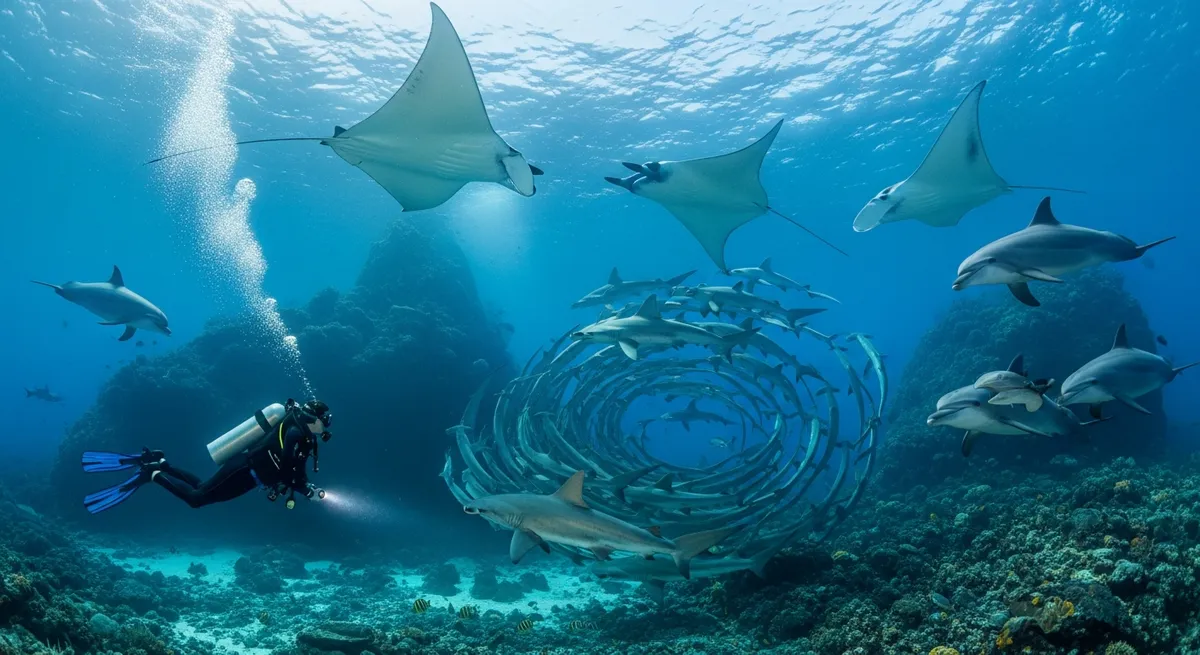
Giant mantas that approach photographers, humpback whales, and hammerhead schools - dream subjects for wide-angle shooters.
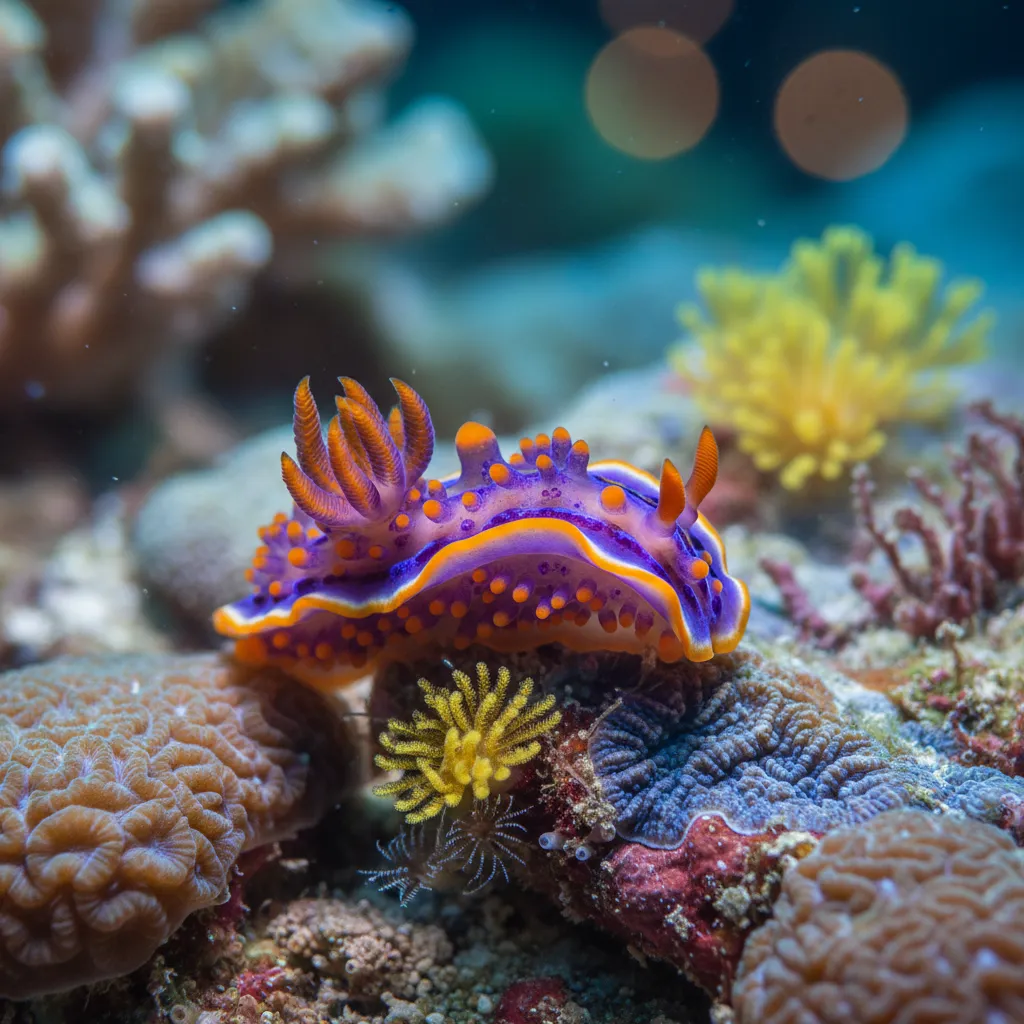
Master the art of photographing the ocean's most colourful creatures with our complete nudibranch species and photography guide.
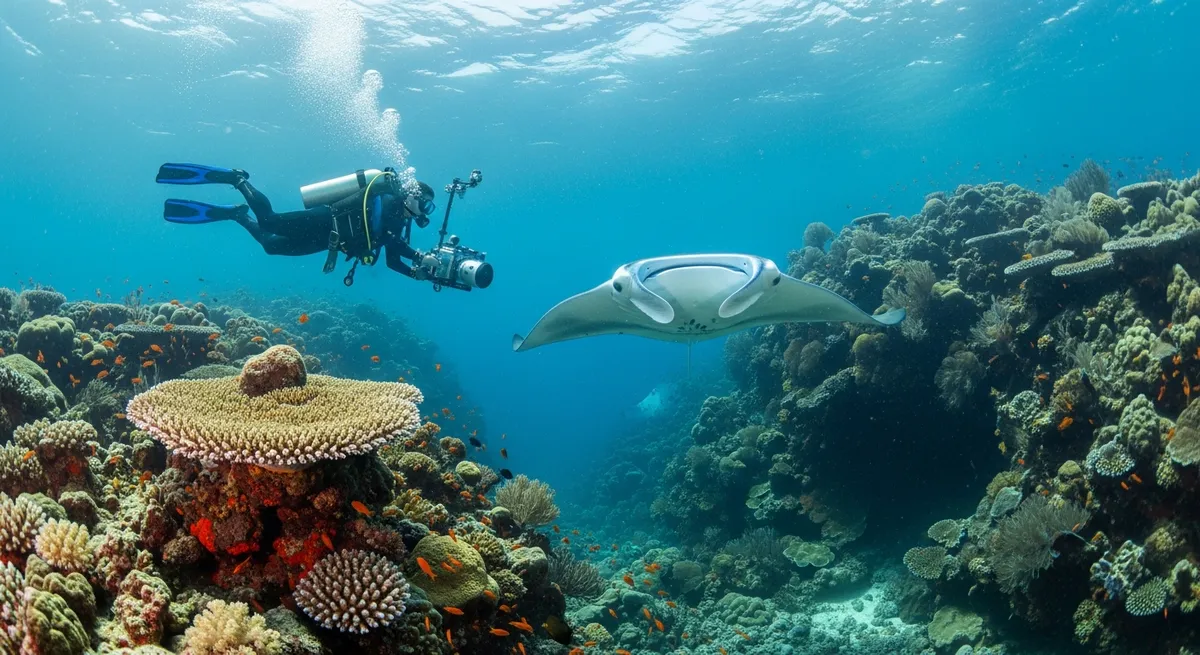
Komodo delivers unparalleled underwater photography opportunities, from graceful manta rays gliding through nutrient-rich currents to an astounding array of macro life hidden among vibrant, healthy coral gardens. Its diverse sites offer crystal-clear visibility and spectacular backdrops for every photographer.
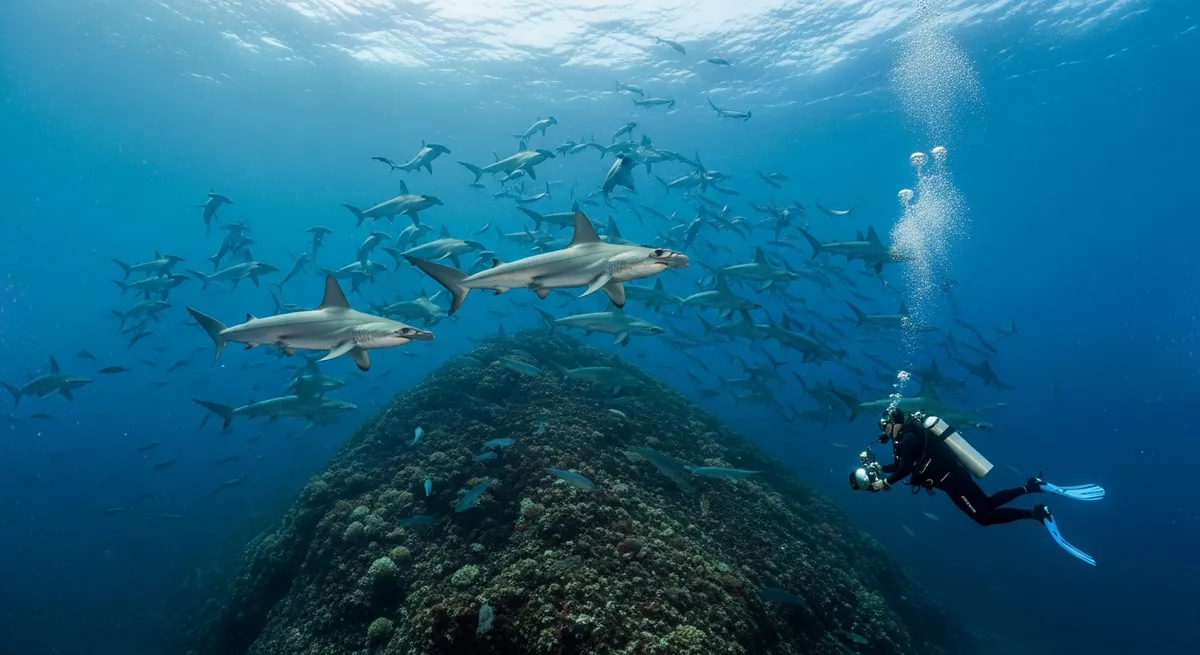

Dive Cocos for unparalleled chances to photograph thousands of schooling hammerhead sharks, an iconic underwater spectacle. Nutrient-rich waters also attract majestic mantas, silvertips, and whale sharks, offering incredible wide-angle opportunities for large pelagics.
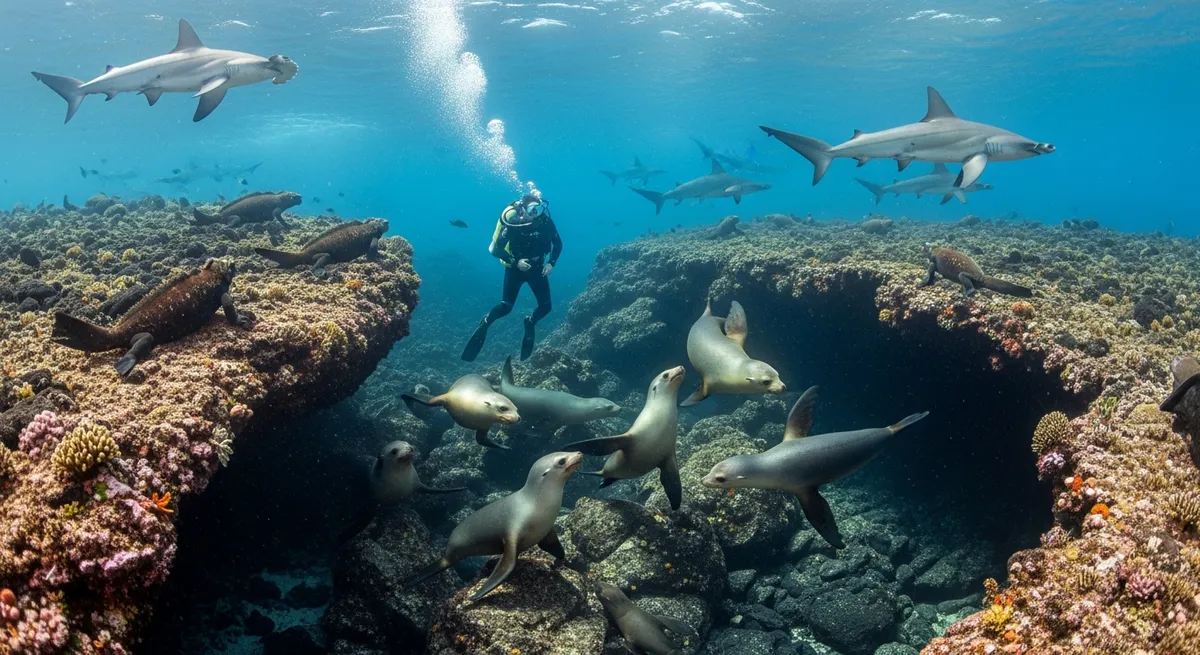
The Galápagos Islands are a wide-angle paradise for underwater photographers, showcasing unparalleled opportunities to capture unique endemic marine life such as iconic feeding marine iguanas. Engage your lens with large pelagic schools, including magnificent hammerheads, against dramatic volcanic backdrops. Every dive offers a spectacular chance to frame evolution's wonders through your camera.
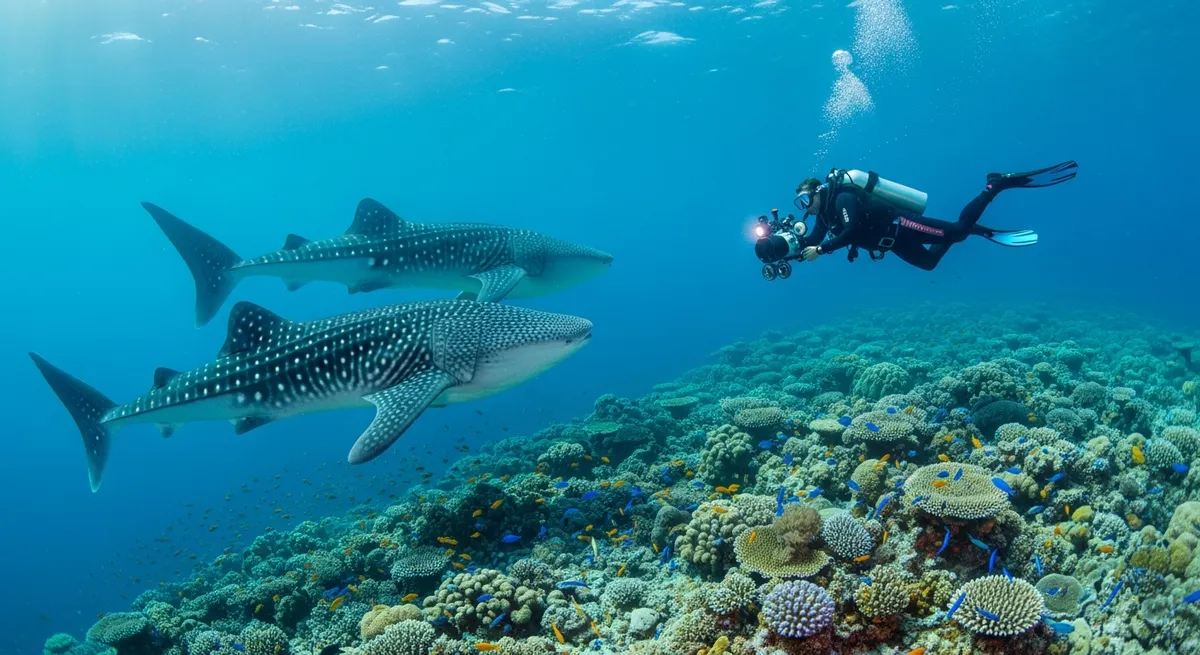

Dive into Al Lith and the Red Sea's exceptionally clear waters, offering unparalleled visibility for your lens. Capture vibrant coral reefs, dramatic wall dives, and iconic wrecks like the SS Thistlegorm, perfect for both stunning wide-angle vistas and intricate wreck photography. This region is a true photographer's dream.
About This Collection
What Makes a Great Underwater Photography Destination?
Three factors separate a good dive from a great photo dive: visibility, subject behaviour, and diversity of shooting opportunities. Visibility above 20 metres is essential for wide-angle work - it allows natural light to create blue-water backgrounds and lets strobe light reach subjects without illuminating suspended particles. Subject behaviour matters enormously: fish that are habituated to divers hold their position, allowing careful composition, while skittish subjects in high-traffic areas make photography frustrating.
The best photography destinations offer both macro and wide-angle opportunities on the same trip. Raja Ampat delivers wide-angle reef panoramas in the morning and pygmy seahorse macro sessions in the afternoon. Lembeh Strait is macro heaven but also offers striking wide-angle shots of coconut octopus and wonderpus displays. This diversity keeps your creative energy high throughout a week of intensive shooting.
Essential Gear Considerations
Most serious underwater photographers choose between a compact system (like the Olympus TG-series in a housing) for versatility, a mirrorless system (Sony, Nikon Z, Canon R) for image quality, or a full DSLR housing for the ultimate in control. Regardless of camera, dual strobes are the single most important accessory - they eliminate backscatter, create natural-looking illumination, and reveal the true colours of coral and marine life that are lost to blue water absorption at depth.