Milln Reef - The Whale
Protected Area
Michaelmas and Upolu Cays
Why dive here
With 154+ marine species recorded in the area - including hammerhead sharks, sea turtles, tiger sharks and napoleon wrasse - Milln Reef - The Whale offers some of Great Barrier Reef's richest cave diving. Water ranges 24-30°C, warmest January, February, March.
Milln Reef's "The Whale" is one of those sites we always try to hit when we're out from Cairns. It's not about huge drop-offs or tricky currents here, it's about pure, unadulterated reef immersion. We love drifting through the shallow coral gardens, particularly on a sunny afternoon when the light just punches through the water. You'll often find yourself surrounded by so many beautiful fusiliers that they practically blot out the sun for a second. Our favourite spots are the little bommies dotted around, each a miniature world. We've spent ages just watching the cheeky little Johnston Island Damsels darting amongst the coral or admiring the vibrant Coral Beauties. Keep an eye out for the Bullethead Parrotfish, too; they're always busy munching away. While it’s pretty straightforward diving, the sheer density of reef life makes it a standout. It's a perfect spot for photographers or anyone who just wants to really soak in the reef.
Typical Milln Reef - The Whale Dive Profile
Illustrative profile based on site depth and type. Actual dive profiles vary - always follow your dive computer and training.
Safety Notes
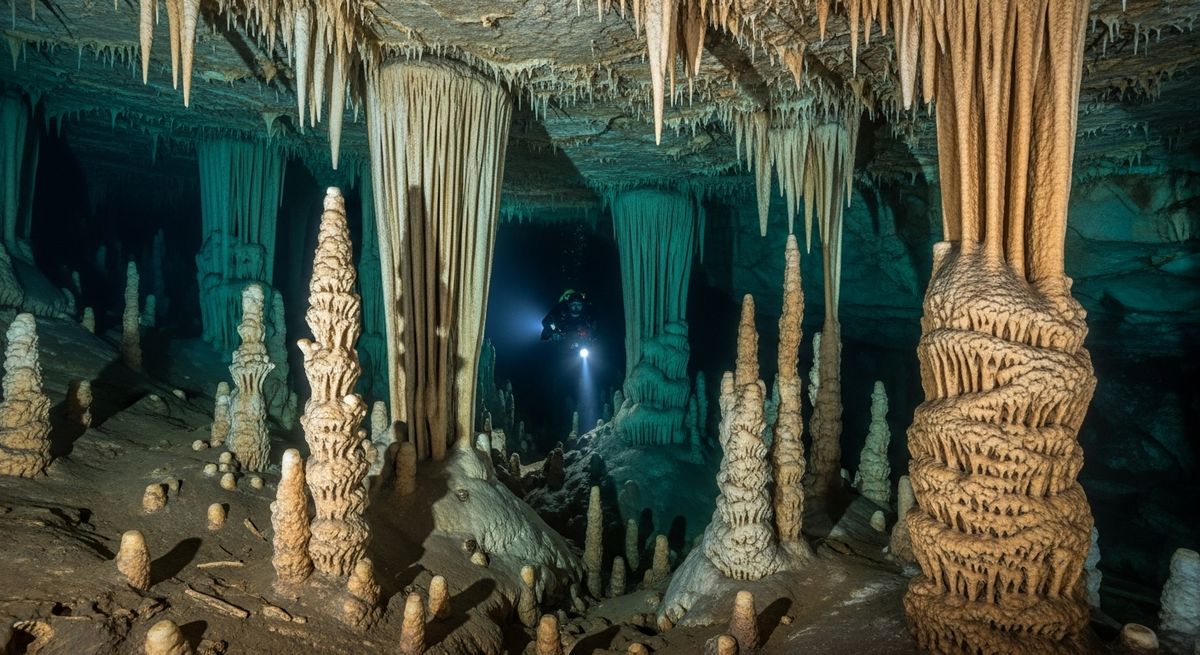
Overhead environment - never enter without proper cave/cavern training, redundant equipment, and a guideline.
Strong currents typical this month (avg 30 cm/s). Good buoyancy control essential.
Nearest Dive Centres to Milln Reef - The Whale
Dive shops near Milln Reef - The Whale
View all dive centres in Great Barrier ReefReviews for Milln Reef - The Whale
Conditions
Ocean conditions, forecast and tides for Milln Reef - The Whale
Milln Reef - The Whale Ocean Conditions
Monthly averages for Milln Reef - The Whale, sourced from Open-Meteo marine data + Copernicus Marine (EU) - nearest station: Open-Meteo marine grid (-15.65, 145.72) (5km away)
October Averages
Sea Temperature
26°C
80°F · Range: 24.5–29°C
Current Speed
30.07 cm/s
Direction: S (183.8°)
Chlorophyll-a
0.057 mg/m³
Very clear (oligotrophic)
Salinity
35.08 PSU
Based on 4 years of monitoring data · Data sources: Open-Meteo marine data + Copernicus Marine (EU)
Plan & book
Ways to dive Great Barrier Reef, from day trips to liveaboards.
Day trips & courses
via GetYourGuideGuided dives, courses and snorkel trips with instant booking.
Find dive trips in Great Barrier ReefPlaces to stay
via Booking.comHotels and dive resorts near Great Barrier Reef.
Search stays in Great Barrier ReefDive insurance
Most travel insurance excludes or limits scuba. Check what you need before you go.
Dive insurance explainedPartner links: we may earn a commission if you book, at no extra cost to you. How we make money
Where to Stay near Milln Reef - The Whale
Prices from Booking.com. We may earn a commission at no extra cost to you.