Saxon Reef Magic Wall
Protected Area
Michaelmas and Upolu Cays
Why dive here
With 154+ marine species recorded in the area - including hammerhead sharks, sea turtles, tiger sharks and napoleon wrasse - Saxon Reef Magic Wall offers some of Great Barrier Reef's richest reef diving. Water ranges 24-30°C, warmest January, February, March.
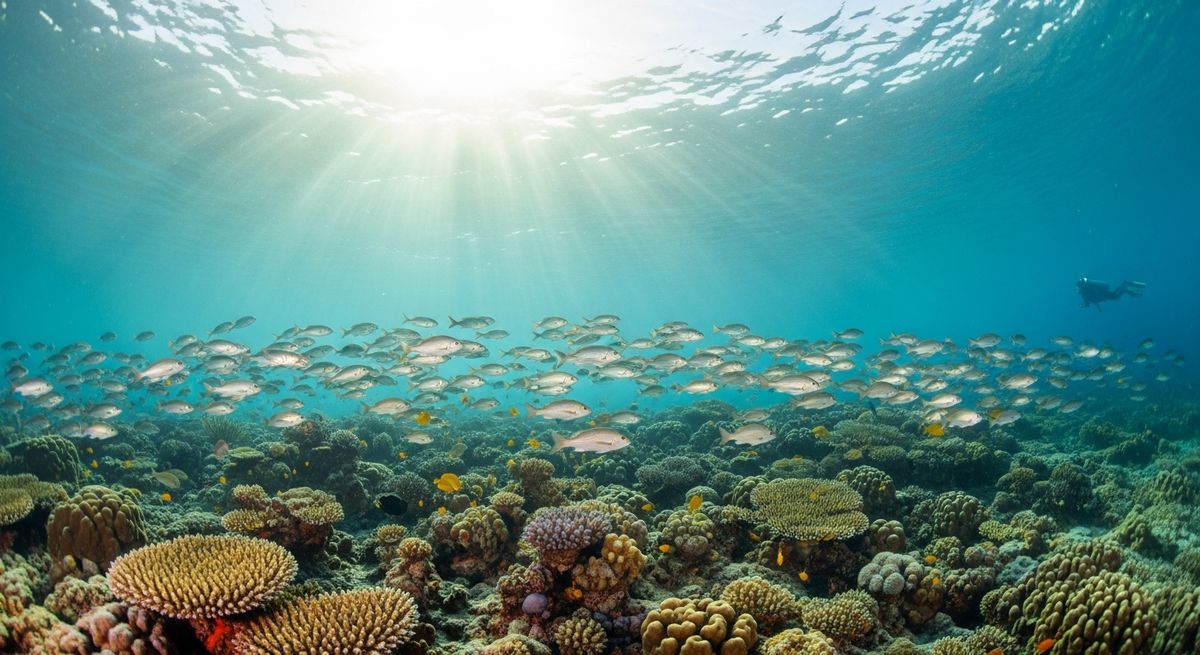
Magic Wall at Saxon Reef consistently delivers, especially for those who appreciate the smaller stuff. It’s a shallow wall, dipping to maybe 14 metres, which means plenty of bottom time to really soak it all in. We often find ourselves just hovering, peering into the countless little crevices and overhangs. That’s where the real magic is, with moray eels peeking out and octopus sometimes spotted squeezing into impossibly tight spaces. The corals here are healthy, especially the brain corals, and the fluorescence grass coral adds a really vibrant splash of colour. We’ve seen Clark's anemonefish in their blue anemones, and the triangular and lineated butterflyfish are always flitting about. Look closely for nudibranchs; they’re often tucked away. The sand patches below the wall are worth a quick scout too – we've spotted stingrays there and occasionally a white tip reef shark cruising by. It’s a site that suits everyone from newer divers to experienced photographers who want to take their time and explore every nook.
Safety Notes
Strong currents typical this month (avg 30 cm/s). Good buoyancy control essential.
Nearest Dive Centres to Saxon Reef Magic Wall
Dive shops near Saxon Reef Magic Wall
View all dive centres in Great Barrier ReefReviews for Saxon Reef Magic Wall
Conditions
Ocean conditions, forecast and tides for Saxon Reef Magic Wall
Saxon Reef Magic Wall Ocean Conditions
Monthly averages for Saxon Reef Magic Wall, sourced from Open-Meteo marine data + Copernicus Marine (EU) - nearest station: Open-Meteo marine grid (-15.65, 145.72) (5km away)
October Averages
Sea Temperature
26°C
80°F · Range: 24.5–29°C
Current Speed
30.07 cm/s
Direction: S (183.8°)
Chlorophyll-a
0.057 mg/m³
Very clear (oligotrophic)
Salinity
35.08 PSU
Based on 4 years of monitoring data · Data sources: Open-Meteo marine data + Copernicus Marine (EU)
Plan & book
Ways to dive Great Barrier Reef, from day trips to liveaboards.
Day trips & courses
via GetYourGuideGuided dives, courses and snorkel trips with instant booking.
Find dive trips in Great Barrier ReefPlaces to stay
via Booking.comHotels and dive resorts near Great Barrier Reef.
Search stays in Great Barrier ReefDive insurance
Most travel insurance excludes or limits scuba. Check what you need before you go.
Dive insurance explainedPartner links: we may earn a commission if you book, at no extra cost to you. How we make money
Where to Stay near Saxon Reef Magic Wall
Prices from Booking.com. We may earn a commission at no extra cost to you.