Second Valley
Protected Area
Encounter
Why dive here
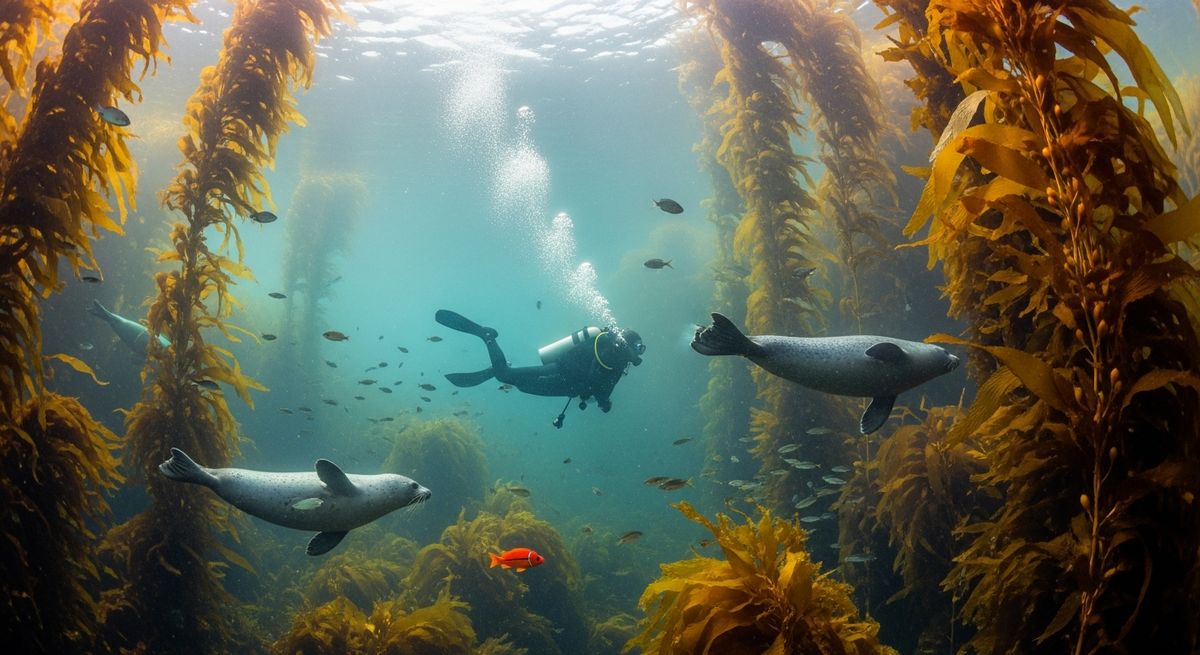
With 93+ marine species recorded in the area - including blue whales, dolphins, dwarf minke whales, great white sharks and hammerhead sharks - Second Valley offers some of South Australia's richest diving. Water ranges 14-21°C, warmest January, February, March.
Second Valley offers an easy shore dive, perfect for newer divers and those wanting a relaxed entry. You'll find jetties and pylons, which often attract schooling fish and small macro critters like nudibranchs and seahorses. The site is pretty sheltered, making it a good option when the weather kicks up elsewhere.
Reviews for Second Valley
Conditions
Ocean conditions, forecast and tides for Second Valley
Second Valley Ocean Conditions
Monthly averages for Second Valley, sourced from Open-Meteo marine data - nearest station: Open-Meteo marine grid (-35.15, 137.82) (12km away)
October Averages
Sea Temperature
17°C
62°F · Range: 14.8–18°C
Air Temperature
16°C
60°F
Wind Speed
6.66 m/s
12.9 knots
Atmospheric Pressure
1016.5 hPa
Based on 4 years of monitoring data · Data sources: Open-Meteo marine data
Plan & book
Ways to dive South Australia, from day trips to liveaboards.
Day trips & courses
via GetYourGuideGuided dives, courses and snorkel trips with instant booking.
Find dive trips in South AustraliaPlaces to stay
via Booking.comHotels and dive resorts near South Australia.
Search stays in South AustraliaDive insurance
Most travel insurance excludes or limits scuba. Check what you need before you go.
Dive insurance explainedPartner links: we may earn a commission if you book, at no extra cost to you. How we make money
Where to Stay near Second Valley
Prices from Booking.com. We may earn a commission at no extra cost to you.