Bait Reef
Protected Area
Woregore
Why dive here
With 199+ marine species recorded in the area - including blue sharks, bull sharks, dolphins, dugongs and great white sharks - Bait Reef offers some of Sydney & New South Wales's richest reef diving. Water ranges 18-23°C, warmest January, February, March.
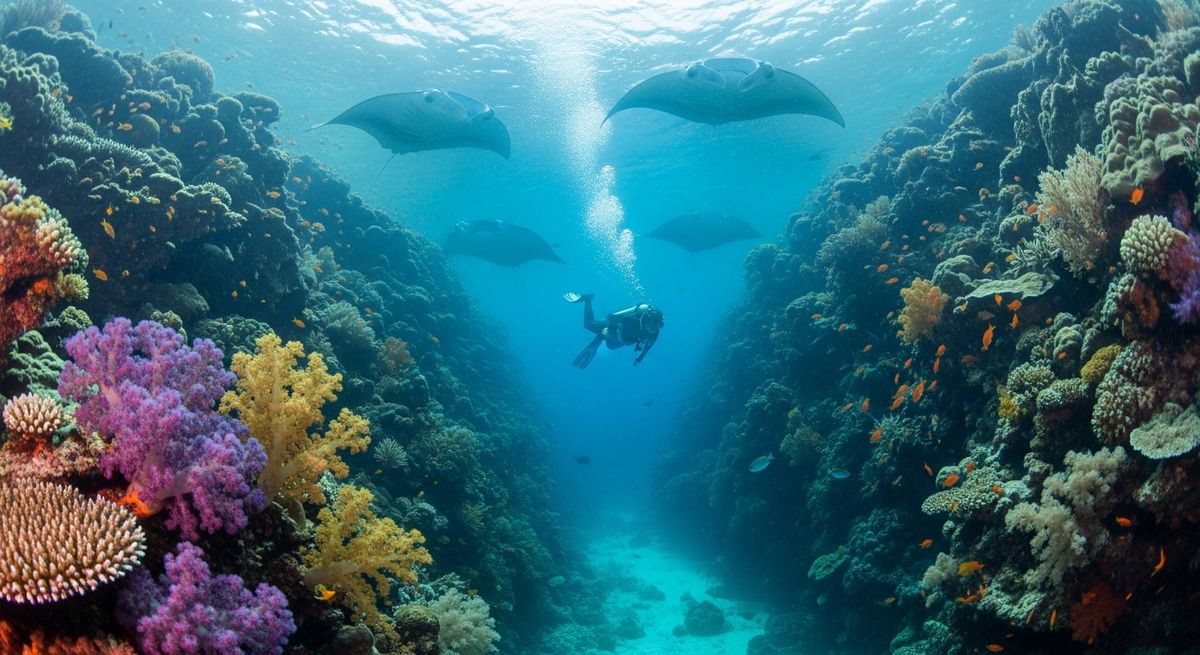
Bait Reef is one of those sites that quietly punches above its weight. Just a short boat ride from shore, we love it for its unusual mix of kelp forests and scattered coral bombs – a real Sydney mash-up. The sheer density of schooling fish here is what always gets us. You’ll fin through thick clouds of yellowtail bullseyes, often so numerous they filter the sunlight, creating a shimmering, silvery light show. It’s a deceptively large area, and we’ve definitely spent a dive or two working out exactly where we were going, but that’s part of the fun. You can easily spend an hour meandering through the kelp, spotting wobbegongs tucked into crevices, or watching tuna dart past in the blue. Keep an eye out for a passing bull shark, too. Visibility hovers around 13m on a good day, but it's the sheer biomass that makes Bait Reef a standout. It suits divers who appreciate a lively temperate reef and don’t mind a bit of exploration.
Reviews for Bait Reef
Conditions
Ocean conditions, forecast and tides for Bait Reef
Bait Reef Ocean Conditions
Monthly averages for Bait Reef, sourced from Open-Meteo marine data - nearest station: Open-Meteo marine grid (-33.18, 151.63) (7km away)
October Averages
Sea Temperature
20°C
67°F · Range: 18.5–20.7°C
Air Temperature
17°C
63°F
Wind Speed
5.95 m/s
11.6 knots
Atmospheric Pressure
1016.2 hPa
Based on 4 years of monitoring data · Data sources: Open-Meteo marine data
Plan & book
Ways to dive Sydney & New South Wales, from day trips to liveaboards.
Day trips & courses
via GetYourGuideGuided dives, courses and snorkel trips with instant booking.
Find dive trips in Sydney & New South WalesPlaces to stay
via Booking.comHotels and dive resorts near Sydney & New South Wales.
Search stays in Sydney & New South WalesDive insurance
Most travel insurance excludes or limits scuba. Check what you need before you go.
Dive insurance explainedPartner links: we may earn a commission if you book, at no extra cost to you. How we make money
Where to Stay near Bait Reef
Prices from Booking.com. We may earn a commission at no extra cost to you.