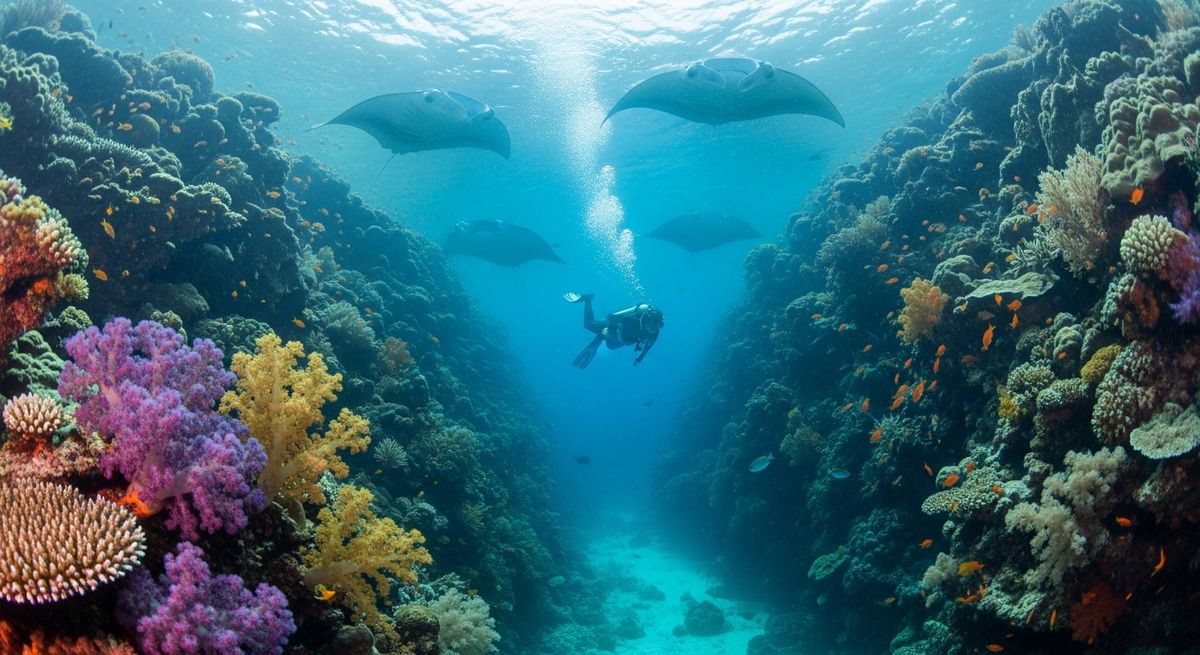
Rip Bank
Protected Area
Port Phillip Heads
Why dive here
With 129+ marine species recorded in the area - including blue sharks, blue whales, dolphins, dwarf minke whales and great white sharks - Rip Bank offers some of Victoria's richest reef diving. Water ranges 13-20°C, warmest January, February, March.
Rip Bank is an impressive underwater cliff just outside the south-east side of Port Phillip Heads. This site should only be dived at slack water at the end of the flood tide, and only in calm conditions, as the current travels along the wall and can become extremely fast. Maximum depth: 28m. Average visibility: 10m. Southern Rock Lobsters are common along the steep wall with overhangs and Blue Devils. Divers often see harmless Sharpnose Sevengill Sharks cruising 10-15m off the wall
Typical Rip Bank Dive Profile
Illustrative profile based on site depth and type. Actual dive profiles vary - always follow your dive computer and training.
Safety Notes
Cold water this month (avg 15°C). Drysuit or thick wetsuit (7mm+) recommended.
Always perform a 3-minute safety stop at 5m before surfacing.
Reviews for Rip Bank
Conditions
Ocean conditions, forecast and tides for Rip Bank
Rip Bank Ocean Conditions
Monthly averages for Rip Bank, sourced from Open-Meteo marine data - nearest station: Open-Meteo marine grid (-38.3, 144.7) (0km away)
October Averages
Sea Temperature
15°C
58°F · Range: 13.4–16.3°C
Based on 4 years of monitoring data · Data sources: Open-Meteo marine data
Plan & book
Ways to dive Victoria, from day trips to liveaboards.
Day trips & courses
via GetYourGuideGuided dives, courses and snorkel trips with instant booking.
Find dive trips in VictoriaPlaces to stay
via Booking.comHotels and dive resorts near Victoria.
Search stays in VictoriaDive insurance
Most travel insurance excludes or limits scuba. Check what you need before you go.
Dive insurance explainedPartner links: we may earn a commission if you book, at no extra cost to you. How we make money
Where to Stay near Rip Bank
Prices from Booking.com. We may earn a commission at no extra cost to you.