Elephant Point
Protected Area
Tawharanui
Why dive here
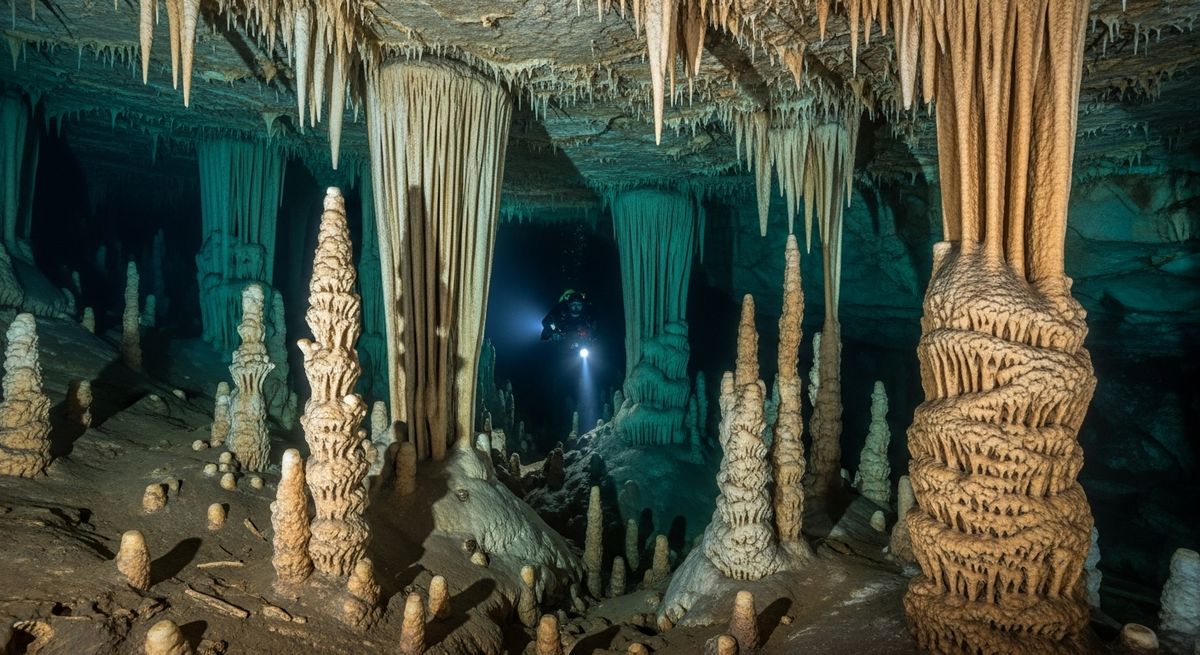
With 72+ marine species recorded in the area - including blue sharks, dolphins, hammerhead sharks, humpback whales and seahorses - Elephant Point offers some of Goat Island & Hauraki Gulf's richest cave diving. Water ranges 15-21°C, warmest January, February, March.
Elephant Point. Now this site, just a short boat ride from Sandspit, really delivers when the conditions are right. We're talking calm seas, because an easterly swell or southerly wind will make it a bumpy experience, and the current can pick up away from the rocks. But get it on a good day, and you drop onto a sprawling kelp reef that just feels *alive*. Our favourite part has to be finning through the dappled light of the kelp forest. It’s a different kind of beauty than a tropical reef, more muted and mysterious. Look closely amongst the fronds and you’ll spot those vibrant purple sunset clams, sometimes a shy Southern reef squid pulsing with colour, or a crafty banded morwong darting through. Keep an eye on the rock faces, especially the shaded sections, for bursts of colour from sponges and those White-striped Anemones. While not a crayfish bonanza, a few decent-sized Red Rock Lobsters are often lurking in crevices if you have a good eye. It's a fantastic spot for divers who appreciate the subtler beauty of a temperate reef and want to spend time exploring the nooks and crannies, perhaps spotting a Crested weedfish camouflaged against the rock.
Safety Notes
Overhead environment - never enter without proper cave/cavern training, redundant equipment, and a guideline.
Nearest Dive Centres to Elephant Point
Dive shops near Elephant Point
View all dive centres in Goat Island & Hauraki GulfReviews for Elephant Point
Conditions
Ocean conditions, forecast and tides for Elephant Point
Elephant Point Ocean Conditions
Monthly averages for Elephant Point, sourced from Open-Meteo marine data + Copernicus Marine (EU) - nearest station: Open-Meteo marine grid (-36.93, 175.86) (22km away)
October Averages
Sea Temperature
16°C
60°F · Range: 14.5–16.9°C
Current Speed
1.41 cm/s
Direction: SE (135°)
Chlorophyll-a
0.497 mg/m³
Moderate productivity
Salinity
34.91 PSU
Based on 4 years of monitoring data · Data sources: Open-Meteo marine data + Copernicus Marine (EU)
Plan & book
Ways to dive Goat Island & Hauraki Gulf, from day trips to liveaboards.
Day trips & courses
via GetYourGuideGuided dives, courses and snorkel trips with instant booking.
Find dive trips in Goat Island & Hauraki GulfPlaces to stay
via Booking.comHotels and dive resorts near Goat Island & Hauraki Gulf.
Search stays in Goat Island & Hauraki GulfDive insurance
Most travel insurance excludes or limits scuba. Check what you need before you go.
Dive insurance explainedPartner links: we may earn a commission if you book, at no extra cost to you. How we make money
Where to Stay near Elephant Point
Prices from Booking.com. We may earn a commission at no extra cost to you.