Fairchild Reef
Protected Area
Tawharanui
Why dive here
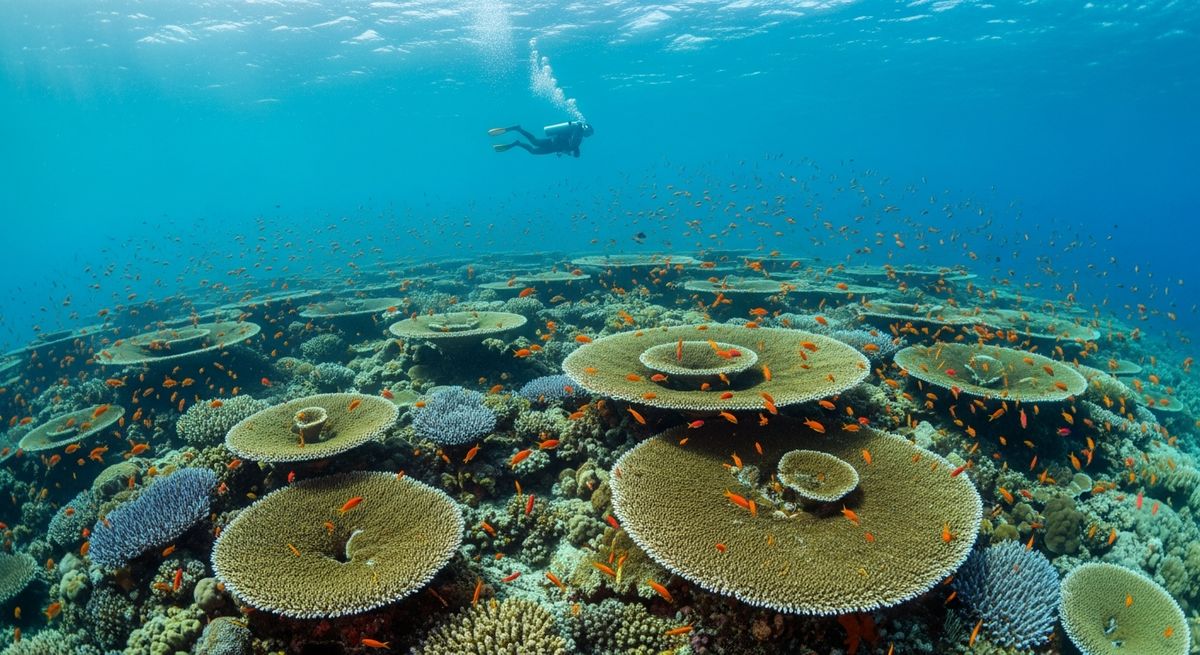
With 72+ marine species recorded in the area - including blue sharks, dolphins, hammerhead sharks, humpback whales and seahorses - Fairchild Reef offers some of Goat Island & Hauraki Gulf's richest reef diving. Water ranges 15-21°C, warmest January, February, March.
Fairchild Reef, despite its average visibility, offers something genuinely special for divers willing to look a little closer. We’ve had some of our most rewarding New Zealand dives here, particularly when the wind drops and the easterly swell stays away. This site is a sprawling kelp forest, thick and green, with rocky gutters and holes carving through it. You're constantly pushing through the fronds, revealing surprises like big nests of crayfish tucked into crevices. We love dropping in and just letting the slight current push us along, scanning for those elusive dory or the distinctive shape of a smooth skate on the sand. Visibility hovers around 6 metres on a good day, but don't let that deter you; it forces you to slow down, to really examine the reef. The juvenile snapper and parore darting through the kelp are a constant, and if you're lucky, you might even spot a kingfish cruising past in summer. Just keep an ear out for the boat traffic, especially in peak season. This is a site for the patient observer, someone who enjoys a more intimate dive, seeking out the small details rather than grand vistas.
Nearest Dive Centres to Fairchild Reef
Dive shops near Fairchild Reef
View all dive centres in Goat Island & Hauraki GulfReviews for Fairchild Reef
Conditions
Ocean conditions, forecast and tides for Fairchild Reef
Fairchild Reef Ocean Conditions
Monthly averages for Fairchild Reef, sourced from Open-Meteo marine data + Copernicus Marine (EU) - nearest station: Open-Meteo marine grid (-36.93, 175.86) (22km away)
October Averages
Sea Temperature
16°C
60°F · Range: 14.5–16.9°C
Current Speed
1.41 cm/s
Direction: SE (135°)
Chlorophyll-a
0.497 mg/m³
Moderate productivity
Salinity
34.91 PSU
Based on 4 years of monitoring data · Data sources: Open-Meteo marine data + Copernicus Marine (EU)
Plan & book
Ways to dive Goat Island & Hauraki Gulf, from day trips to liveaboards.
Day trips & courses
via GetYourGuideGuided dives, courses and snorkel trips with instant booking.
Find dive trips in Goat Island & Hauraki GulfPlaces to stay
via Booking.comHotels and dive resorts near Goat Island & Hauraki Gulf.
Search stays in Goat Island & Hauraki GulfDive insurance
Most travel insurance excludes or limits scuba. Check what you need before you go.
Dive insurance explainedPartner links: we may earn a commission if you book, at no extra cost to you. How we make money
Where to Stay near Fairchild Reef
Prices from Booking.com. We may earn a commission at no extra cost to you.