Little Ohinau
Protected Area
Rabbit Island
Why dive here
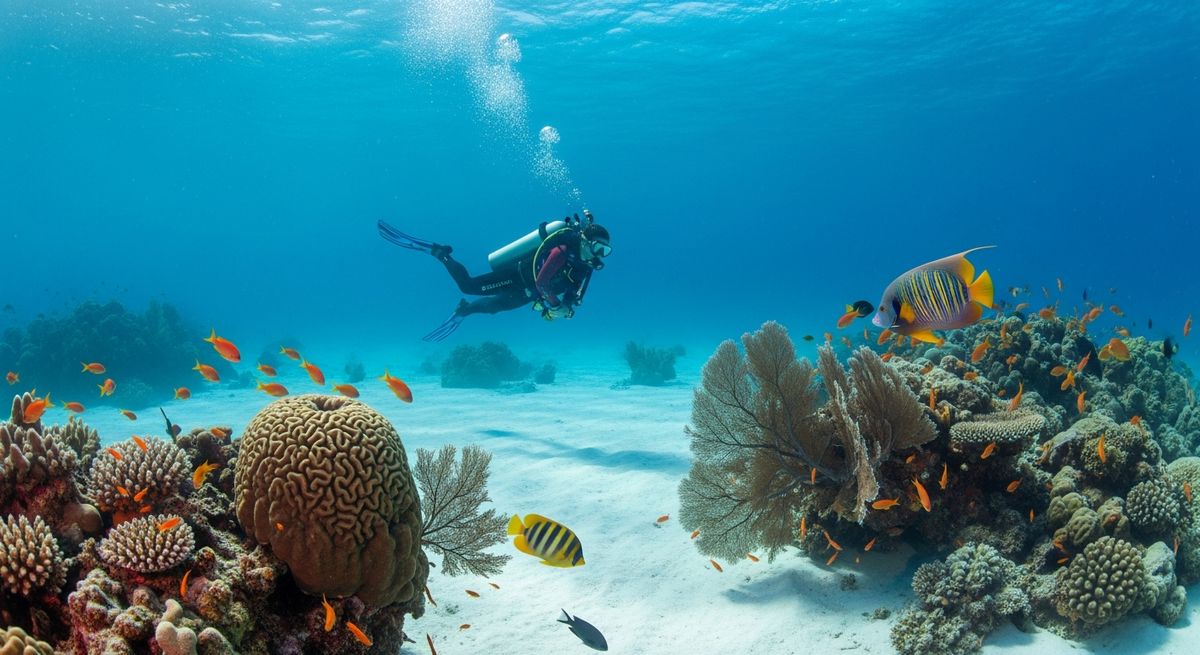
With 72+ marine species recorded in the area - including blue sharks, dolphins, hammerhead sharks, humpback whales and seahorses - Little Ohinau offers some of Goat Island & Hauraki Gulf's richest diving. Water ranges 15-21°C, warmest January, February, March.
Little Ohinau, especially around Turtle Cove, really shines if you catch it right. We're talking about a steep reef here, dropping to around 15 metres, with this fantastic weed edge that just teems with activity. The currents can get quite strong on the edges, so it’s definitely one for the more experienced among us. The highlight for us is often the smaller stuff nestled in the reef – the Blue Dot Triplefins are everywhere, flashing those iridescent spots. And while you’re scanning for them, keep an eye out for the Australian Spiny Pipehorse, they blend in incredibly well. We’ve found that the early morning often brings the best visibility, before any boat traffic stirs things up. If you’re lucky, you might even spot a Red Rock Lobster tucked into a crevice, their antennae waving. It’s a site that rewards slow exploration and a keen eye.
Nearest Dive Centres to Little Ohinau
Dive shops near Little Ohinau
Salt Aotearoa
Cathedral Cove Dive Ltd
Dive Zone Whitianga
Reviews for Little Ohinau
Conditions
Ocean conditions, forecast and tides for Little Ohinau
Little Ohinau Ocean Conditions
Monthly averages for Little Ohinau, sourced from Open-Meteo marine data + Copernicus Marine (EU) - nearest station: Open-Meteo marine grid (-36.93, 175.86) (22km away)
October Averages
Sea Temperature
16°C
60°F · Range: 14.5–16.9°C
Current Speed
1.41 cm/s
Direction: SE (135°)
Chlorophyll-a
0.497 mg/m³
Moderate productivity
Salinity
34.91 PSU
Based on 4 years of monitoring data · Data sources: Open-Meteo marine data + Copernicus Marine (EU)
Plan & book
Ways to dive Goat Island & Hauraki Gulf, from day trips to liveaboards.
Day trips & courses
via GetYourGuideGuided dives, courses and snorkel trips with instant booking.
Find dive trips in Goat Island & Hauraki GulfPlaces to stay
via Booking.comHotels and dive resorts near Goat Island & Hauraki Gulf.
Search stays in Goat Island & Hauraki GulfDive insurance
Most travel insurance excludes or limits scuba. Check what you need before you go.
Dive insurance explainedPartner links: we may earn a commission if you book, at no extra cost to you. How we make money
Where to Stay near Little Ohinau
Prices from Booking.com. We may earn a commission at no extra cost to you.