Rena (Wreck)
Protected Area
Tuhua (Mayor Island)
Why dive here
With 72+ marine species recorded in the area - including blue sharks, dolphins, hammerhead sharks, humpback whales and seahorses - Rena (Wreck) offers some of Goat Island & Hauraki Gulf's richest reef diving. Water ranges 15-21°C, warmest January, February, March.
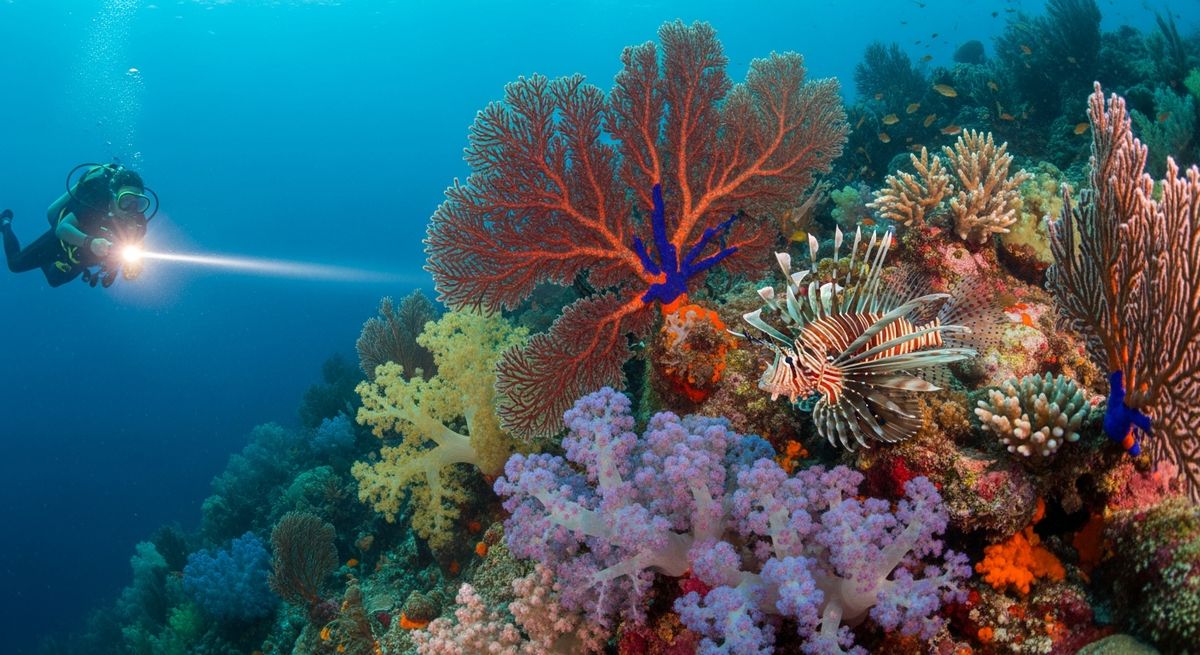
The Rena wreck off the coast of Tauranga is less a single dive and more a collection of scattered pieces, a poignant reminder of its dramatic grounding. We’ve found the stern section to be the most interesting, sitting relatively upright in around 22 metres. You’ll see how the ocean has already started to claim it, with gorgonian fans and colourful sponges taking hold on the metal. Schools of snapper and trevally often swirl around the superstructure, while bronze whalers sometimes cruise past in the blue. Our favourite time to dive here is on a slack tide, otherwise, the currents can make it a real workout. Visibility averages around 10 metres, so it’s not always gin-clear, but when it’s good, the sheer scale of the wreck pieces is impressive. Exploring the various debris fields gives you a real sense of the ship’s destruction. It’s a dive for those who appreciate history and how quickly marine life can adapt, rather than for exploring intact interiors.
Nearest Dive Centres to Rena (Wreck)
Dive shops near Rena (Wreck)
Waitā
Dive Zone Tauranga
Toi Ohomai Institute of Technology
Reviews for Rena (Wreck)
Conditions
Ocean conditions, forecast and tides for Rena (Wreck)
Rena (Wreck) Ocean Conditions
Monthly averages for Rena (Wreck), sourced from Open-Meteo marine data + Copernicus Marine (EU) - nearest station: Open-Meteo marine grid (-36.93, 175.86) (22km away)
October Averages
Sea Temperature
16°C
60°F · Range: 14.5–16.9°C
Current Speed
1.41 cm/s
Direction: SE (135°)
Chlorophyll-a
0.497 mg/m³
Moderate productivity
Salinity
34.91 PSU
Based on 4 years of monitoring data · Data sources: Open-Meteo marine data + Copernicus Marine (EU)
Plan & book
Ways to dive Goat Island & Hauraki Gulf, from day trips to liveaboards.
Day trips & courses
via GetYourGuideGuided dives, courses and snorkel trips with instant booking.
Find dive trips in Goat Island & Hauraki GulfPlaces to stay
via Booking.comHotels and dive resorts near Goat Island & Hauraki Gulf.
Search stays in Goat Island & Hauraki GulfDive insurance
Most travel insurance excludes or limits scuba. Check what you need before you go.
Dive insurance explainedPartner links: we may earn a commission if you book, at no extra cost to you. How we make money
Where to Stay near Rena (Wreck)
Prices from Booking.com. We may earn a commission at no extra cost to you.